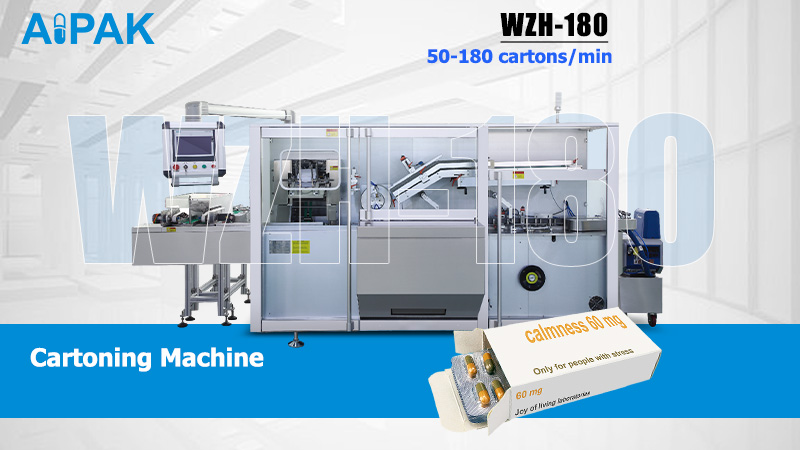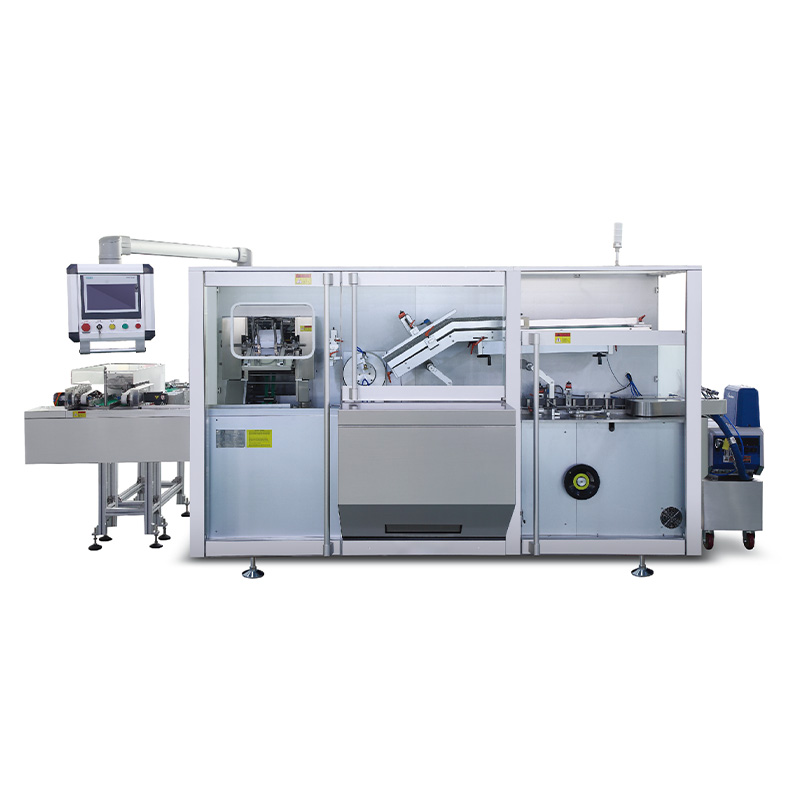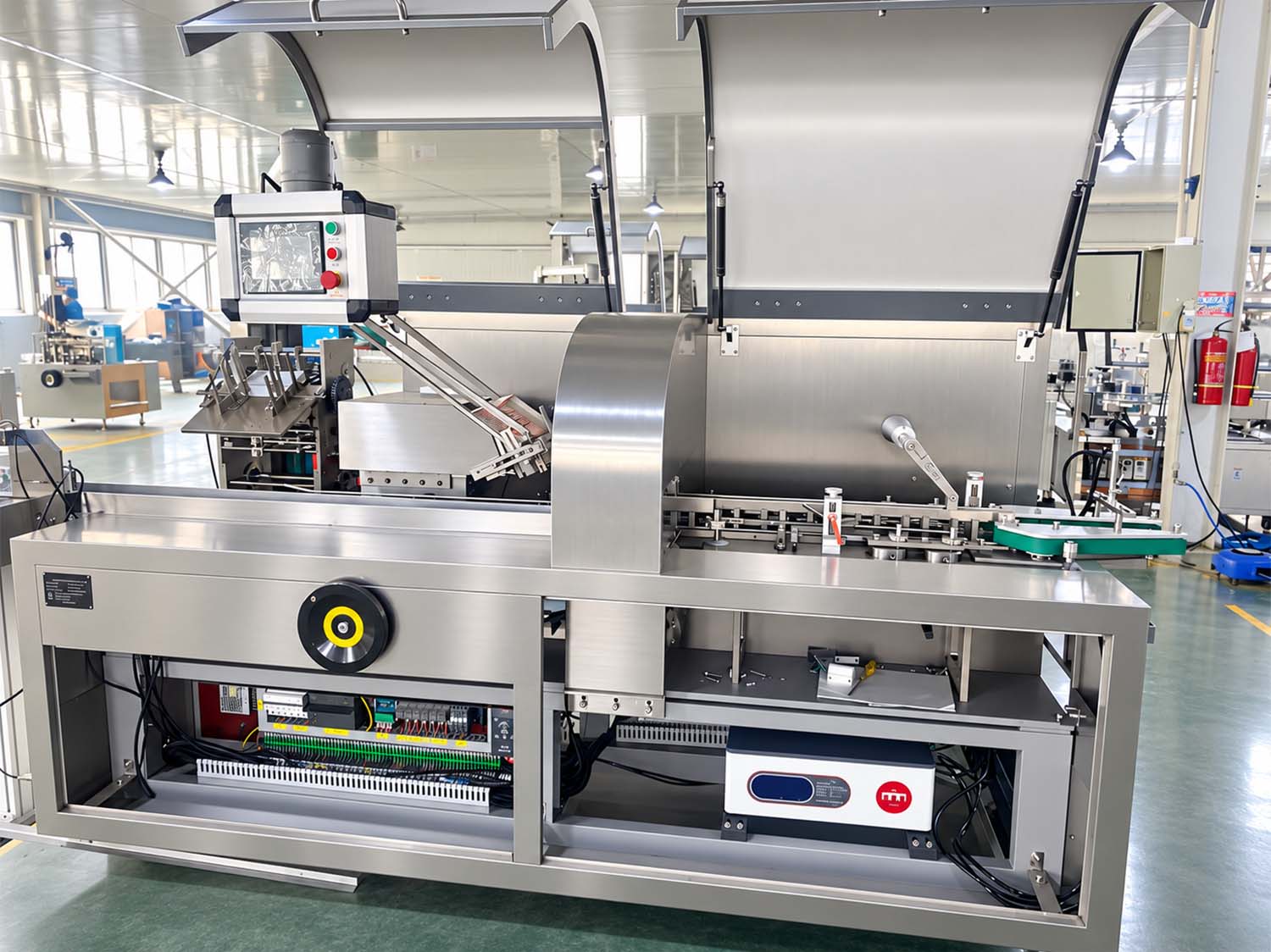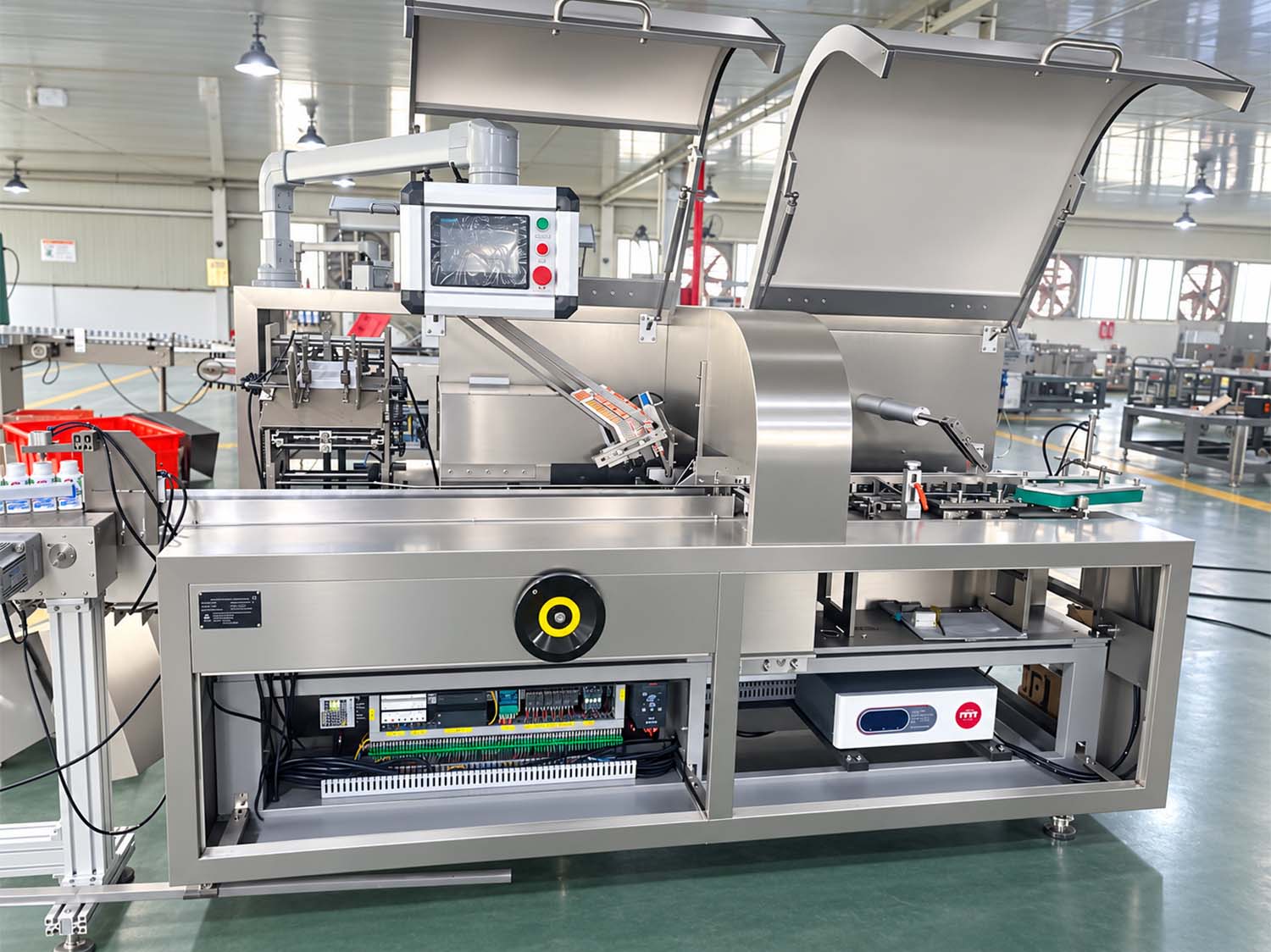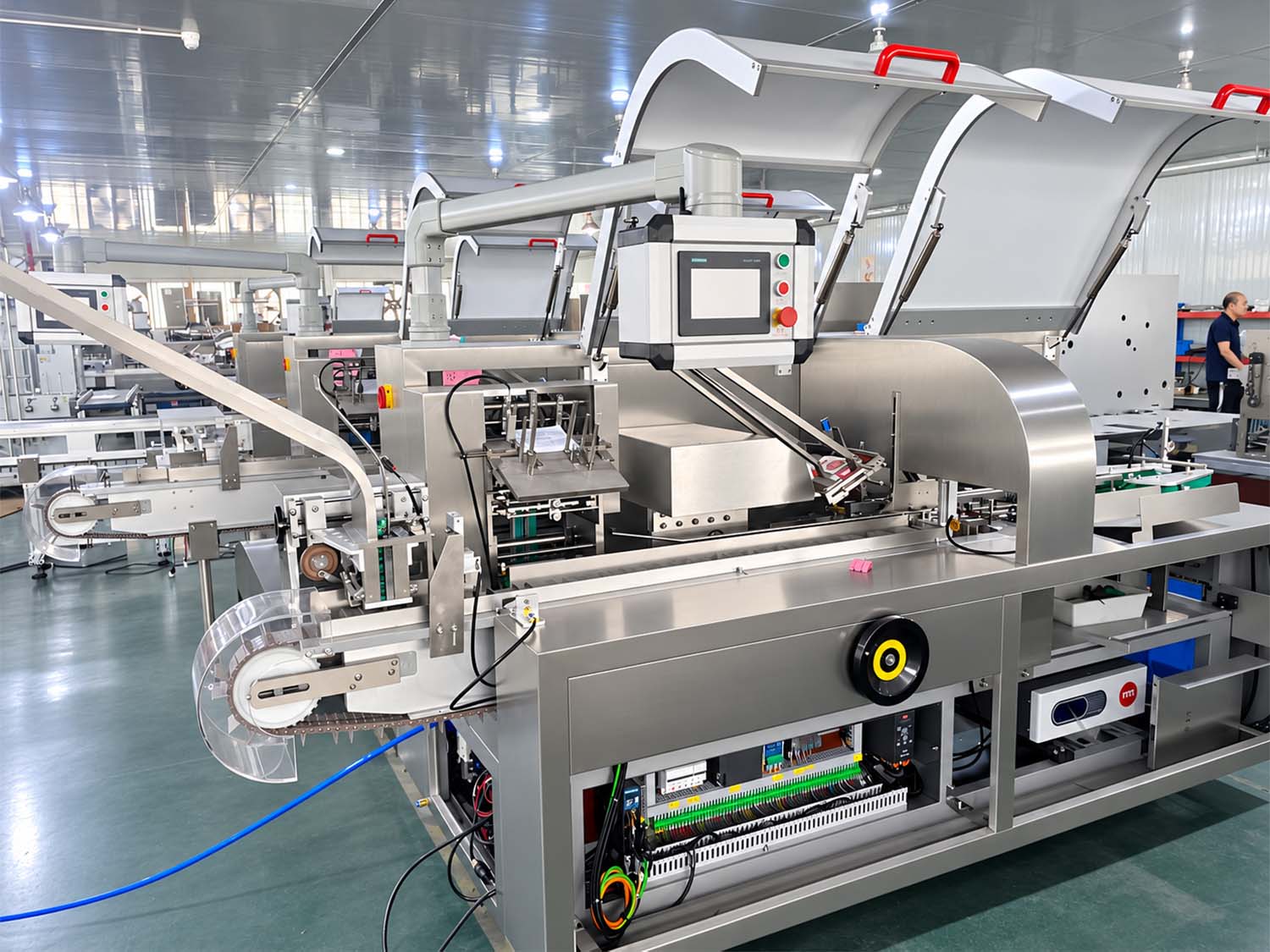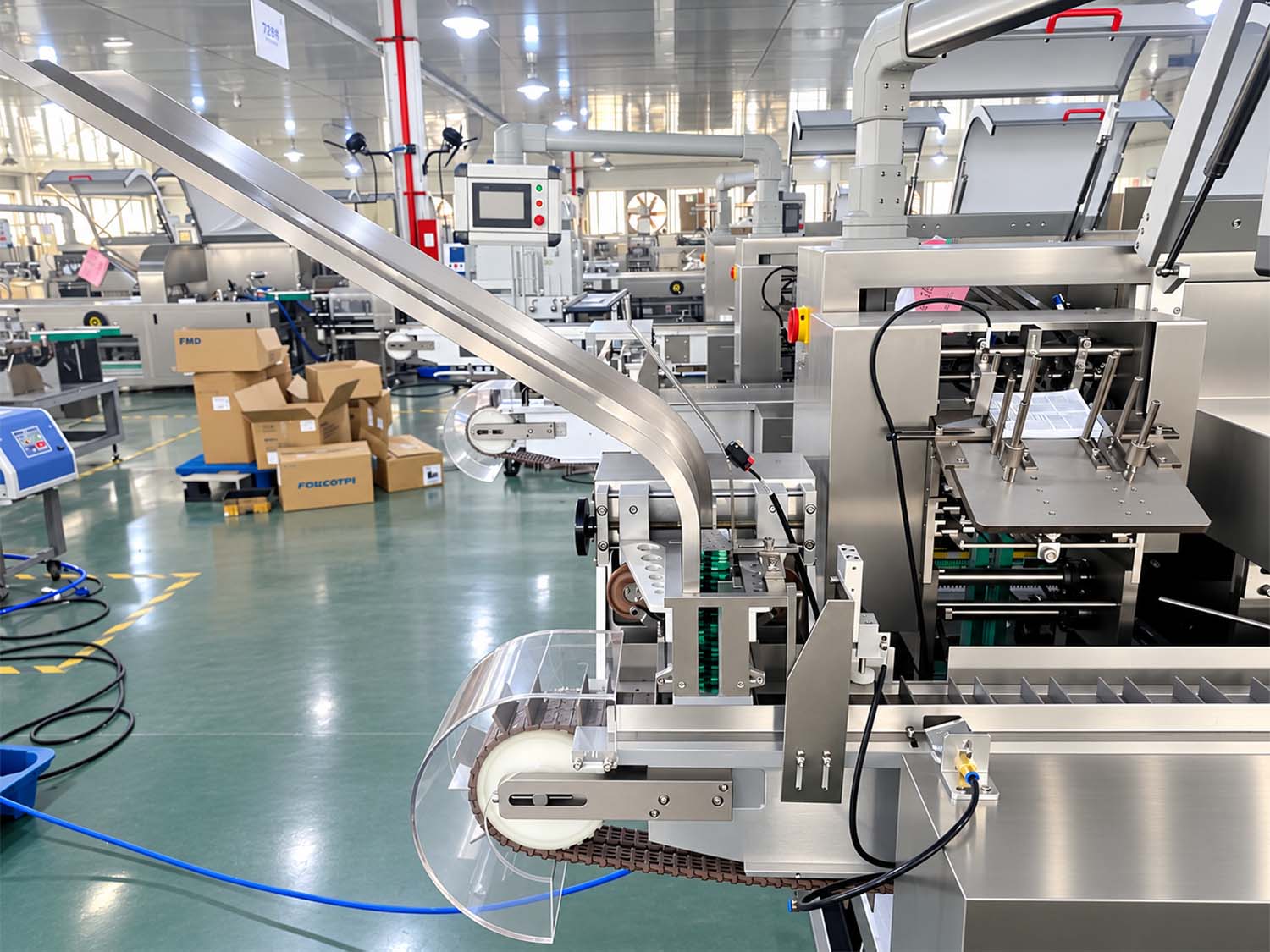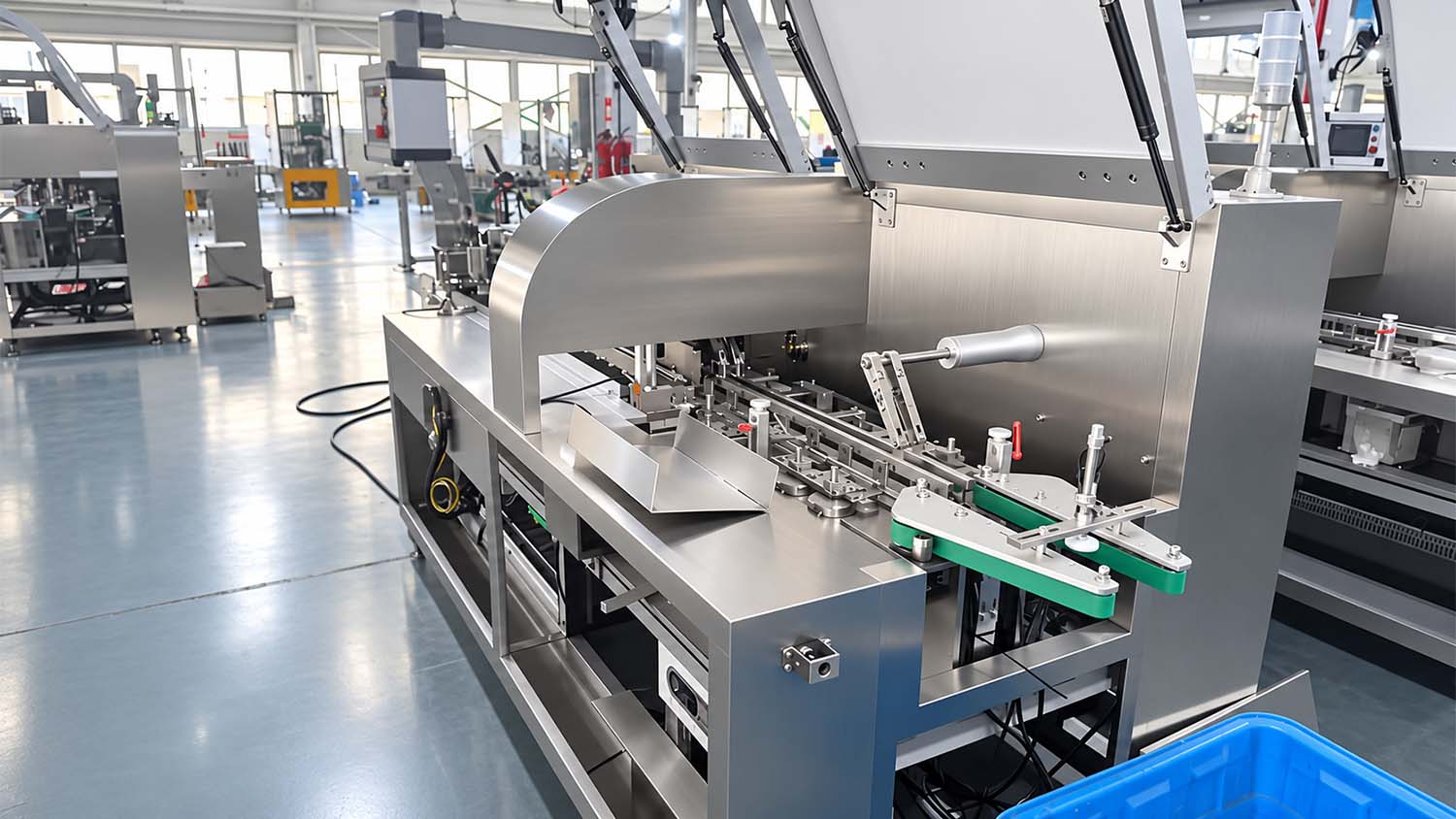
WZH-180 Automatic Continuous Cartoning Machine
180 Cartons a Minute, for Lines That Run More Than One Product
The WZH-180 runs 180 cartons a minute and handles more product formats than any machine in our range — blisters, tubes, trays, bottles and sachets. If your plant runs several product types through one cartoner, this is where the range starts to be general-purpose.
1. Speed: 180 cartons per minute
2. Formats: blisters, tubes, trays, ALU strips, bottles, sachets
3. Leaflet: unfolded up to 300 × 180 mm, wider than the 120 series
Is this the right machine for you?
✓ Yes, if…
- You run more than one product format through the same cartoner
- You need up to 180 cartons a minute
- Your unfolded leaflet is larger than 250 mm — this is where the range steps up to 300
- You have three-phase power at this station
✕ Buy something else if…
- Your carton is longer than 165 mm → the 120 series and the 260 and above take 180 mm. This model is the one exception in the range
- You run one format only and under 120 a minute → the 120 series version for your product costs less
- You need more than 180 a minute → see the WZH-260
Multi-Position Servo Tracking
The pushers travel with the carton and slide the product in while both are moving, so nothing is pushed against a stopped carton and nothing jams.
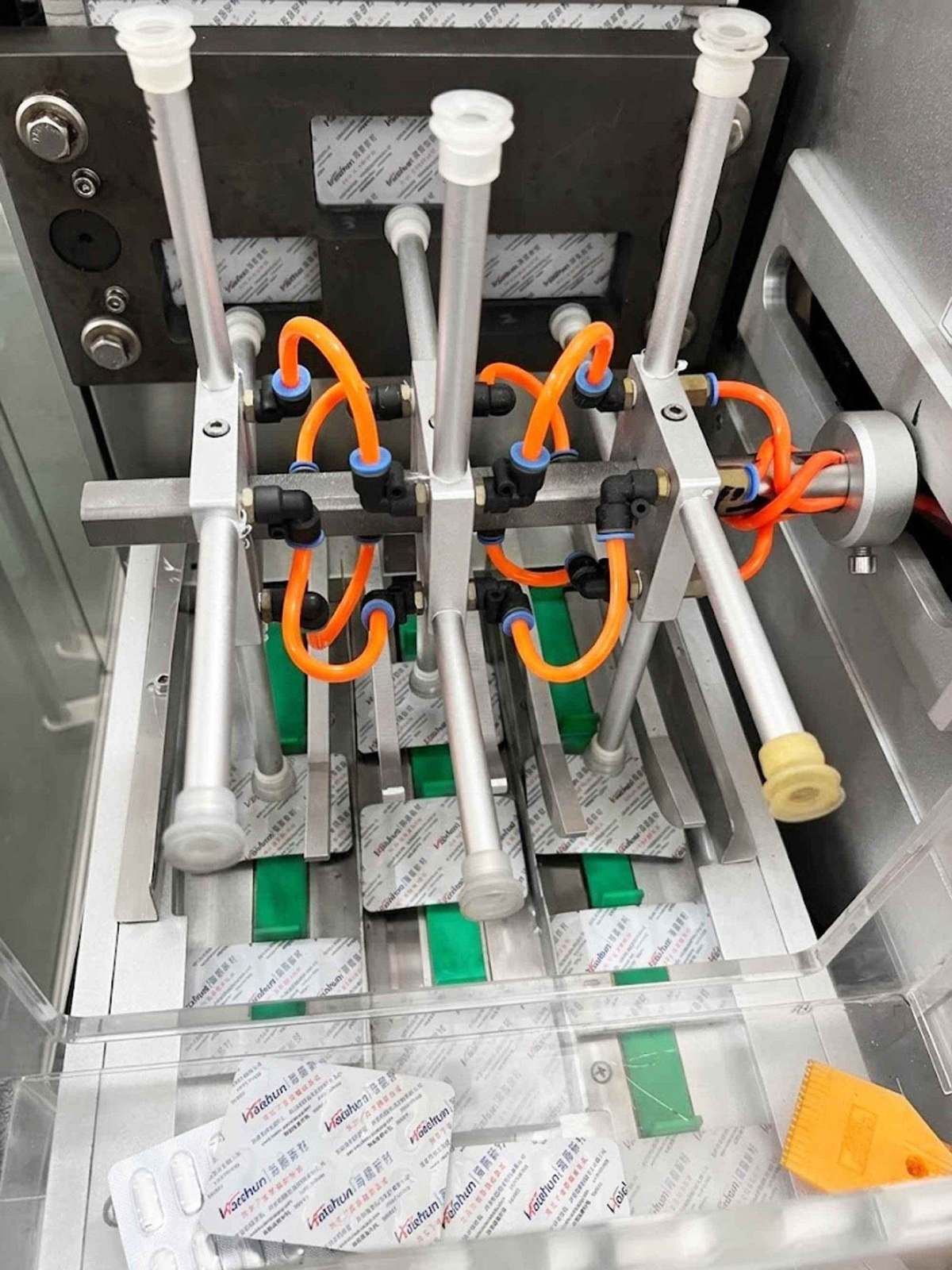
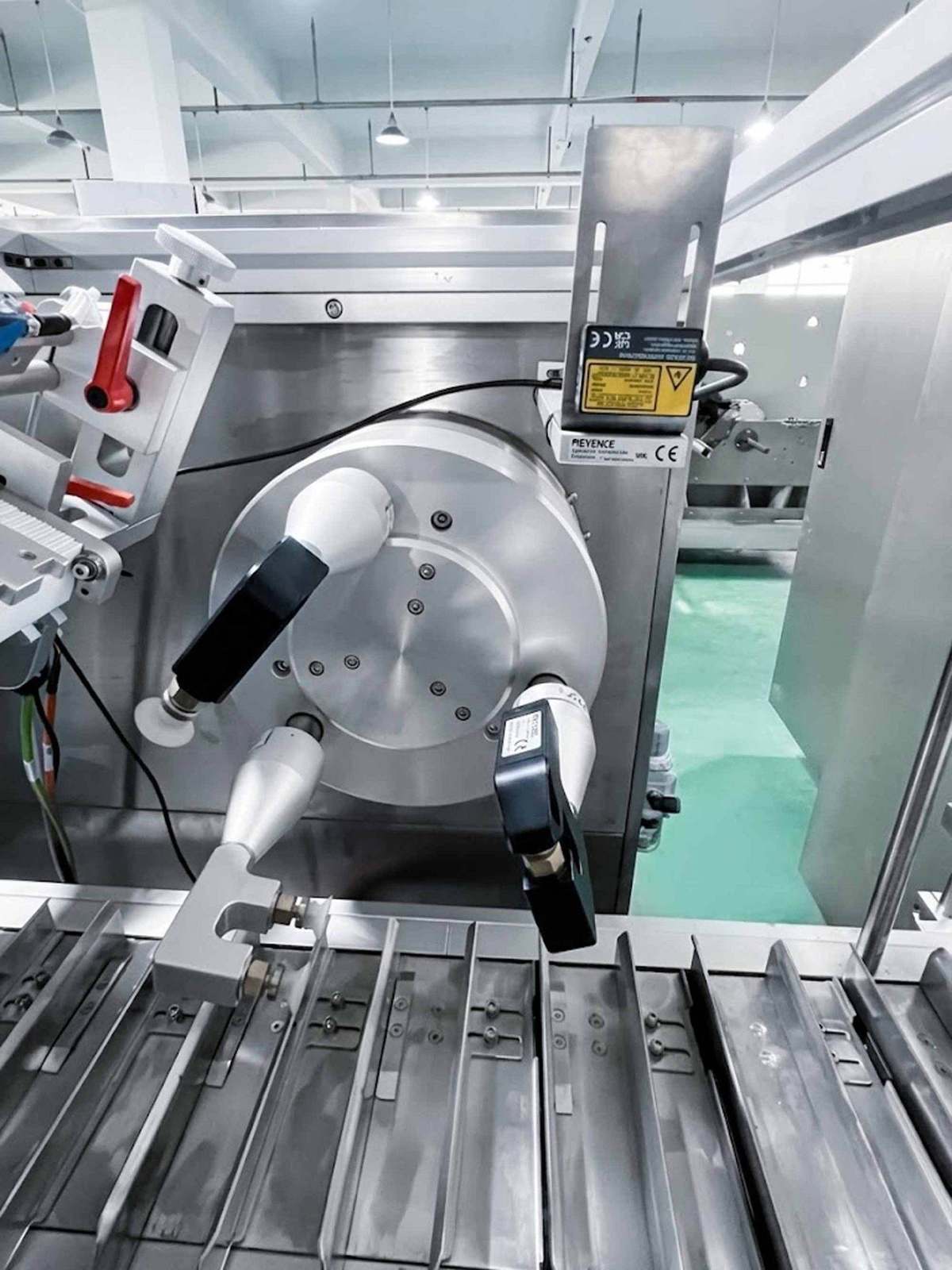
Double-station planetary opening
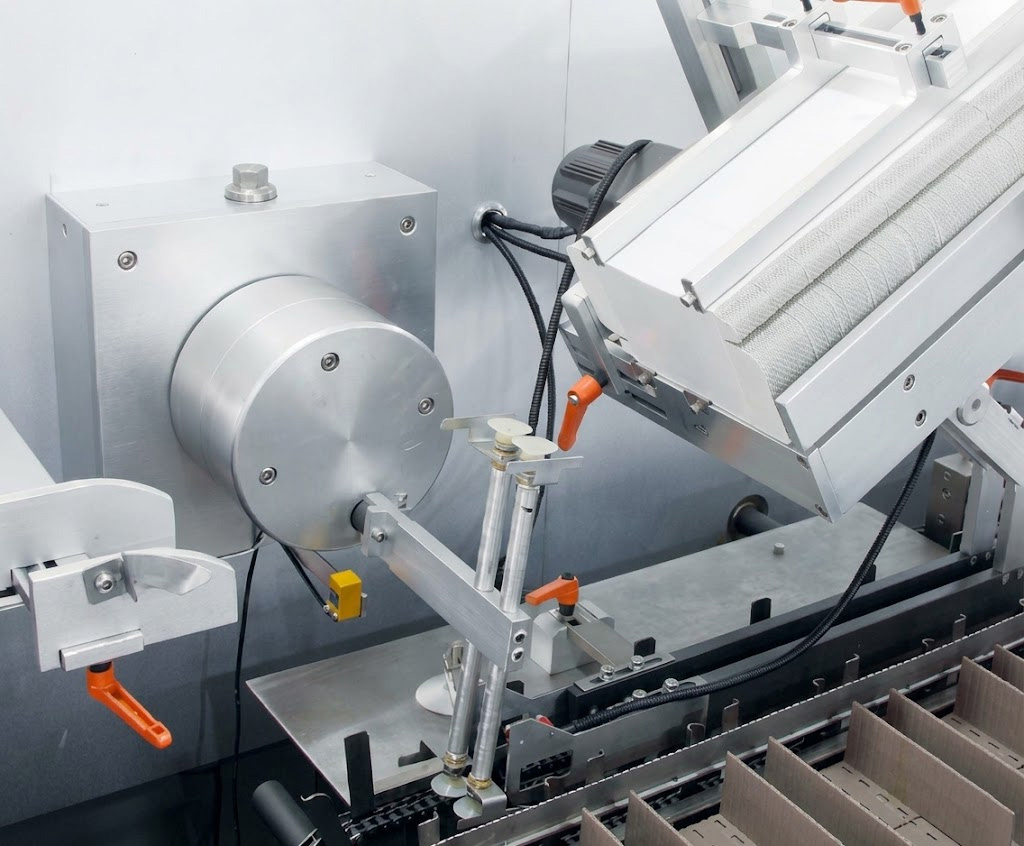
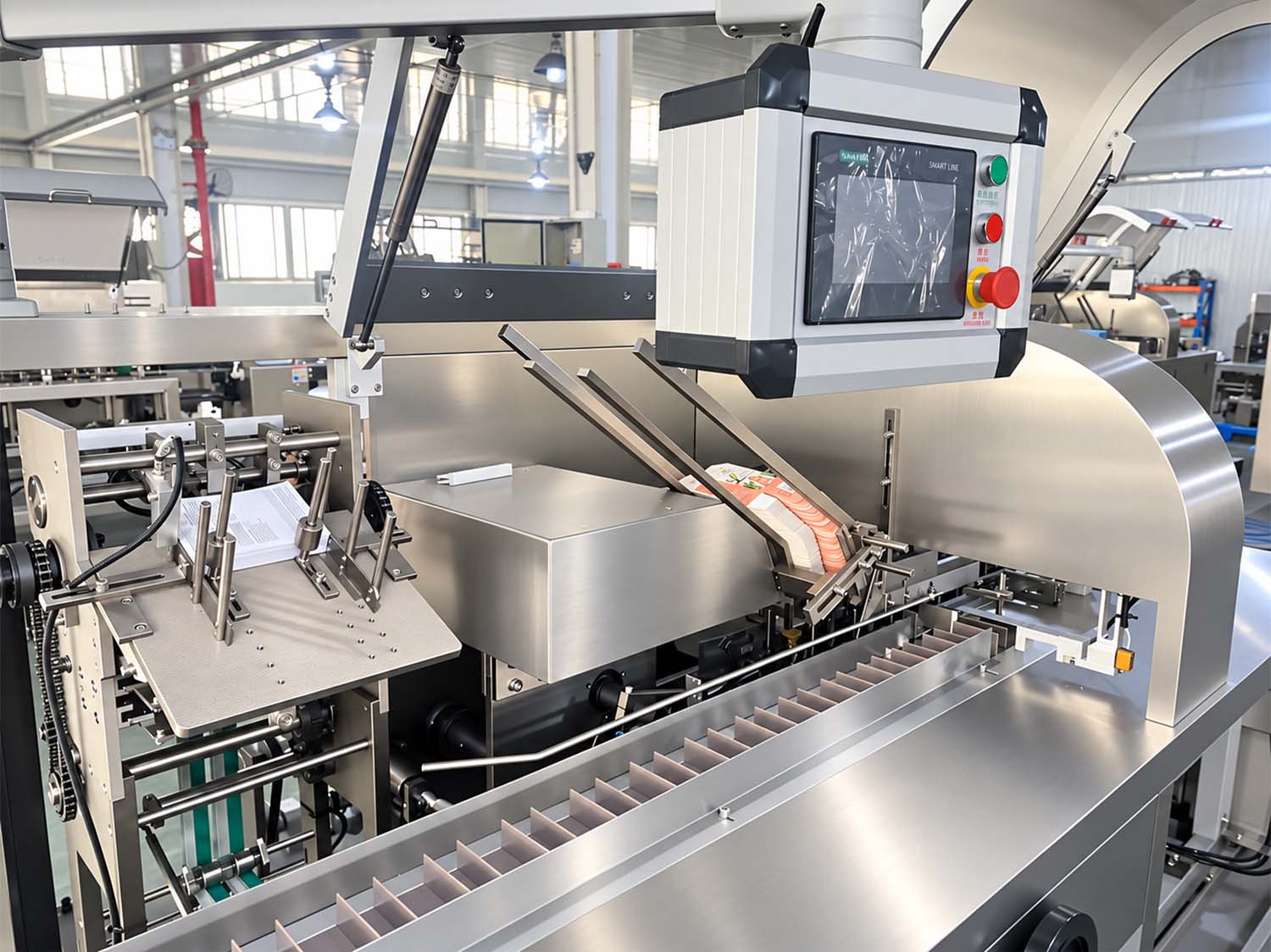
The carton is drawn from the magazine and opened by a double-station planetary rotation mechanism with a pre-forming device, so the score lines break and the carton arrives square.
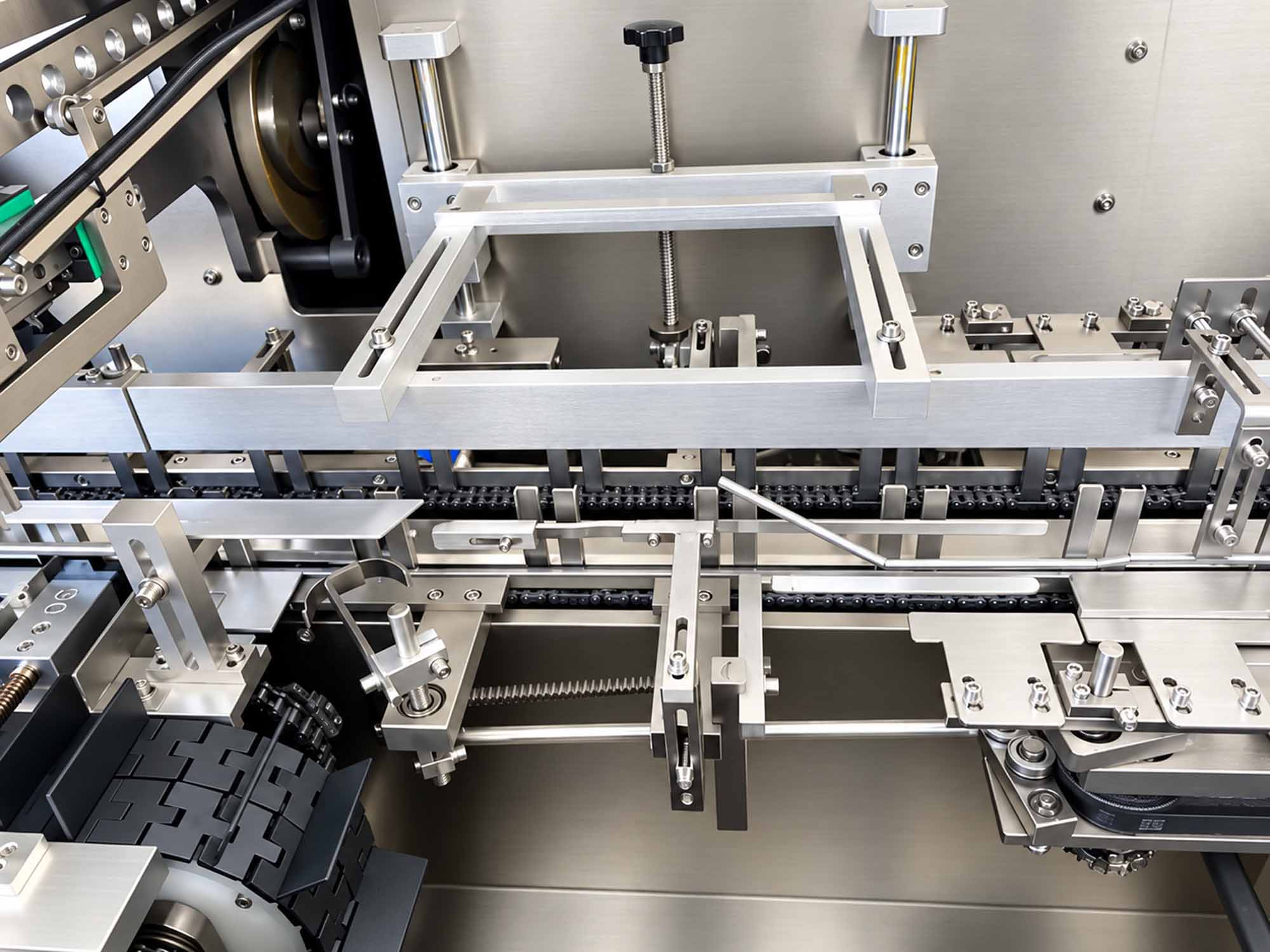
Continuous Motion
Cartons and pushers keep moving instead of starting and stopping, so the machine runs smoother and quieter at 180 a minute.
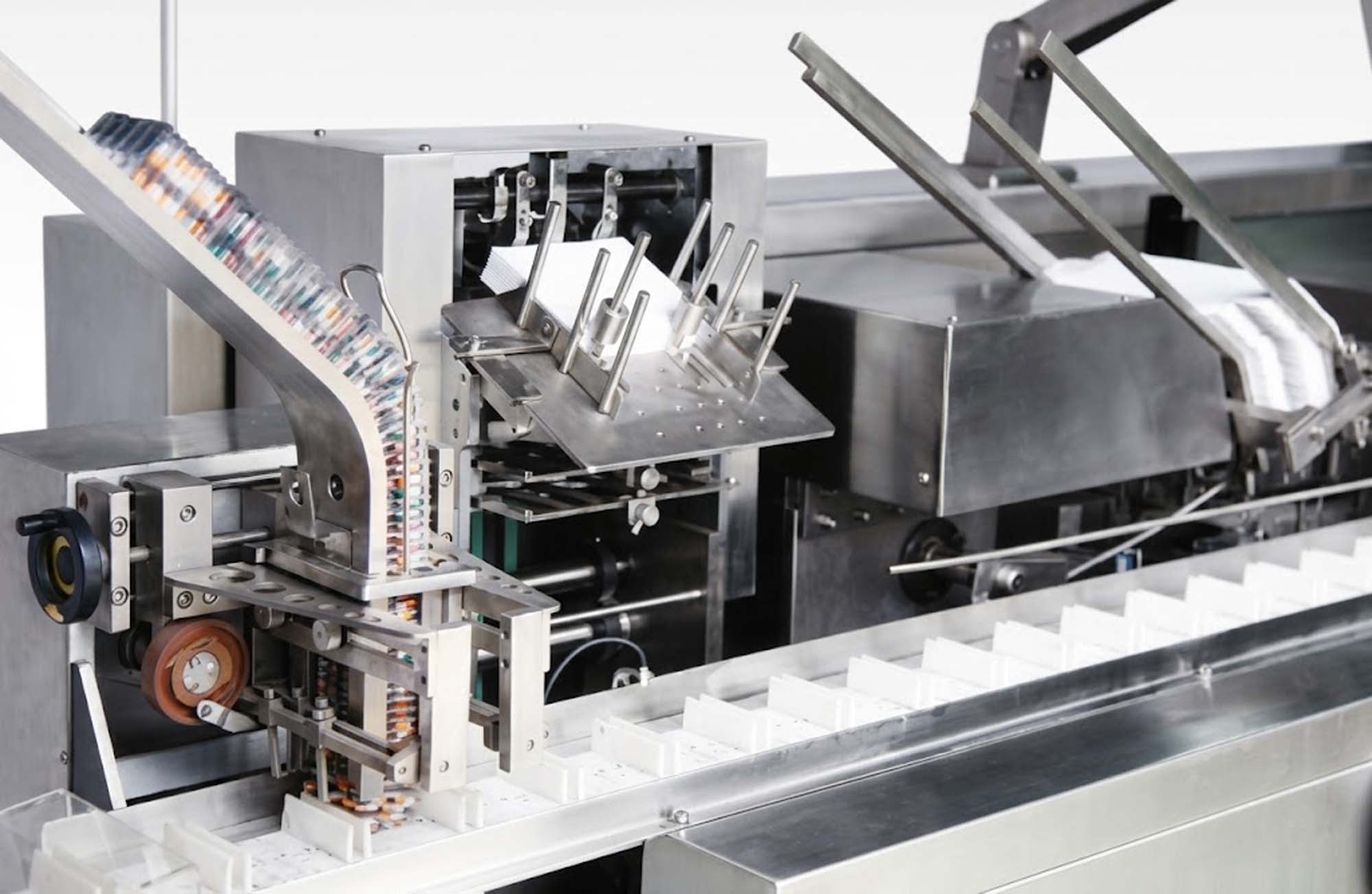
Leaflet Folding, 1 to 4 Folds
Leaflets up to 300 × 180 mm unfolded are folded and fed into the carton with the product in the same push.
Technical specification
| Parameter | Value | What it means for you |
| Encasing speed | 180 cartons/min | — |
| What it packs | Blisters, tubes, trays, ALU strips, bottles, sachets | The most general-purpose machine in the range |
| Carton size | 70-165 × 35-85 × 14-50 mm | The only model in our range that stops at 165 rather than 180 |
| Unfolded leaflet | 80-300 × 90-180 mm | Wider than the 120 series, which stops at 250 |
| Air pressure | ≥0.6 MPa | — |
| Air consumption | 120–180 L/min | — |
| Power | 4.5 kW, three-phase, 60 Hz | Built to your U.S. supply; we confirm the voltage with your quote |
| Dimensions | 4,439 × 1,560 × 1,965 mm | — |
| Weight | 1,750 kg | — |
Model comparison
Model | Speed | What it packs | Carton L×W×H (mm) | Leaflet unfolded | Power |
WZH-120-III | 30–120 | Blister packs | 70-180 × 35-85 × 14-50 | 80-250 × 90-180 | Single-phase, 1.5 kW |
WZH-120P | 30–120 | Bottles, with infeed unscrambling | 70-180 × 35-85 × 14-50 | 80-250 × 90-180 | Single-phase, 1.5 kW |
WZH-120D | 30–120 | Sachets and pouches, 1–12 per carton | 70-180 × 35-85 × 14-50 | 80-250 × 90-180 | Three-phase, 4 kW |
WZH-180 | 180 | Blisters, tubes, trays, bottles, sachets | 70-165 × 35-85 × 14-50 | 80-300 × 90-180 | Three-phase, 4.5 kW |
WZH-260 | 260 | Blisters, tubes, trays, sachets | 70-180 × 35-80 × 14-50 | 80-300 × 90-180 | Three-phase, 5 kW |
WZH-260P | 260 | Bottles, with infeed unscrambling | 70-180 × 35-80 × 14-50 | 80-300 × 90-180 | Three-phase, 5 kW |
WZH-320 | 320 | Blisters, bottles, tubes, sachets | 70-180 × 35-80 × 14-50 | 80-300 × 90-180 | Three-phase, 5.8 kW |
WZH-450 | 450 | Blisters, tubes, trays, sachets | 70-180 × 35-80 × 14-50 | 80-300 × 90-180 | Three-phase, 5 kW |
WZH-600 | 600 | Blisters, bottles, sachets · full servo | 70-180 × 35-80 × 14-50 | 80-300 × 90-180 | Three-phase, 15 kW |
Two things decide the model, and speed is only the second one.
What you pack comes first. Blisters, bottles and sachets each need a different feeder at the infeed. In the 120 series that is three separate machines. Above 120 the machines are more general, except the 260P, which is built for bottles.
Carton size is almost the same across the range. Every model takes a carton 70 to 180 mm long, except the WZH-180, which stops at 165 mm. Only the width narrows slightly above 180 cartons a minute, from 85 to 80 mm. So you do not lose carton flexibility by buying speed.
Industry Applications
Supplement Blisters and Trays
ALU-PVC blisters, soft ALU strips and pill trays, two or three to a carton with a leaflet.
Bottles and Tubes
Supplement bottles, dropper bottles and ointment tubes on the same machine, with a change of feeder.
Sachets and Stick Packs
Single-serve supplement sachets and stick packs into retail cartons.
Changeover
Throughput sells machines. Changeover decides what you actually produce in a week.
What changed | What you adjust | Roughly |
Same carton, new batch | Recipe on the screen | A few minutes |
Carton length or width | Handwheels only — no parts to change | 15–30 minutes |
Carton or product height | The pusher head and pusher block must be swapped | 15–30 minutes |
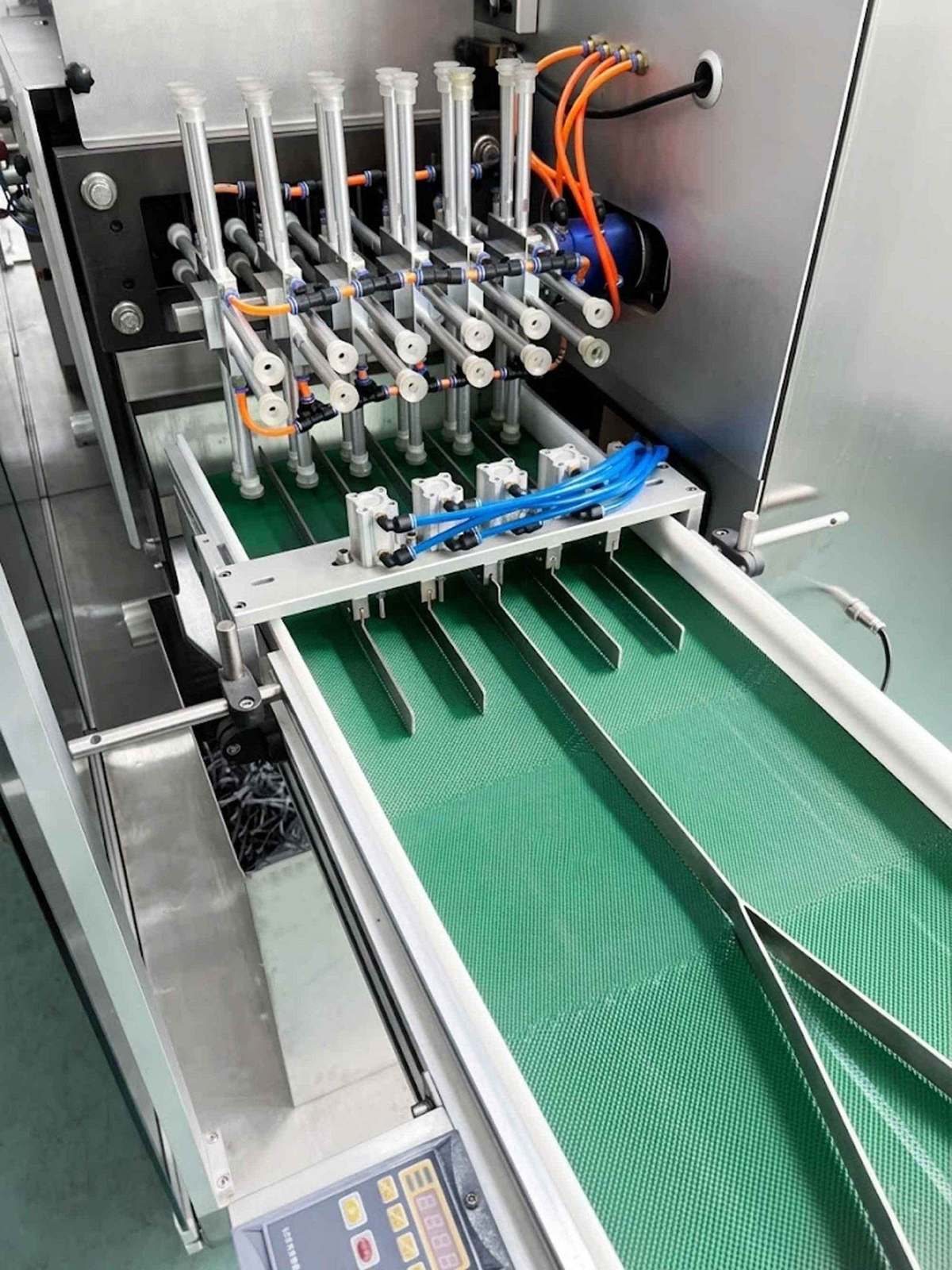
Product format changes | The feeder at the infeed | 15–30 minutes |
Closing style (tuck-in → glue) | Not a changeover. That is a rebuild | — |
Length and width are a handwheel. Height means changing the pusher. A different product means a different feeder. A different closing style means a different machine.
What to check before you buy
The five questions any supplier should ask you
What goes in the carton and how many. Carton dimensions and closing style. Leaflet format and whether it arrives folded. What feeds the machine upstream. Target speed. If a supplier quotes you without these, the machine that arrives will not fit the line it was bought for.
Carton sizing — where most projects go wrong
Manually packed cartons are usually a snug fit around the product. An automated pusher needs clearance. Send us both your product and carton dimensions. We will tell you before you order whether your existing carton runs, or needs modifying — rather than after it has been printed in quantity.
The documentation
Operating and maintenance manuals in English, electrical schematics, a spare parts list with part numbers and prices, and a signed FAT report before the machine ships. Ask any supplier to show you a sample manual page before you order.
Why Choose AIPAK?
One Point of Contact
You deal with us for the machine, the installation and the service call. Custom feeders, closing configurations and layout changes go through the engineers who build it.
Your Carton Checked Before You Order
Send us your carton and product dimensions. We tell you before you order whether your carton runs as it is or needs changing, not after it has been printed in quantity.
A U.S. Number, Answered by Us
+1 (213) 526-8644, answered by our engineers 9 AM–7 PM China time, Monday to Friday. That’s evening and overnight in the U.S., so leave a message or send a WhatsApp anytime and we’ll pick it up first thing.
Spare Parts and Lead Time, in Writing
A kit of wear parts ships with your machine. Every part in the kit, and the lead time for anything outside it, is listed in your quote in writing.
WZH-180 Continuous Cartoning Machine FAQ
Speed is the obvious difference, but the more useful question is what your upstream line produces. If your blister machine or filling line tops out around 120 cartons per minute, the 120-III matches it without paying for headroom you cannot use. The 180 suits lines running consistently above that, or plants that expect to add a second upstream machine later. The 260 and above are for continuous campaigns where the cartoner must never be the bottleneck.
Tell us the output of the machine feeding this cartoner and we will tell you which one actually fits — over-specifying the cartoner does not increase line output.
Below about 120 a minute, an intermittent machine is simpler and costs less. At 180, stopping and starting the carton chain every cycle is hard on the drive and on the product. A continuous machine keeps cartons and pushers moving together, so the transfer is smoother, the machine runs quieter and the drive wears less.
In high-speed packaging, pushing a stationary product into a moving carton can cause jams. The WZH-180 solves this with multi-position servo tracking. The mechanical pusher accelerates to match the exact speed of the carton on the conveyor, gently sliding the product (and leaflet) inside while both are in parallel motion.
It handles stiff board better than a suction-only machine. A double-station planetary mechanism with a pre-forming device breaks the score lines and opens the carton square, rather than relying on suction cups alone. Send us your carton board and we’ll check it before you order.
The leaflet is checked before it reaches the carton. If it’s missing or misfed, that carton isn’t filled, or it’s rejected at the outfeed, so it doesn’t go on to your shipping case.
Yes. It cartons ALU-PVC blisters, soft ALU strips, pill trays, bottles, tubes and sachets. Each product format has its own feeder at the infeed, so switching formats means changing the feeder.
If the new carton is the same style and only the length or width changes, handwheels and sliding slots handle it — no tooling swap. If the product height or carton height changes, the pushing head has to be replaced with a matching set, and the tuck-in section may need different guide plates. That distinction matters when you plan a multi-product schedule: same-height formats change over quickly, different-height formats do not.
Yes. The WZH-180 can take a speed signal from the machine feeding it, such as your blister machine or bottle line, and speed up or slow down to match the incoming product. Tell us what feeds it and we’ll confirm the connection in your quote.
Three: tuck-in, snap-bottom and hot-melt glue. Tuck-in and snap-bottom share the same mechanical chassis — if you package both carton styles, one machine covers them with a small set of changeover parts.
Hot-melt glue is built differently. The glue station replaces the tuck-in mechanism rather than sitting alongside it, so it has to be specified before the machine is built. Retrofitting glue onto a delivered tuck-in machine means rebuilding the sealing section, not swapping a module. If glue is a possibility for you later, tell us at the quotation stage.
Yes. We build to your U.S. supply at 60 Hz and confirm the voltage with your quote.
A kit of wear parts ships with your machine. Every part in the kit, and the lead time for anything outside it, is listed in your quote in writing.
Customers Also Interested In...
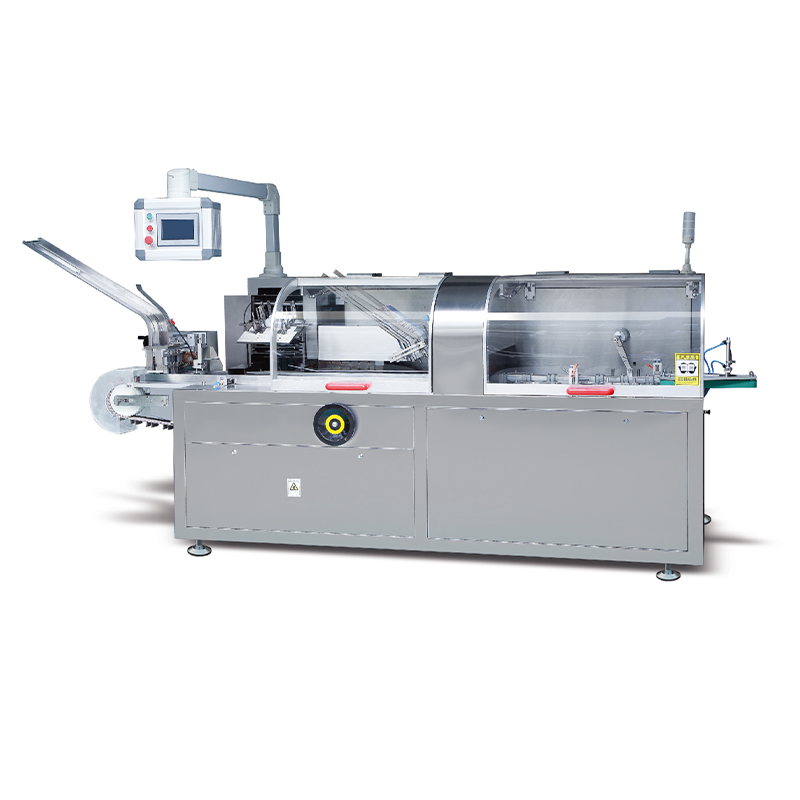
WZH-120-III
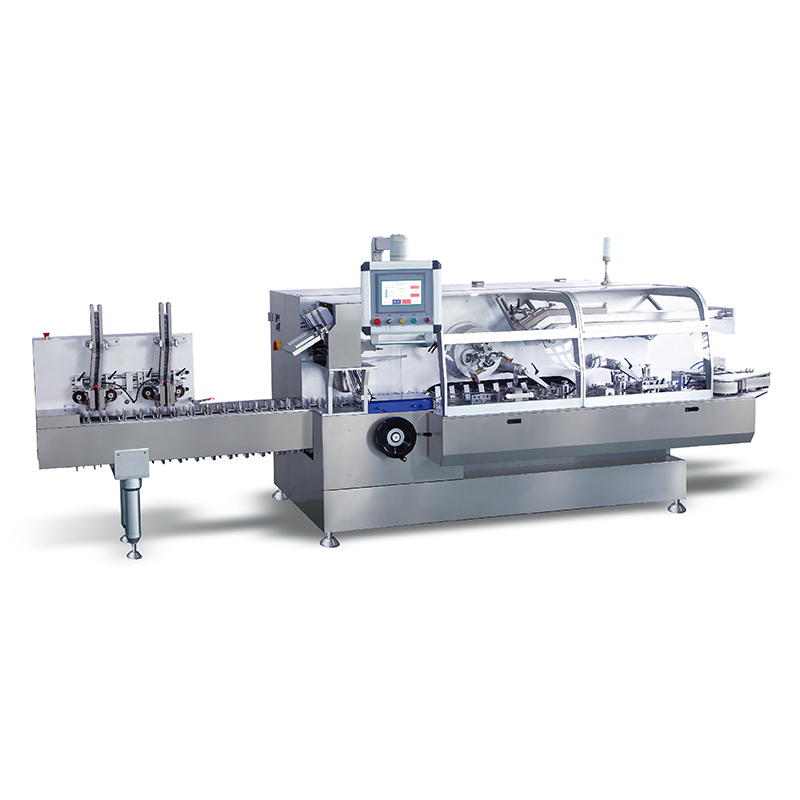
WZH-260
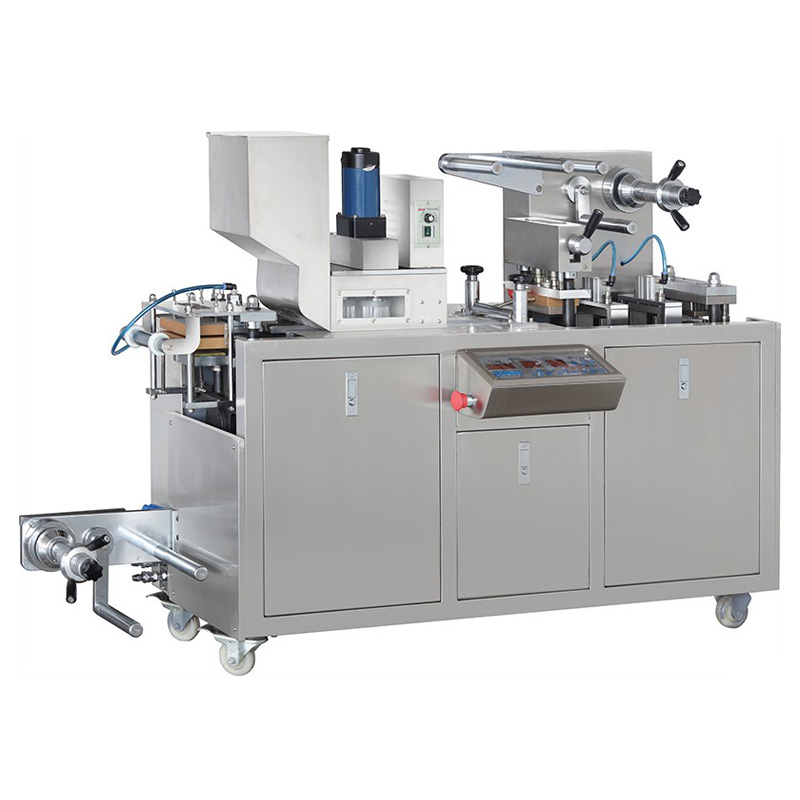
Blister Packaging Machine
Send us your carton and your product
Carton dimensions and product dimensions together decide the machine. Send both and we will come back with a configuration, a layout drawing and a price. If a cartoner is not what you need yet, we will tell you that instead.
Direct from our factory
Lead time confirmed in your quote
Installation and training available
Spare parts listed in your quote