
Stick Pack Lines for Powder Supplements
From powder to finished carton: a servo-auger stick packer, bag arranger, cartoner and checkweigher, built as one line. Back-seal sticks, 5 to 14 lanes.
Your Stick Size Decides Everything Else
A 25 mm stick uses 60 mm of film. Film width divided by that number is your lane count — and lane count is what sets your output.
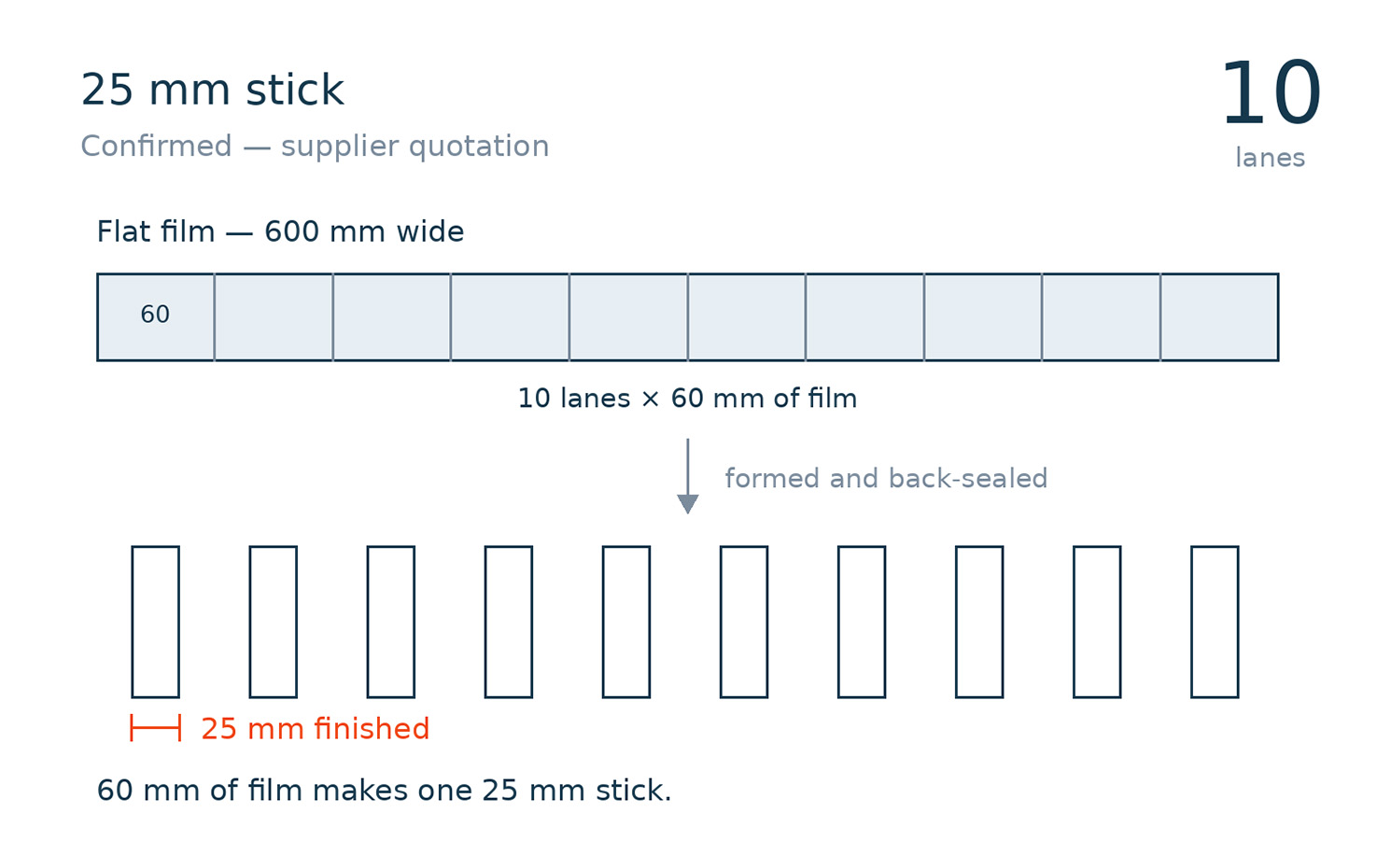
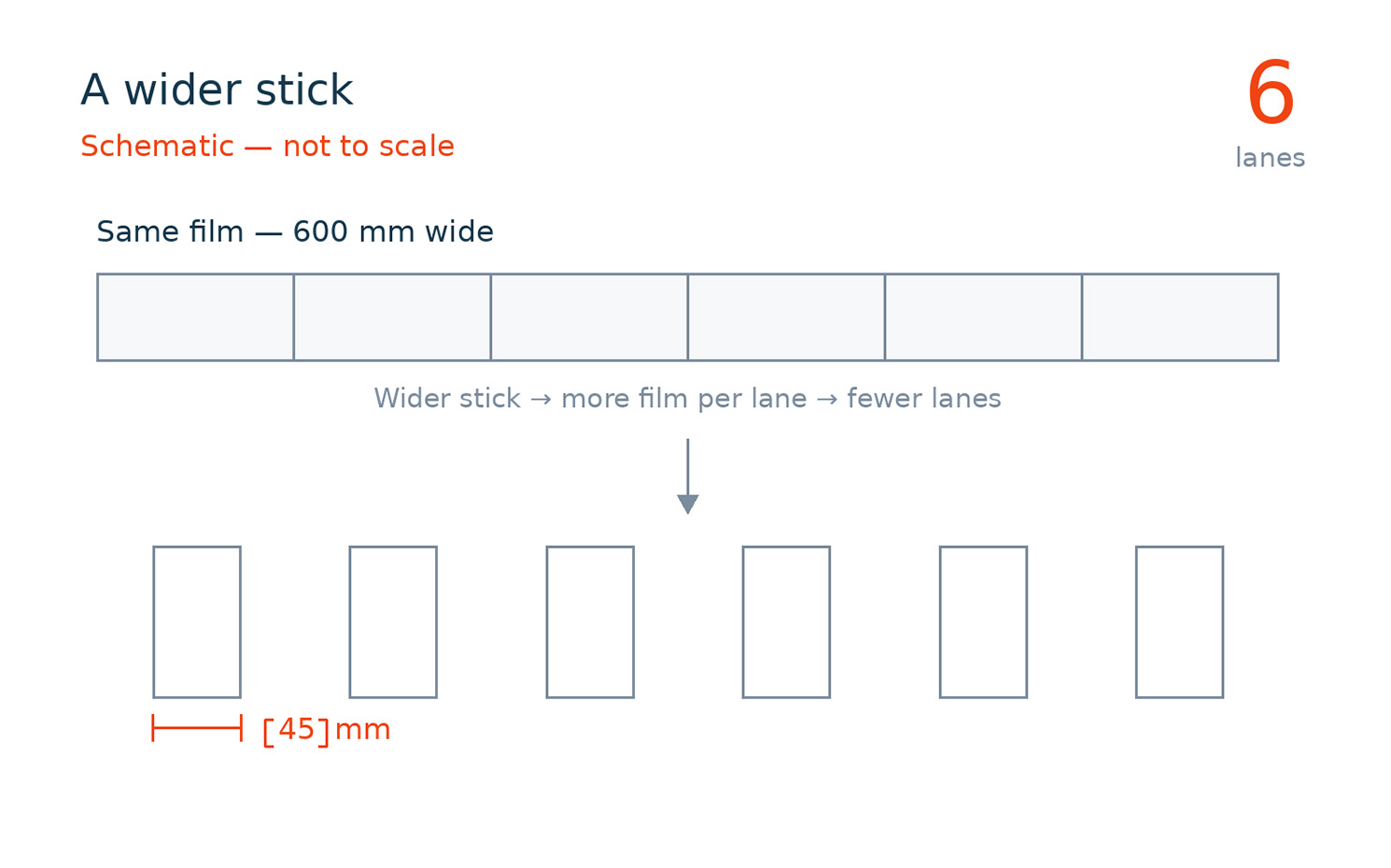
So when someone asks how many sticks a minute a machine will make, our first question is how wide the stick is.
Which Model Fits Your Product
Model | Film width | Lanes @ 25mm | Output | Best for |
AIPAK-SP300P | 300 mm | 5 | 100 – 150 sticks/min | Your first automated stick line — one SKU, launch or pilot volume |
AIPAK-SP600P | 600 mm | 10 | 200 – 300 sticks/min | Most supplement brands scaling past hand-filling or co-packing |
AIPAK-SP840P | 840 mm | Up to 14 | Ask us | Contract manufacturers and high-volume single products |
Output depends on your powder’s flowability and your film. These are working ranges from production, not peak ratings — which is why we run your powder before we quote.
Stick or sachet?
For powder supplements at production volume, it’s a stick. A stick is a sealed tube with a seal running down the back — the tube forms continuously, so the machine runs fast. A sachet is sealed on all four sides, which means more seal area and a slower cycle. Sachets earn their place when you need the extra print area, or when you’re running a gel or a cream. For a powder drink mix, we’d build you a stick.
Your Powder Can Also Flow Too Well
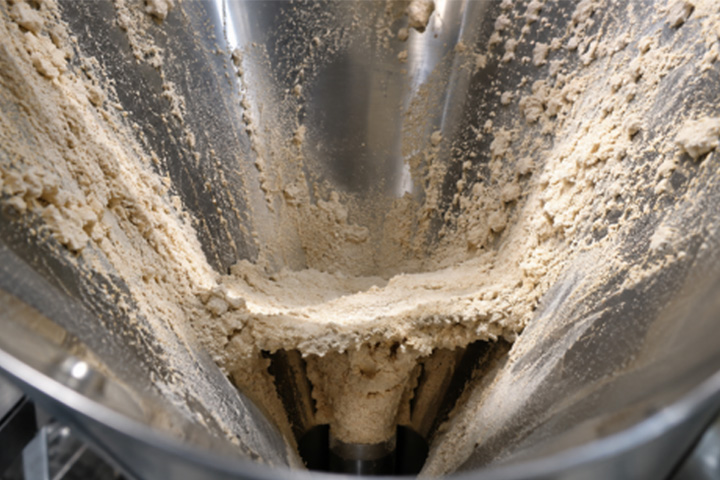
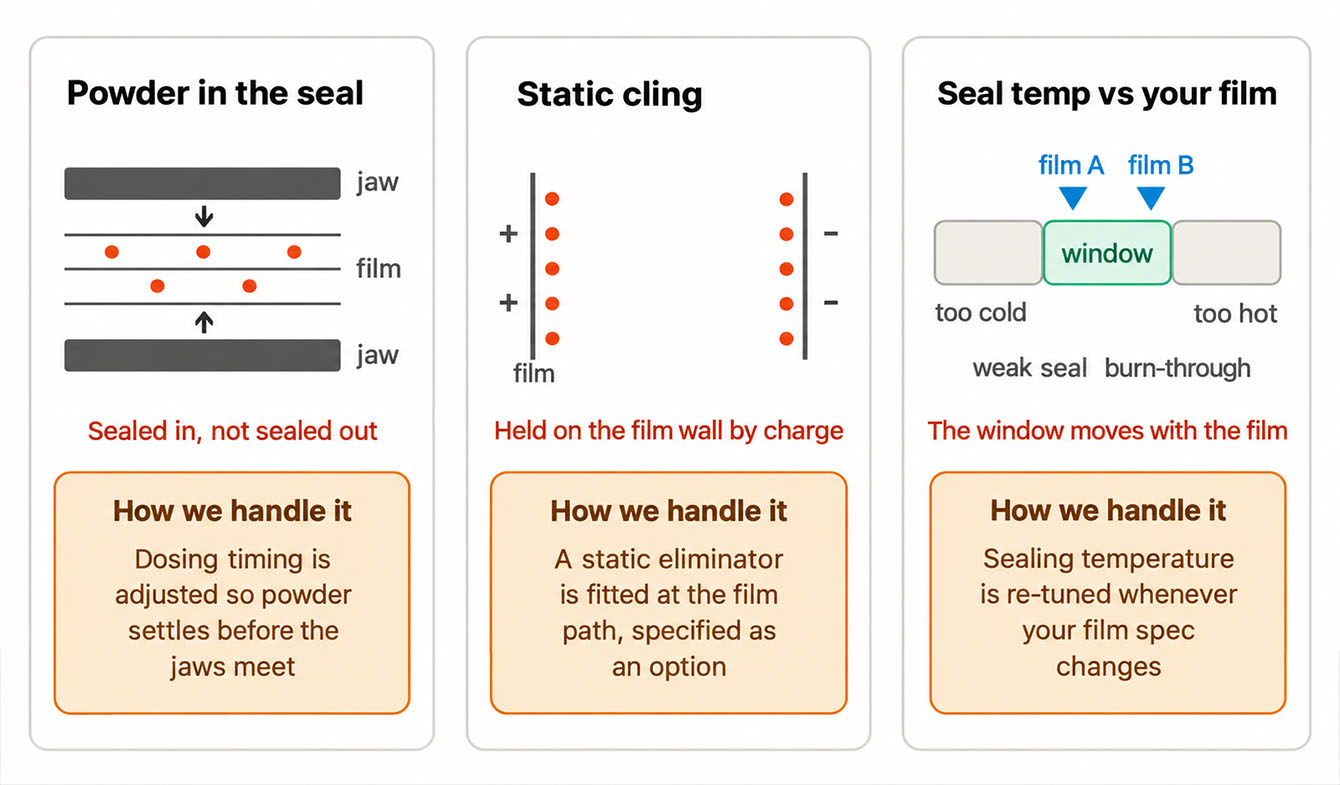
Powder fails in two directions, not one. Too damp and it bridges in the hopper and sticks to the auger — you get underfilled sticks. Too free-flowing and gravity beats the screw — you get overfill, and powder in the seal area. A spec sheet won’t tell you which end yours is on.
Too damp, too sticky
Where an auger meters well
Too free-flowing
On the machine: bridges in the hopper, sticks to the auger
You see: underfilled sticks, inconsistent weight
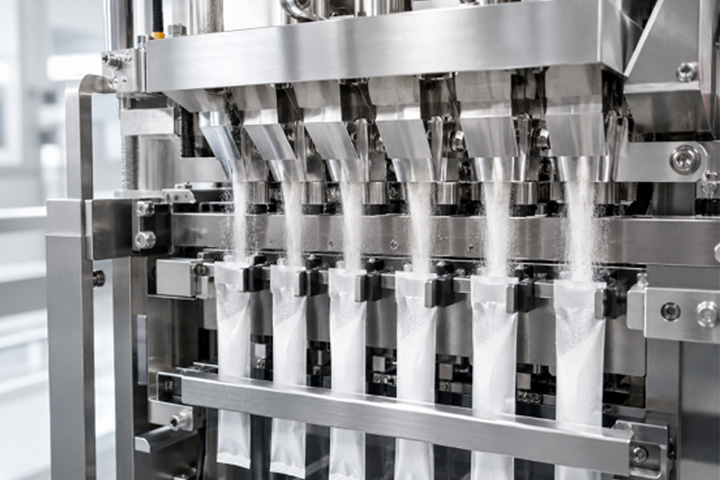
A servo auger controls semi-free-flowing powder well
The problem is knowing which end yours is on
On the machine: gravity beats the screw, floods and overfills
You see: overfill, and powder in the seal area
We’ll sign an NDA before your sample ships. It’s a standard part of our process. Shipping is on you; the test is on us. Results typically within a week.
So we run it before you buy.
Why Stick Packs Leak
That second one — powder that flows too well — is where most leaks start. Powder that reaches the seal area before the jaws close doesn’t get sealed out. It gets sealed in.
What a Complete Stick Pack Line Includes
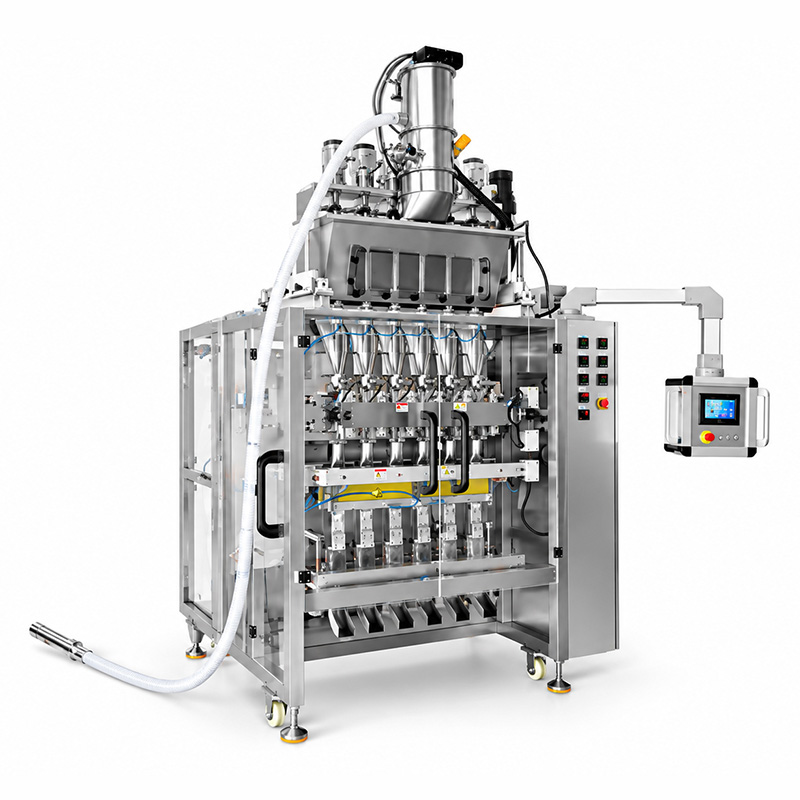
Stick packer
Forms, fills and seals
Everyone needs this
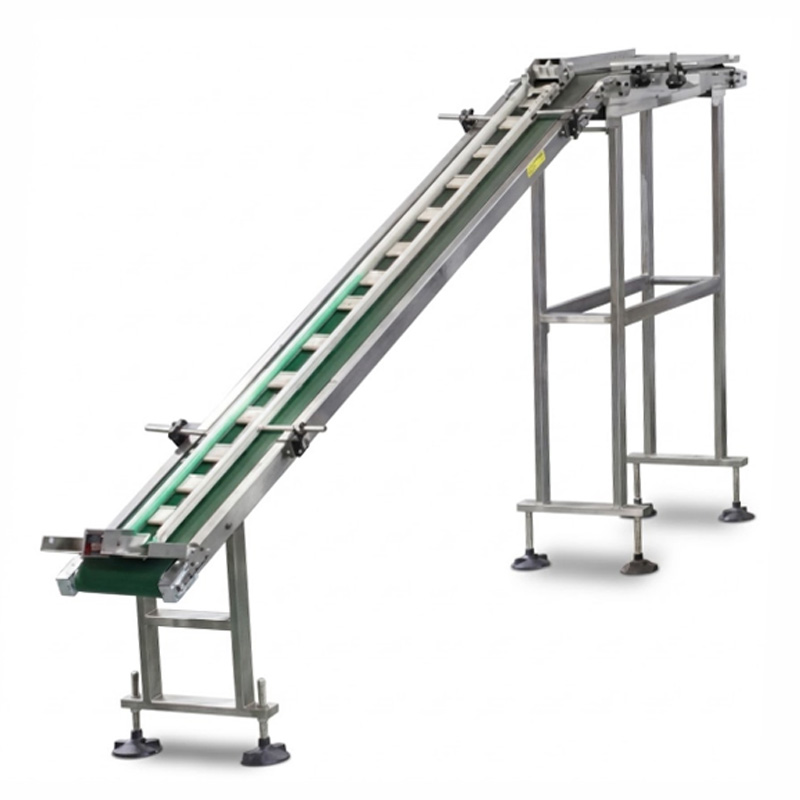
Bag arranger
Orients and counts sticks
Only if you’re cartoning
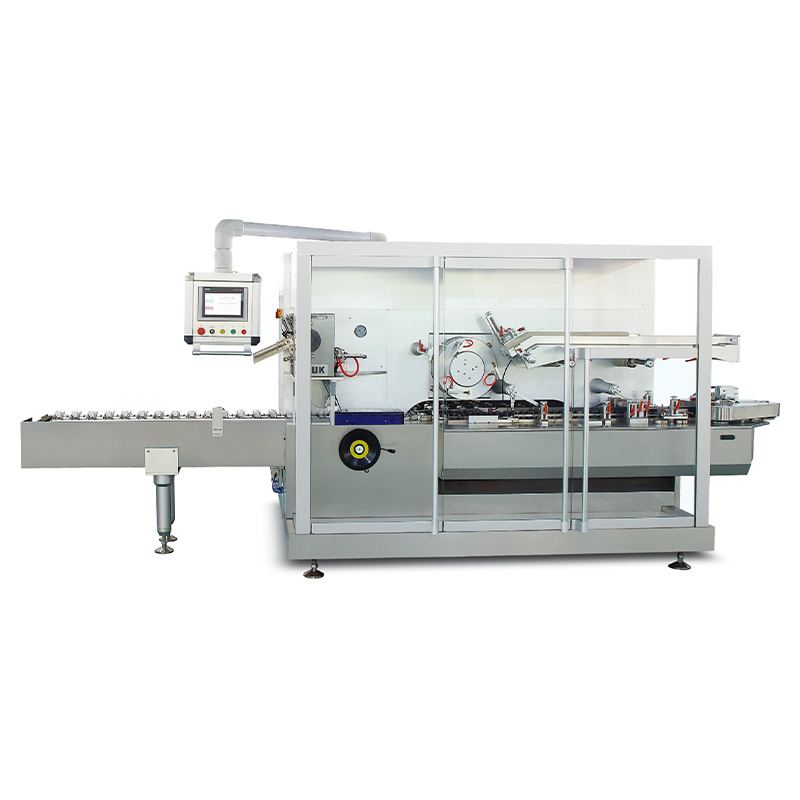
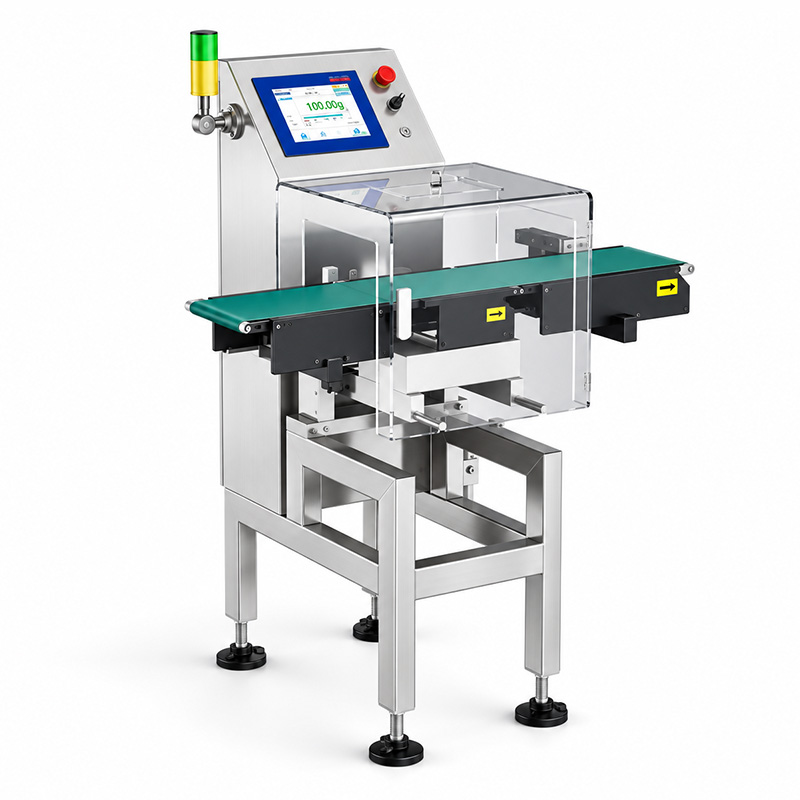
Checkweigher
Weighs and rejects cartons
Depends on your release spec
Already have a cartoner?
Tell us the model and we’ll check whether it can take stick infeed. Free.
Can One Machine Run More Than One Stick Size?
Yes — but changing stick width takes about three hours for the whole machine. So we build the machine around your primary stick, not around every stick you might run someday.
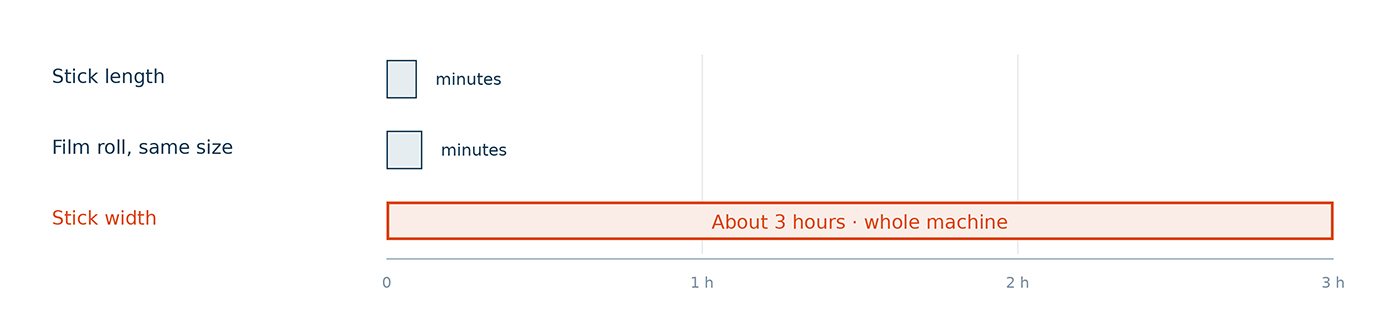
If you’re switching between two very different stick widths every day, two machines will cost you less than the downtime.
How Much Floor Space You Need
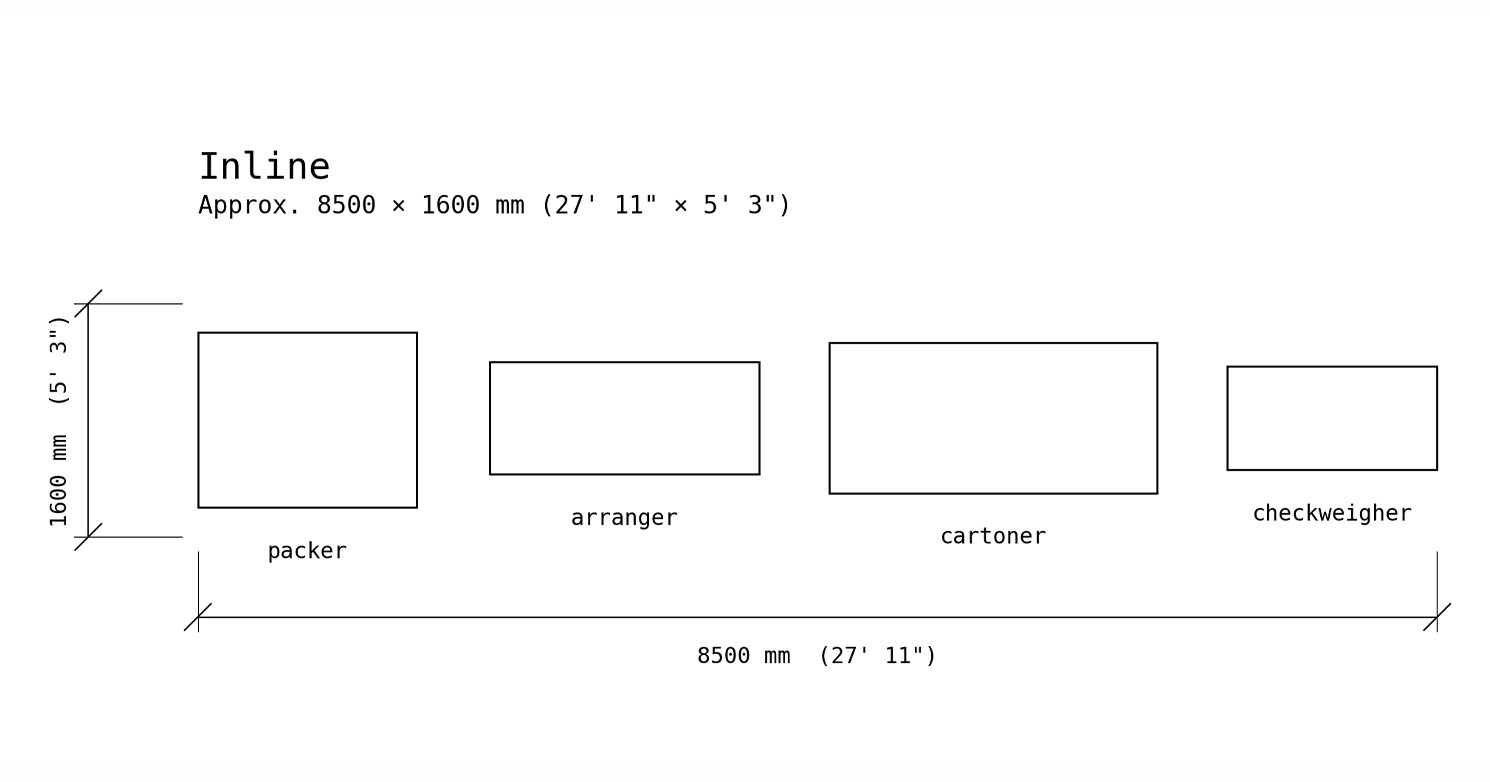
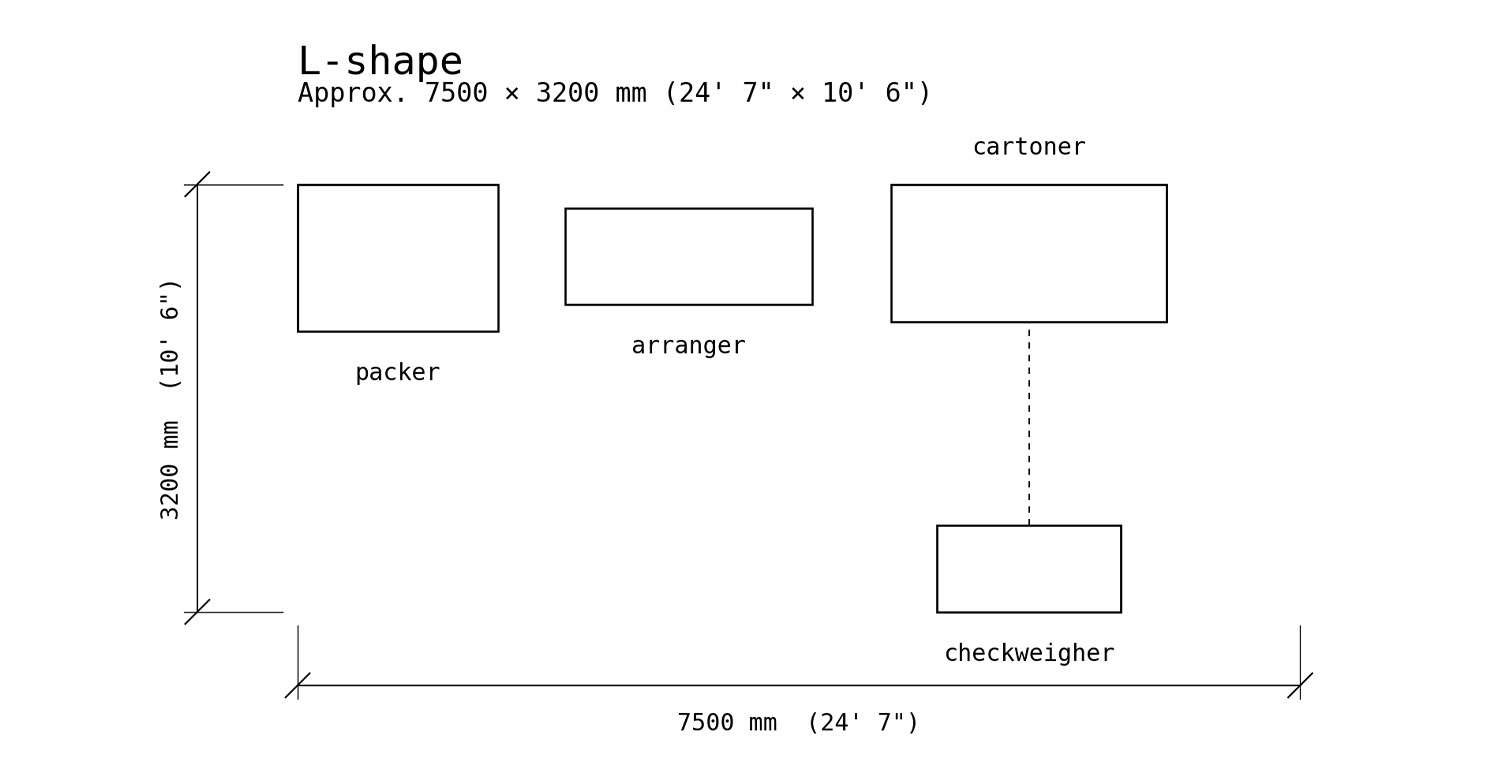
Send us your floor dimensions — length, width, height, and where the doors and columns are — and we’ll lay out your line and check the space for free.
Power and Utilities
AIPAK-SP300P | AIPAK-SP600P | AIPAK-SP840P | |
Frequency / Voltage | 60 Hz, 480 V or 208 V — built to your local supply | ||
Installed power | 3.5 kW | 5.5 kW | 7.5 kW |
Compressed air pressure | 0.8 MPa | 0.8 MPa | 0.8 MPa |
Air consumption | 0.8 m³/min | 0.8 m³/min | 0.8 m³/min |
Product contact parts | 316L |
What Happens After the Machine Ships
In writing
spare parts
lead time listed in your quote
1
week installation per machine
1
week sample test turnaround
1 year
warranty
1-3 months
production lead time
60/480/208
Hz / V built to your supply
Our engineers come to your plant. About one week per machine. Travel and on-site costs are quoted separately.
A kit of wear parts ships with your machine. Every part in the kit, and the lead time for anything outside it, is listed in your quote in writing.
Three to five days of operator and maintenance training at your plant, during installation.
Operation & Maintenance (O&M) Manual, Electrical Wiring Diagrams, and a Recommended Spare Parts List shipped with the machine
Installation isn’t free anywhere — it’s either a line item or it’s inside the machine price. We quote it as a line item so you can see it.
FAQ
That’s the right question, and a spec sheet can’t answer it. Powder fails in two directions — too damp and it bridges in the hopper, too free-flowing and gravity beats the screw and floods the fill. Send us a sample. We run it on the machine, set the auger and the dosing timing against your actual powder, and send you the fill weight data. We sign an NDA before your sample ships. Shipping is on you; the test is on us. Results typically within a week.
Work back from your stick width. Each lane uses roughly twice your stick width, plus an allowance for the back-seal lap. On our 600 mm machine, a 25 mm stick uses 60 mm of film, which gives ten lanes. Tell us your stick width and your target output and we’ll tell you which film width you need.
For a powder drink mix at production volume, a stick. A stick is a sealed tube with one seam down the back — the tube forms continuously as film comes off the roll, so only the horizontal seal is intermittent. A sachet is sealed on all four sides, which means more seal area and more dwell time per bag. Sachets earn their place when you need the print area, or when you’re running a gel or a cream.
20 to 30 cuts a minute per lane. On a ten-lane machine that’s 200 to 300 sticks a minute. That’s the working range we see in production, and it moves with your powder’s flowability and your film. We don’t publish a peak rating, because a peak rating isn’t what you’ll run.
Stick length is a touchscreen setting — minutes. Stick width is about three hours for the whole machine, because the forming tooling changes. So we build the machine around your primary stick, not around every stick you might run someday. If you’re switching between two very different widths every day, two machines will cost you less than the downtime.
Our engineers travel to your plant, about a week per machine. Travel and on-site costs are quoted separately. Installation isn’t free anywhere — it’s either a line item or it’s inside the machine price. We quote it as a line item so you can see it.
60 Hz, 480 V or 208 V, built to your local supply. Depending on what you have at that station, a transformer or a voltage stabilizer may be part of the build. We confirm that in the quotation, before you sign, rather than at commissioning.
A kit of wear parts ships with your machine. Every part in the kit, and the lead time for anything outside it, is listed in your quote in writing.
Tell Us What You're Packing
Not sure which model? ⇢
Tell us your powder and stick size
Send us a sample ⇢
We'll run it and send you the data
Send your specs ⇢
Get a line quote
