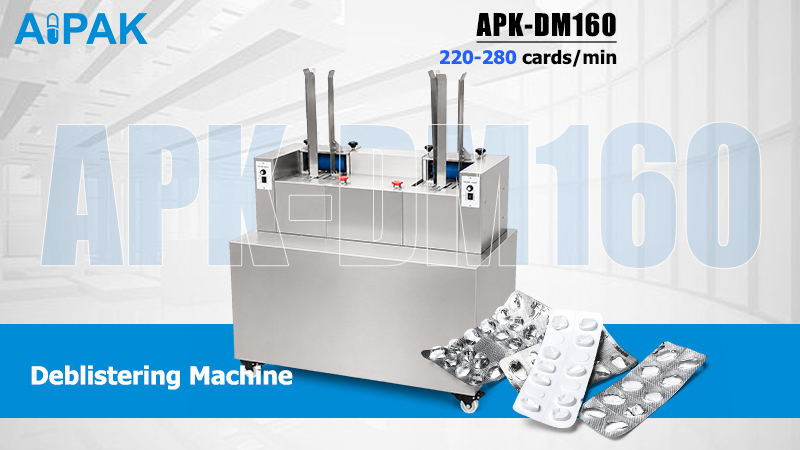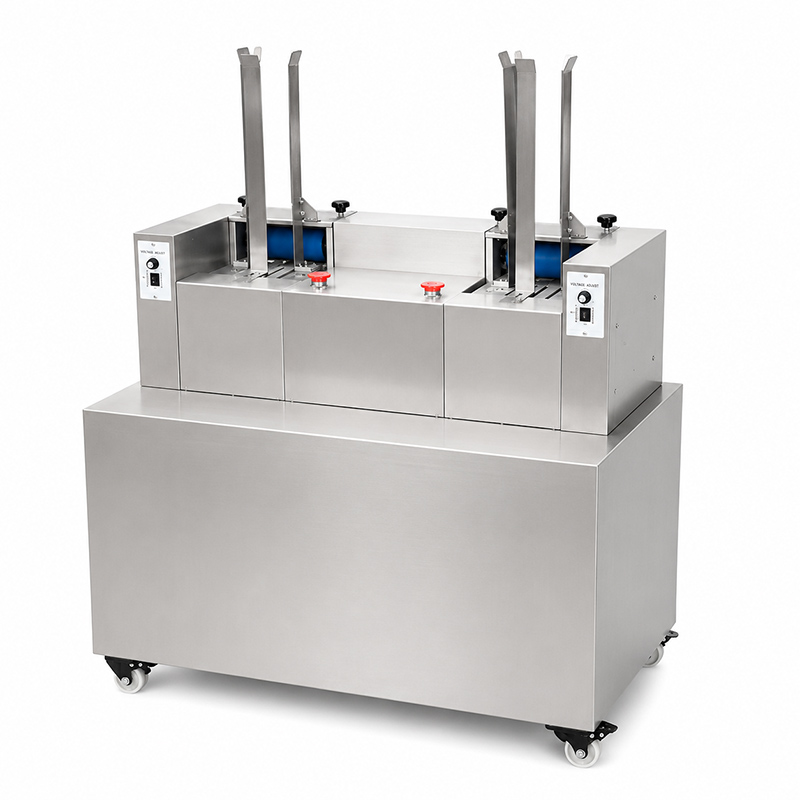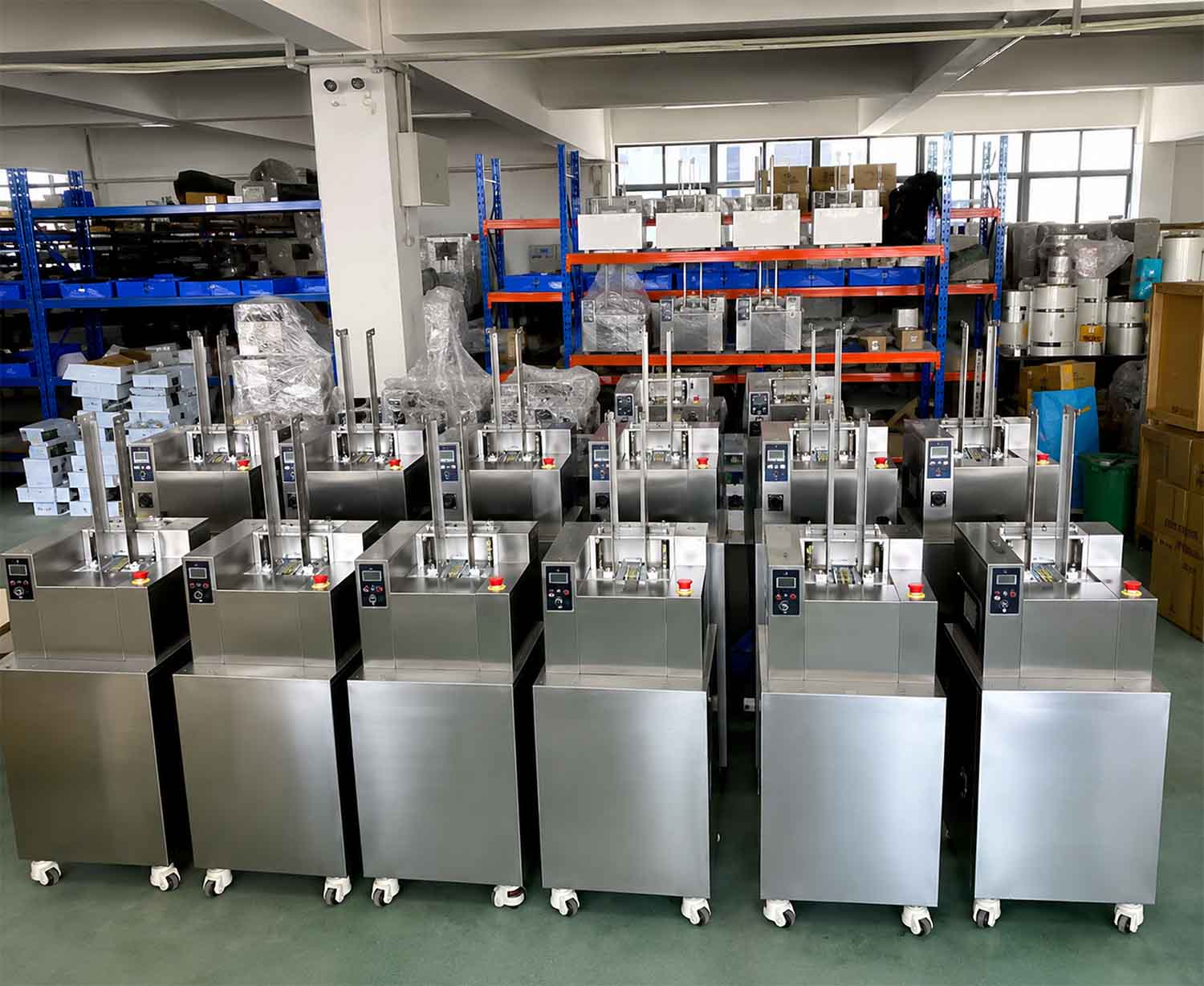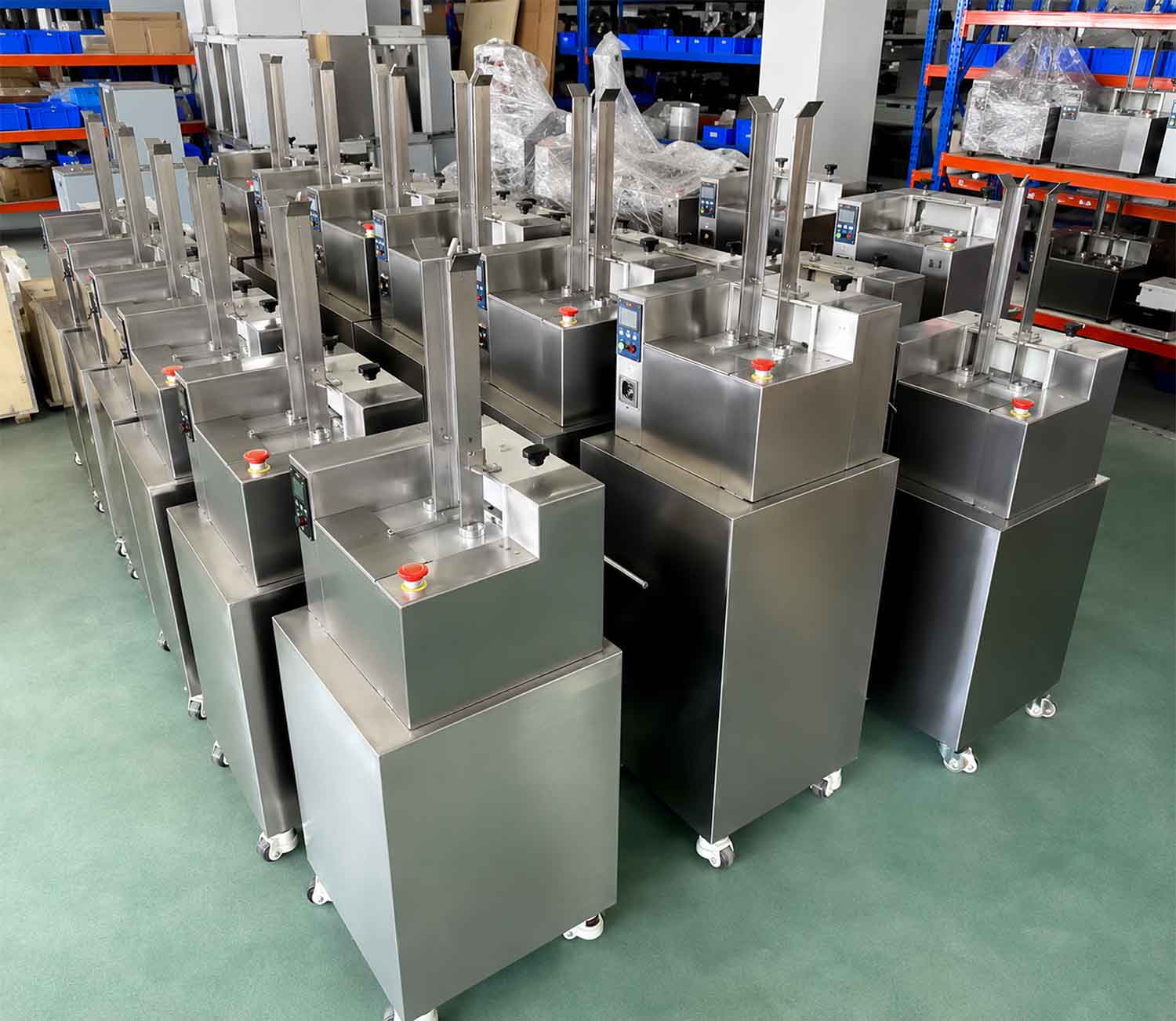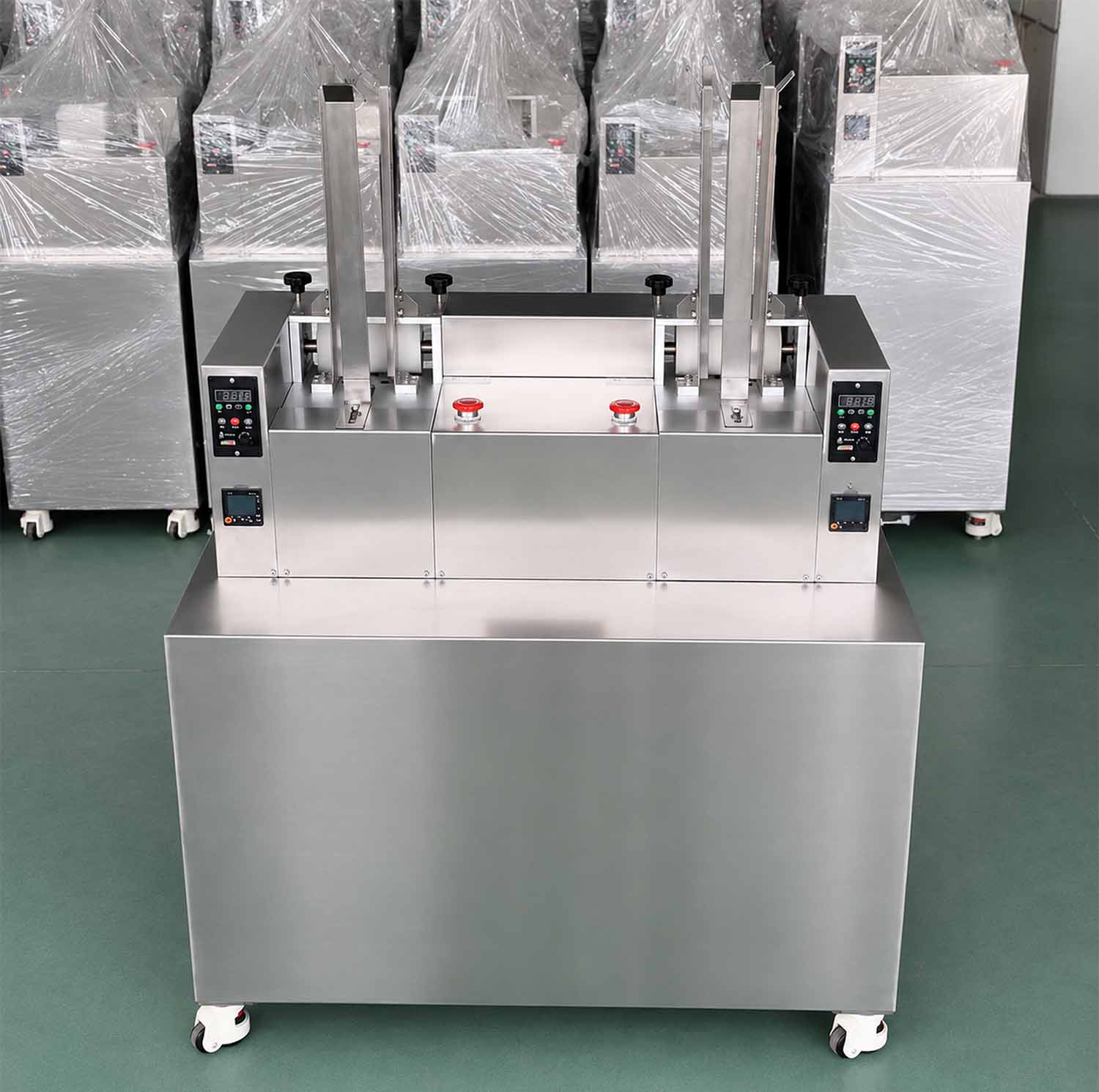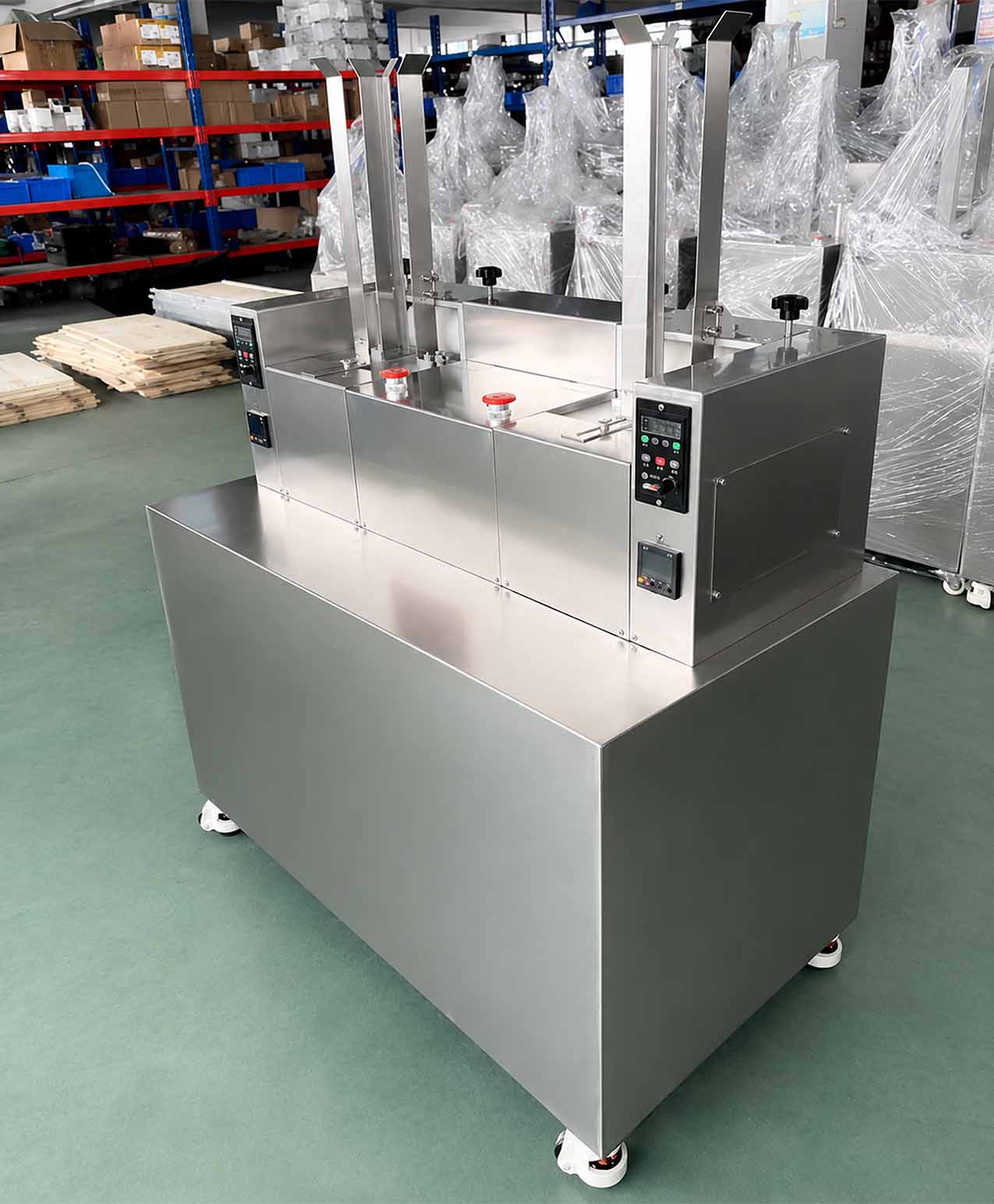
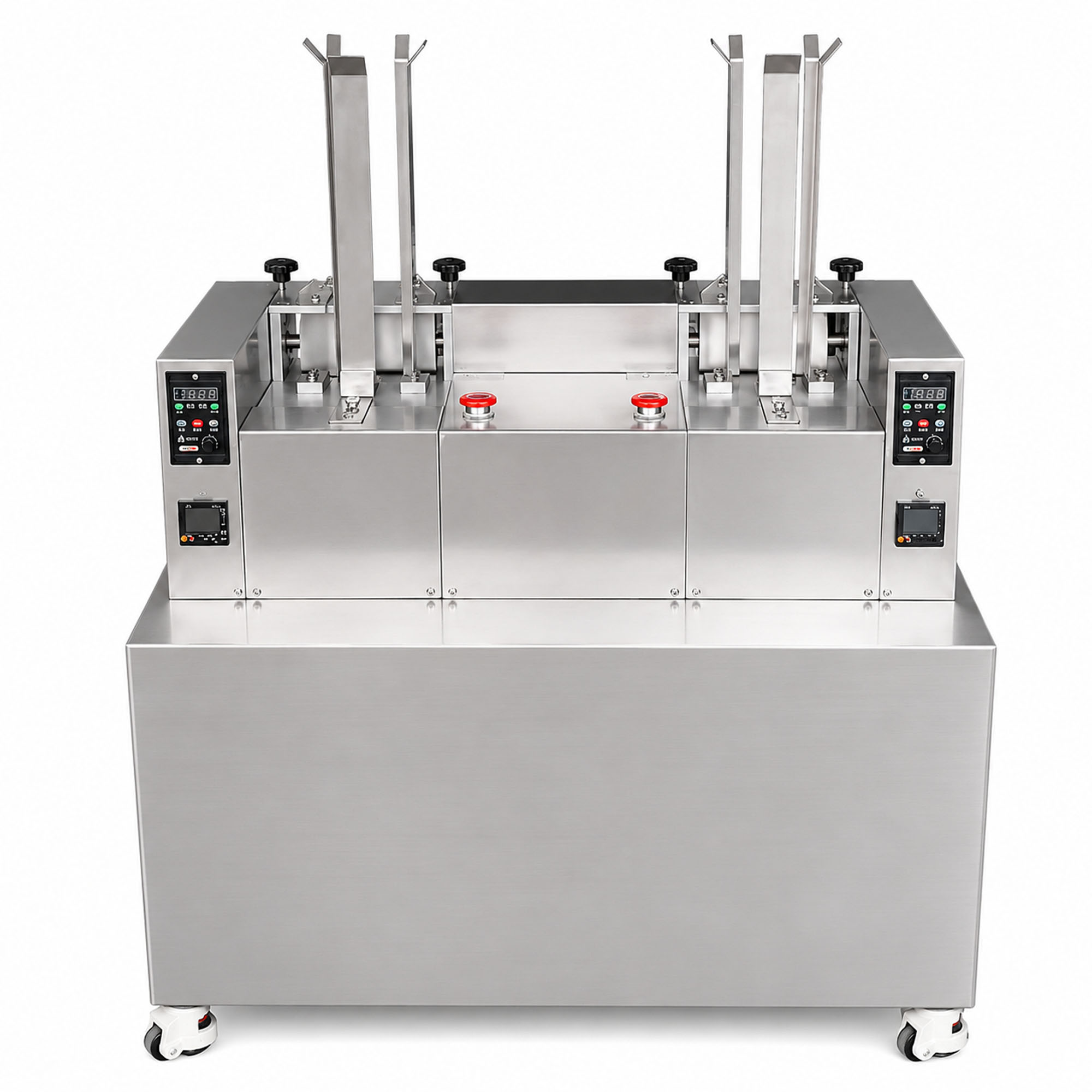
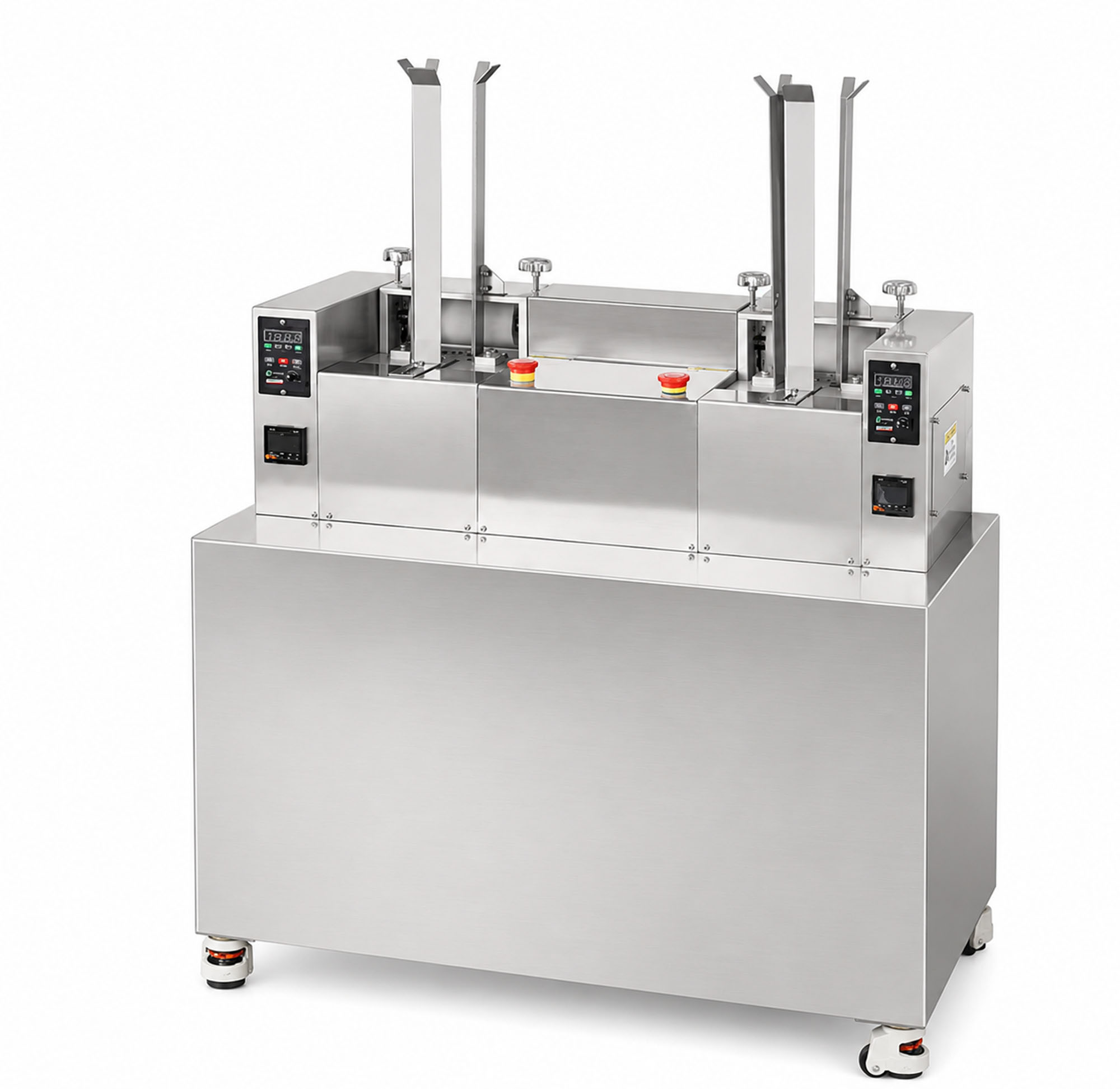
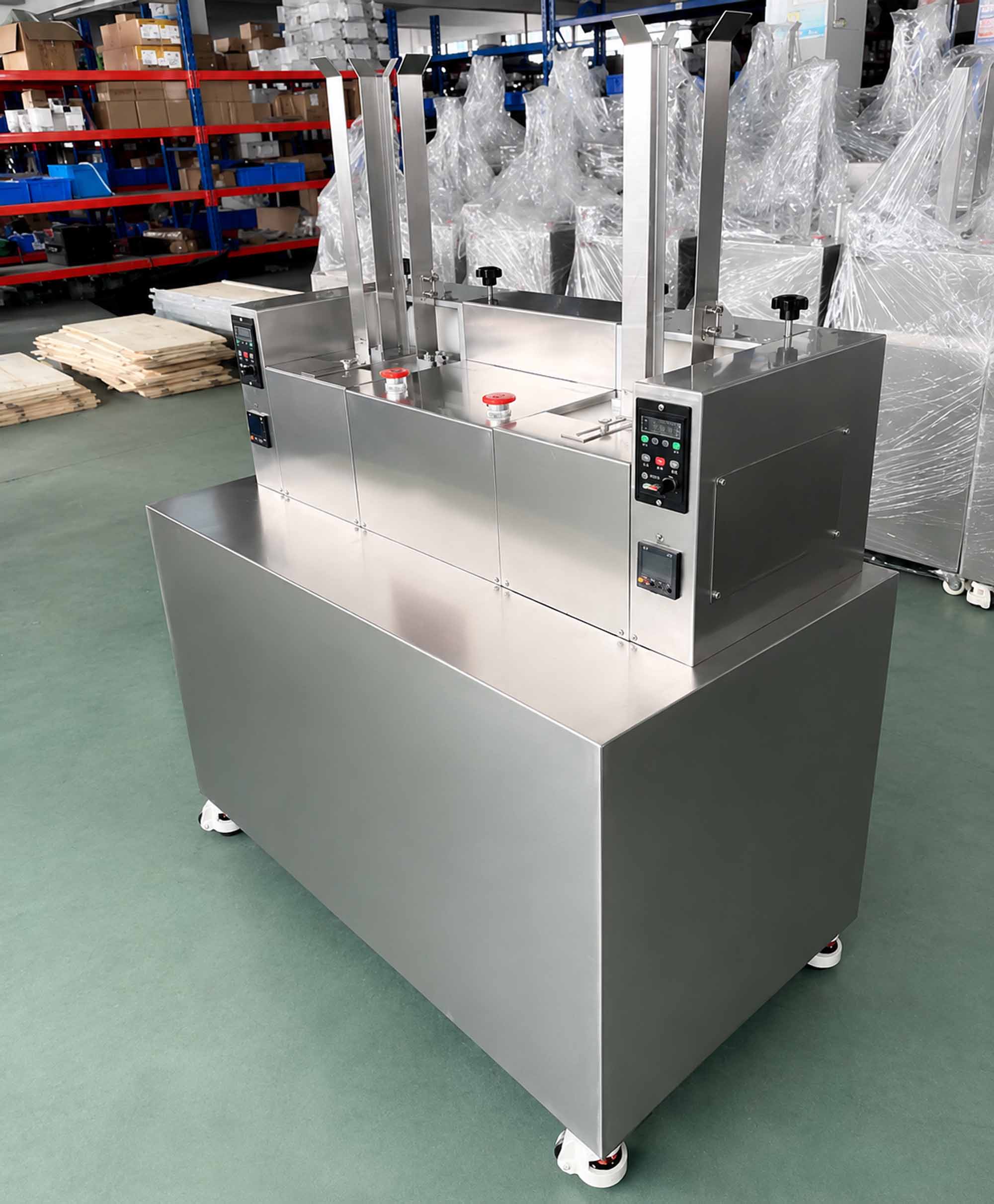
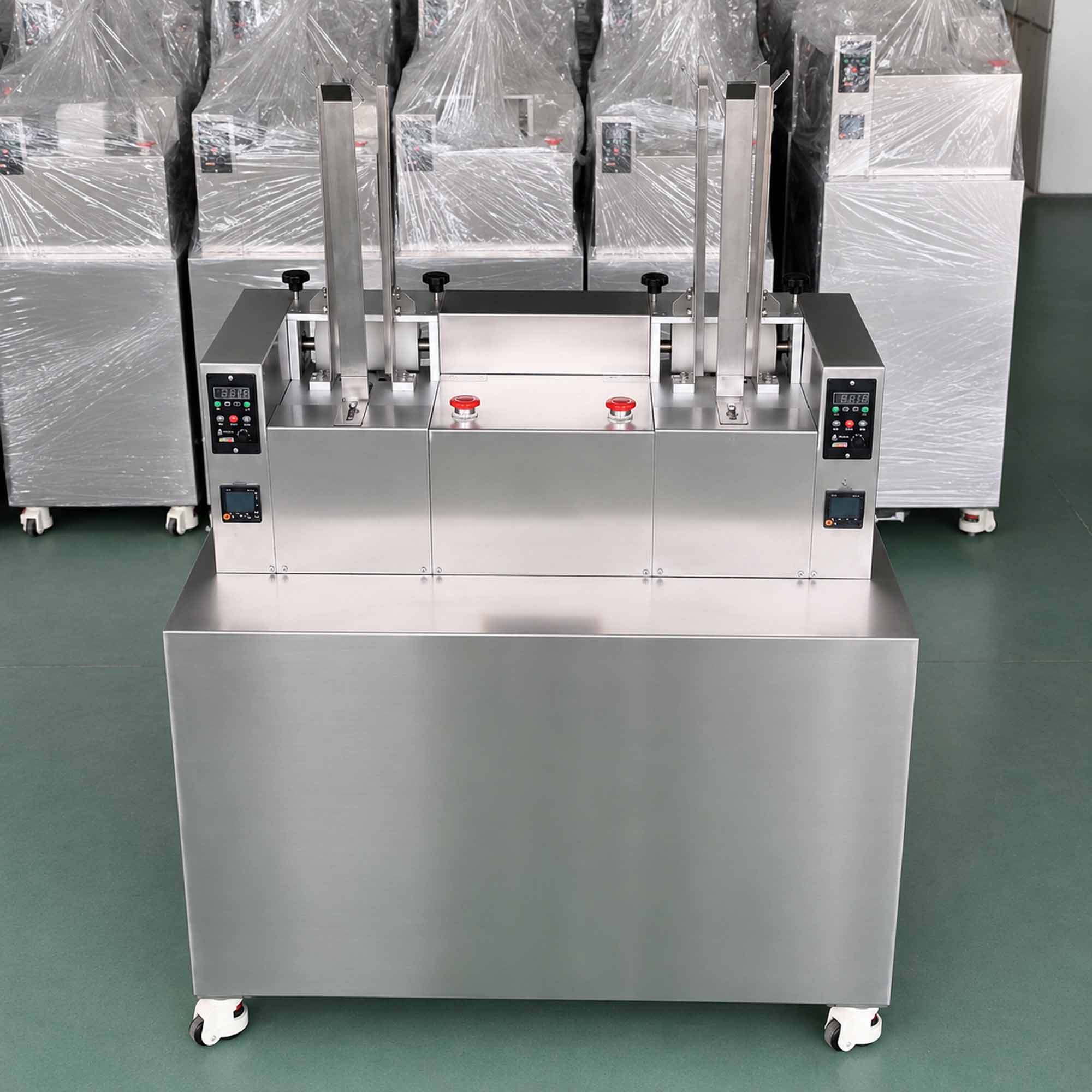
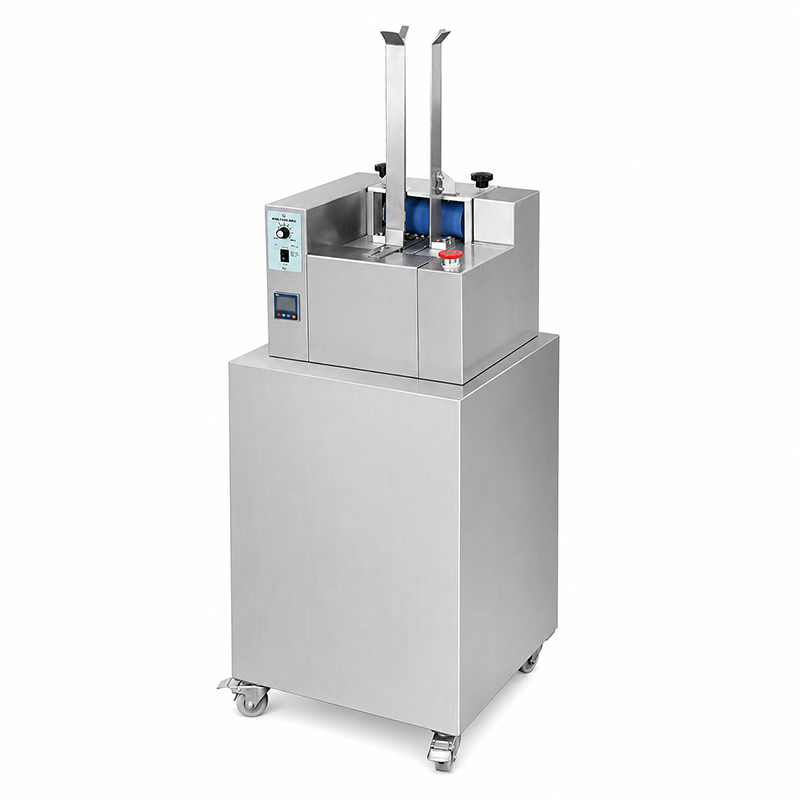
APK-DM160 High-Speed Deblistering Machine

220 to 280 blister cards a minute, counted automatically

When more than one blister line is feeding rejects into rework, a 100-card-a-minute machine becomes the bottleneck. This one runs 220 to 280 cards a minute on a 360 W drive, counts every card with an electronic counter, and handles Alu-PVC, Alu-Alu and Alu-PVC-Alu — as long as the pockets sit in regular rows.

1. Speed: 220 to 280 cards a minute, the fastest in the range

2. Automatic count: an electronic counter tallies every card

3. Three blister materials: Alu-PVC, Alu-Alu and Alu-PVC-Alu

4. Floor-standing: 900 × 500 × 1,200 mm, 65 kg

Is the APK-DM160 the right size for you?

✓ Yes, if…

✕ Buy something else if…

360 W Drive for the Fastest Rate in the Range

Twice the motor of the smaller models, with a reduction gear that keeps the rollers turning slowly and steadily even at 220 to 280 cards a minute. More cards go through, but each pocket still gets the same even pressure.

Every Card Counted

An electronic counter tallies each card as it passes through. At the end of a rework run you have a number for the batch record, not an estimate.

Linear Guide Rails

Cards travel on linear guide rails, which keep them aligned under the rollers row after row at the top of the speed range.

Product in One Tray, Foil in Another

A guide plate and a rubber retaining flap send the recovered product one way and the empty card the other, so nobody sorts them by hand afterwards.

Technical specification

ParameterAPK-DM160What it means for you
OperationFully automaticCards feed on their own
Card countAutomatic, electronic counterA number for your batch record
Speed220–280 cards/min, adjustableThe fastest in the range
Pocket layoutRegular rows and columnsFor irregular layouts, see the DM80
Blister materialAlu-PVC, Alu-Alu, Alu-PVC-Alu—
Card sizeMaximum: 140 × 115 mm card layouts / Minimum: 50 × 35 mm card layouts—
Change partsNone—
RollersPure PU—
Guide railsLinear guides—
Motor 360 W with speed controllerTwice the smaller automatic models
Power supply110–120 V or 220 V, 50/60 Hz, single phase, 360 WTell us which outlet you have
ConstructionSUS304—
Dimensions900 × 500 × 1,200 mmMore than twice the footprint of the DM130
Weight65 kg—

Model comparison

Model

Operation

Speed

Layout

Blister material

Count

Weight

APK-DM80

Semi-auto

25–35/min

Any

Alu-PVC

Manual

16 kg

APK-DM120

Automatic

50–65/min

Regular rows

Alu-PVC, Alu-Alu, Alu-PVC-Alu

Manual

25 kg

APK-DM120A

Automatic

80–95/min

Regular rows

Same

Manual

35 kg

APK-DM130

Automatic

100–120/min

Regular rows

Same

Automatic

38 kg

APK-DM160

Automatic

220–280/min

Regular rows

Same

Automatic

65 kg

Two questions decide the model. Are your pockets laid out in regular rows? If not, only the DM80 takes them. And how many cards do you rework an hour?

Industry Applications

Softgels from Short-Filled Cards

A short-filled or badly sealed softgel card still holds good product. Soft PU rollers split the foil without crushing the oil-filled shell.

Alu-Alu Cards from Moisture-Sensitive Products

Probiotics and hygroscopic capsules usually go into cold-formed Alu-Alu, which is harder to peel by hand. This machine splits all three common blister materials.

Daily Start-Up Rejects

The first cards off each blister run, before the format settles. At 220–280 cards a minute a day’s rejects clear in minutes.

Contract Packing Rework

Several clients’ products in a week, each on a different card size. No change parts, so switching between them is an adjustment.

What changing over involves

What changedWhat you adjustRoughly
Different card sizeGuide rail width and roller pressureA few minutes
Different productWipe down the rollers and chuteA few minutes

No moulds and no change parts, as long as the pockets sit in regular rows.

What to check before you buy

01

Your blister material

Alu-PVC splits more easily than Alu-Alu. Ask which materials each model handles, and send a card to be sure.

02

Your pocket layout

Most automatic deblisterers need regular rows. Irregular layouts need a machine built for them.

03

Your outlet

Check the voltage before the machine ships.

Why Choose AIPAK?

One Point of Contact

One project engineer handles your machine from proposal to commissioning, so you’re not chasing five suppliers for one answer.

We Run Your Cards Before You Order

Send us a few of your rejected blister cards. We run them on the machine and send back the recovered product, so you can see whether your softgels come out whole — on your own cards, not ours.

A U.S. Number, Answered by Us

+1 (213) 526-8644, answered by our engineers 9 AM–7 PM China time, Monday to Friday. That’s evening and overnight in the U.S., so leave a message or send a WhatsApp anytime and we’ll pick it up first thing.

Spare Parts and Lead Time, in Writing

A kit of wear parts ships with your machine. Every part in the kit, and the lead time for anything outside it, is listed in your quote in writing.

Questions About the APK-DM160

What's the difference between the DM160 and the DM130?

Speed and size. Both count cards automatically and handle all three blister materials in regular-row layouts. The DM160 runs 220–280 cards a minute on a 360 W drive, against 100–120 on the DM130 — but it’s 900 mm long and 65 kg, against 400 mm and 38 kg. If one blister line feeds your rework, the DM130 is usually enough.

Does this machine require separate change parts when switching blister card formats?

No. Operators set the guide rails and roller pressure on dials. Different card sizes need no molds and no change parts.

How does the APK-DM160 protect fragile softgels or capsule shells from breaking at such high speeds?

The 360 W motor drives the rollers through a reduction gear, so they still turn slowly and steadily at 220 to 280 cards a minute. The rollers are soft polyurethane, so they give around a softgel while still splitting the foil.

Will the rollers leave particles on the recovered product?

The rollers are pure polyurethane, chosen because it wears slowly and doesn’t flake the way cheap rubber does. A roller material test report is available on request.

Can the APK-DM160 process high-barrier aluminum-aluminum (Alu-Alu) or Alu-Plastic-Alu blister cards?

Yes. It splits Alu-PVC, cold-formed Alu-Alu and Alu-PVC-Alu cards without changing any parts.

What type of pocket layout or row arrangement is required for the blister cards to feed correctly?

Pockets have to sit in straight rows and columns, so the guide rails and rollers line up with them card after card. For irregular or offset layouts, see the APK-DM80.

What warranty comes with it?

One year on the whole machine, excluding damage from misuse.

What are the facility utility and external infrastructure requirements for installation?

Yes. It runs on single-phase power with no compressed air or vacuum. We build it for your U.S. outlet — 110–120 V or 220 V, 50/60 Hz — and confirm the voltage with your quote. It draws 360 W.

Customers Also Interested In...

Send Us a Few Rejected Cards

Two things decide which deblistering machine you need, and speed isn’t the first one. Are your pockets laid out in regular rows, or irregular like a calendar pack? And is the card Alu-PVC, or a harder Alu-Alu or Alu-PVC-Alu? Tell us both and we’ll narrow five models down to one.

Better still, send us a few of your rejected cards. We’ll run them on the machine and send back the recovered product, so you can see whether your softgels come out whole — on your own cards, not ours.

  • Reply within one business day
  • Your cards run on the machine before you order
  • Your product details stay with us

No sales calls — we reply by email or WhatsApp, whichever you gave us.

Scroll to Top