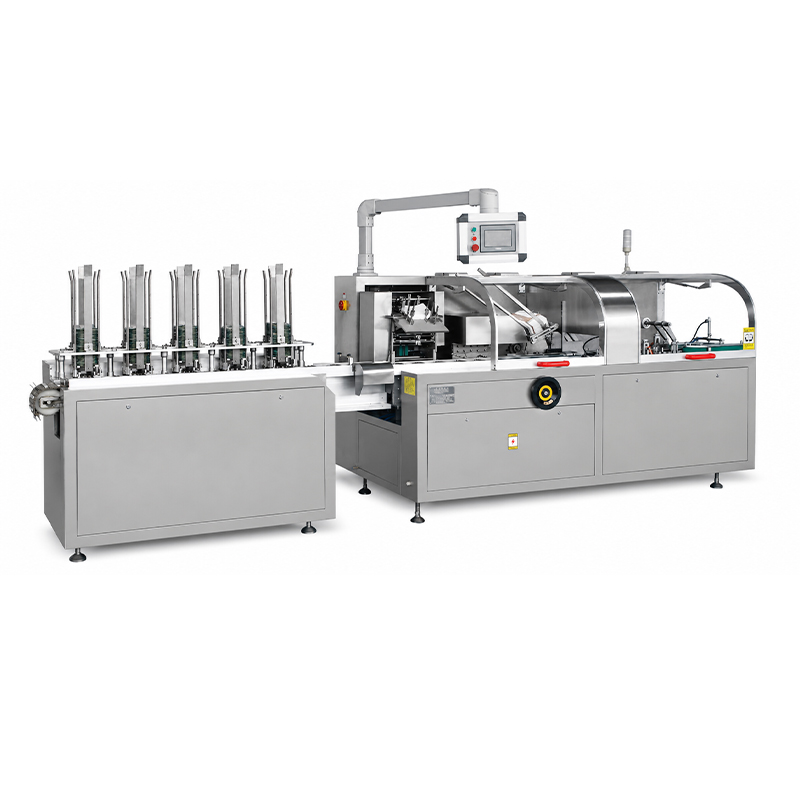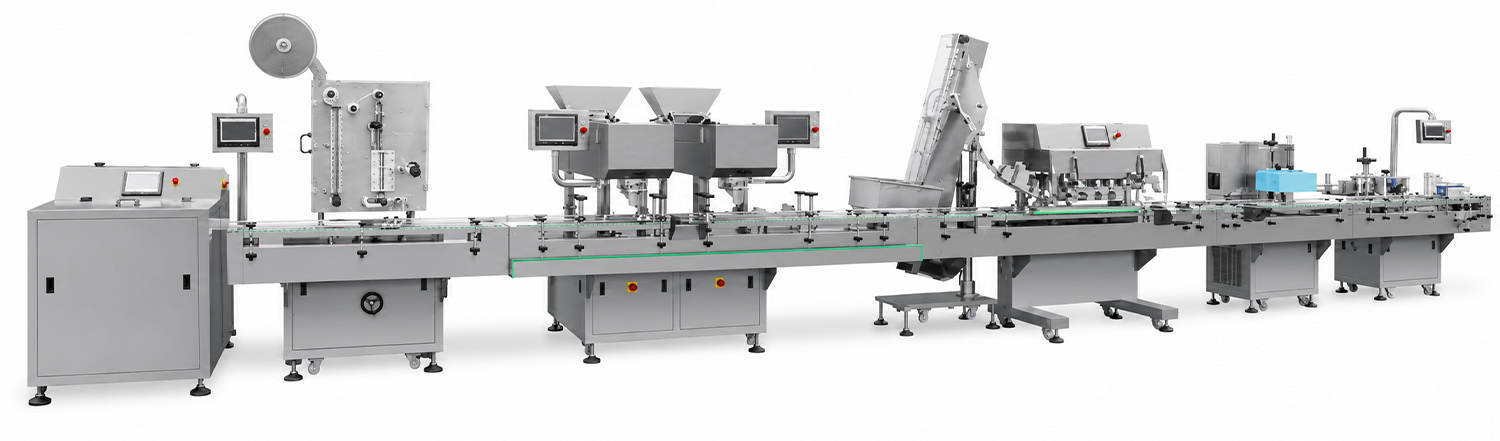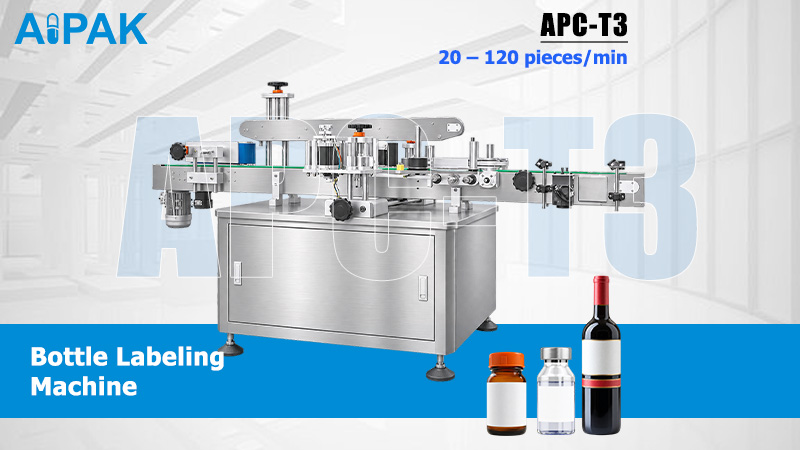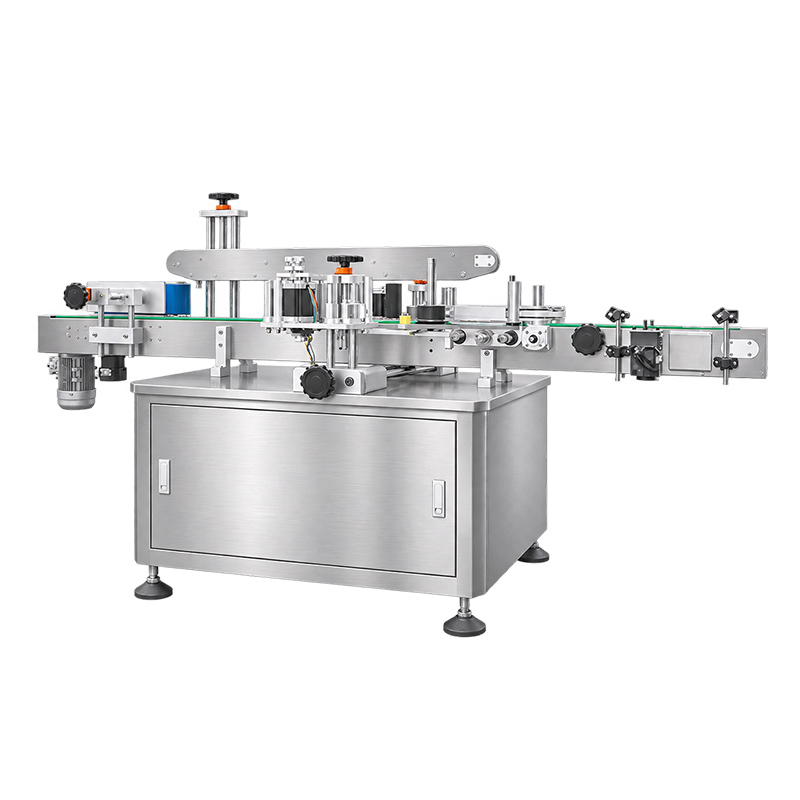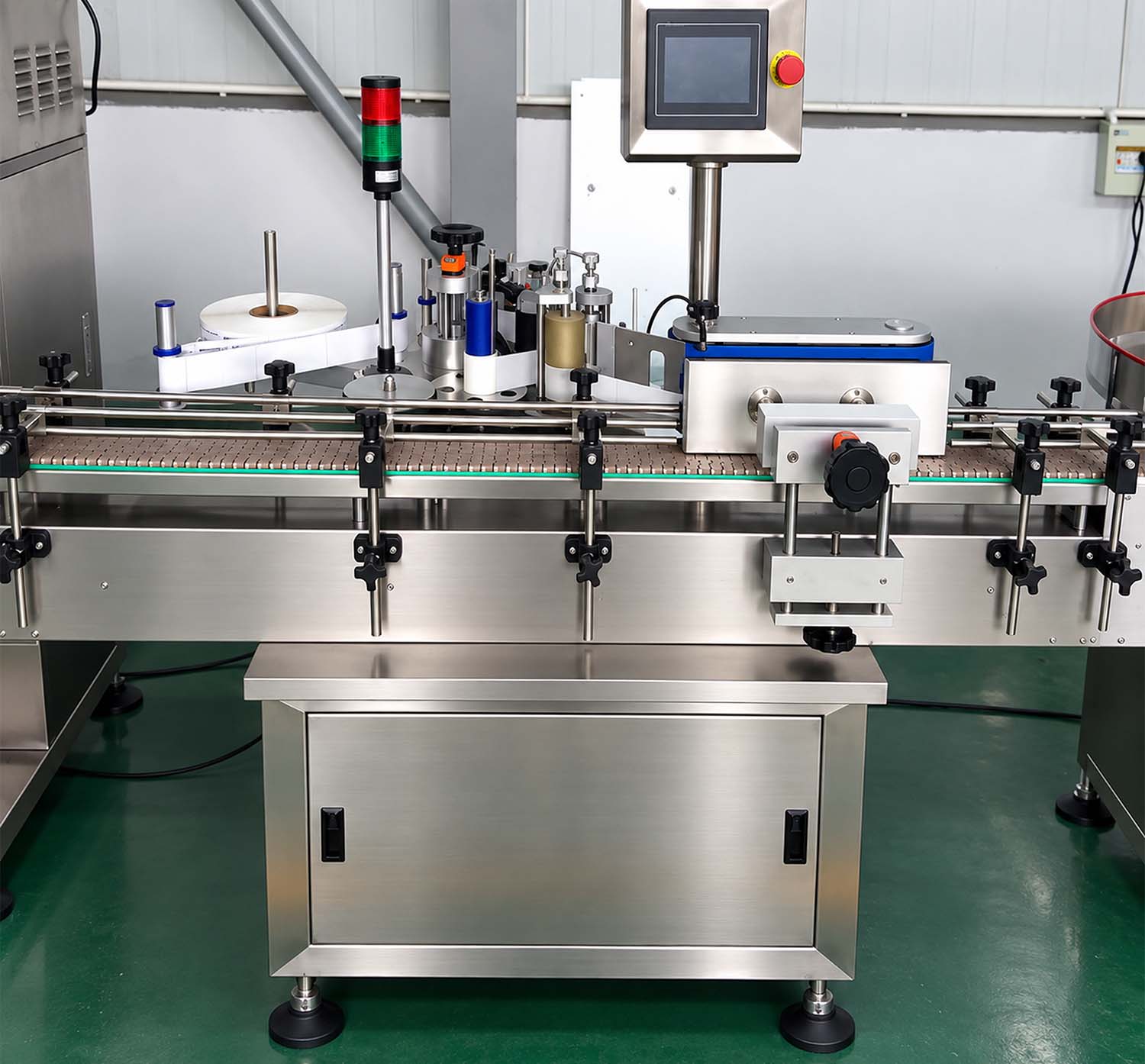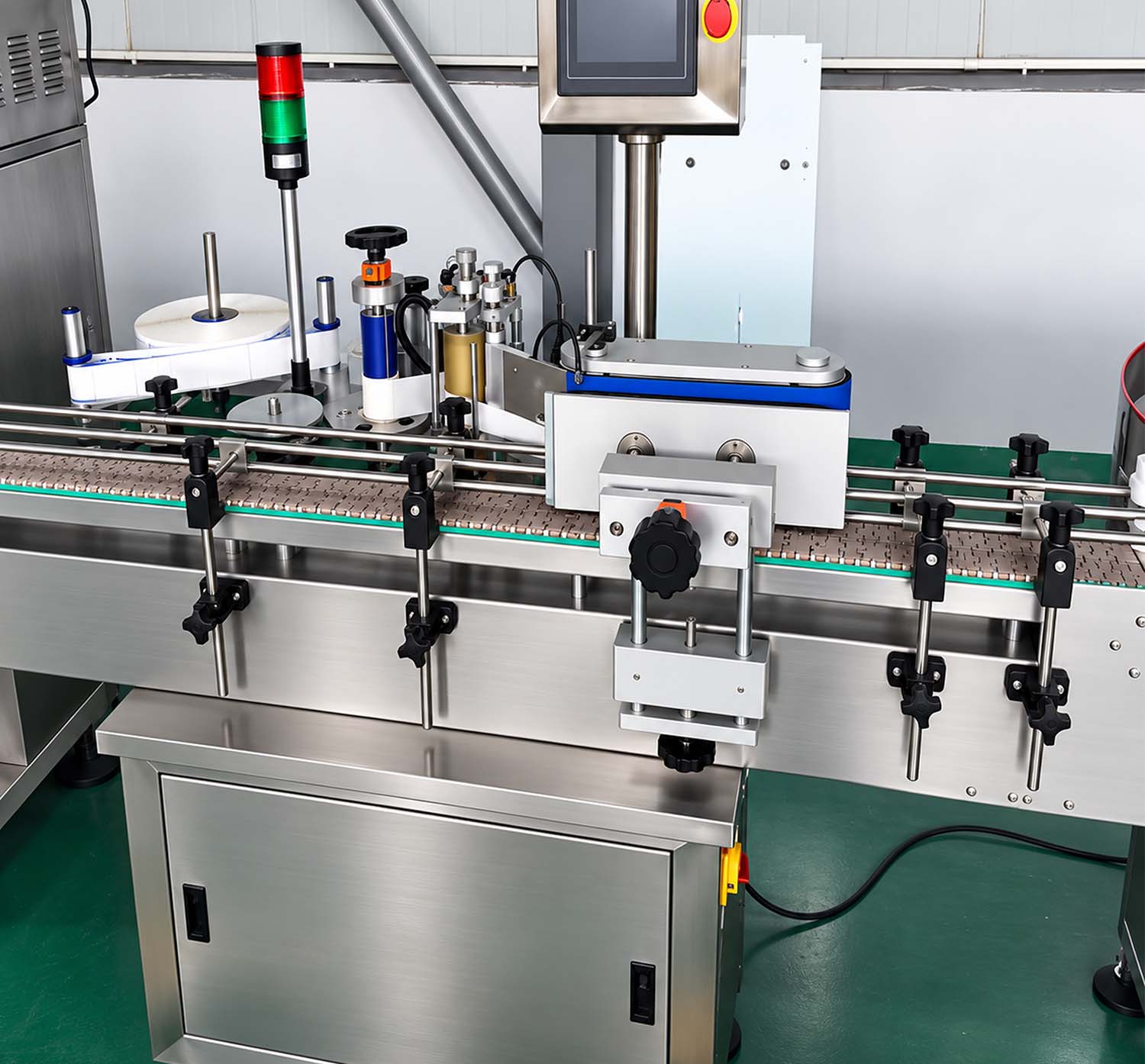
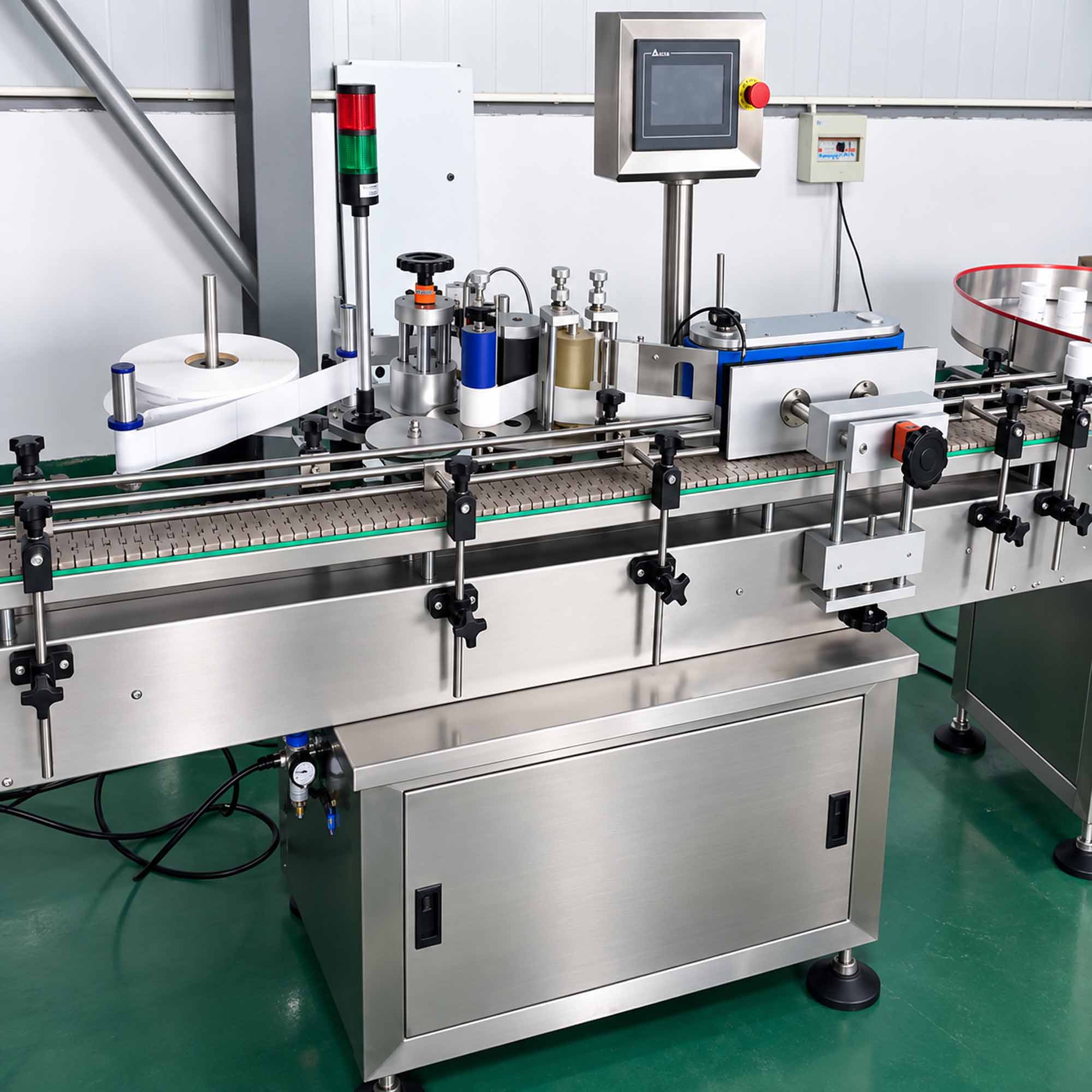
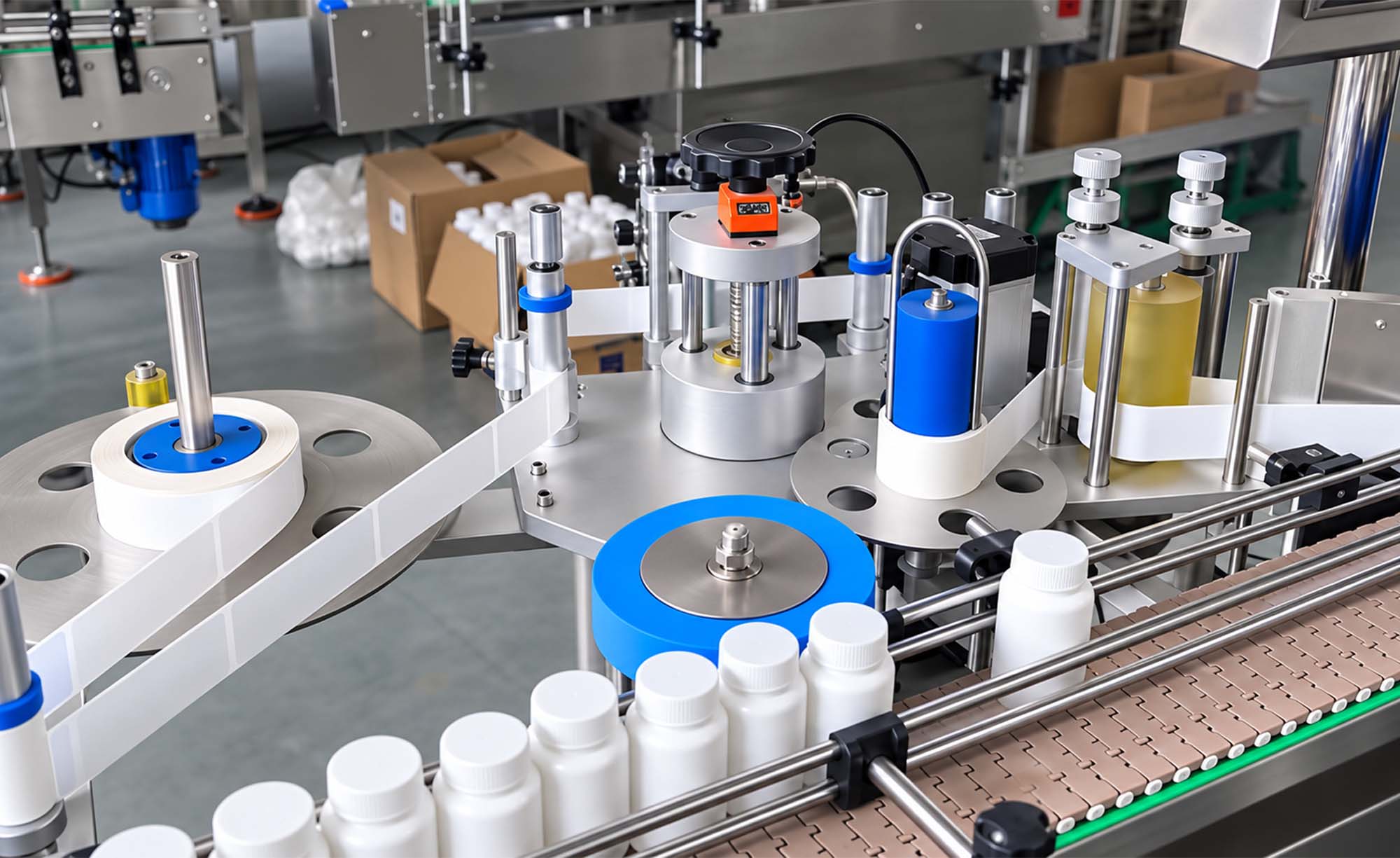
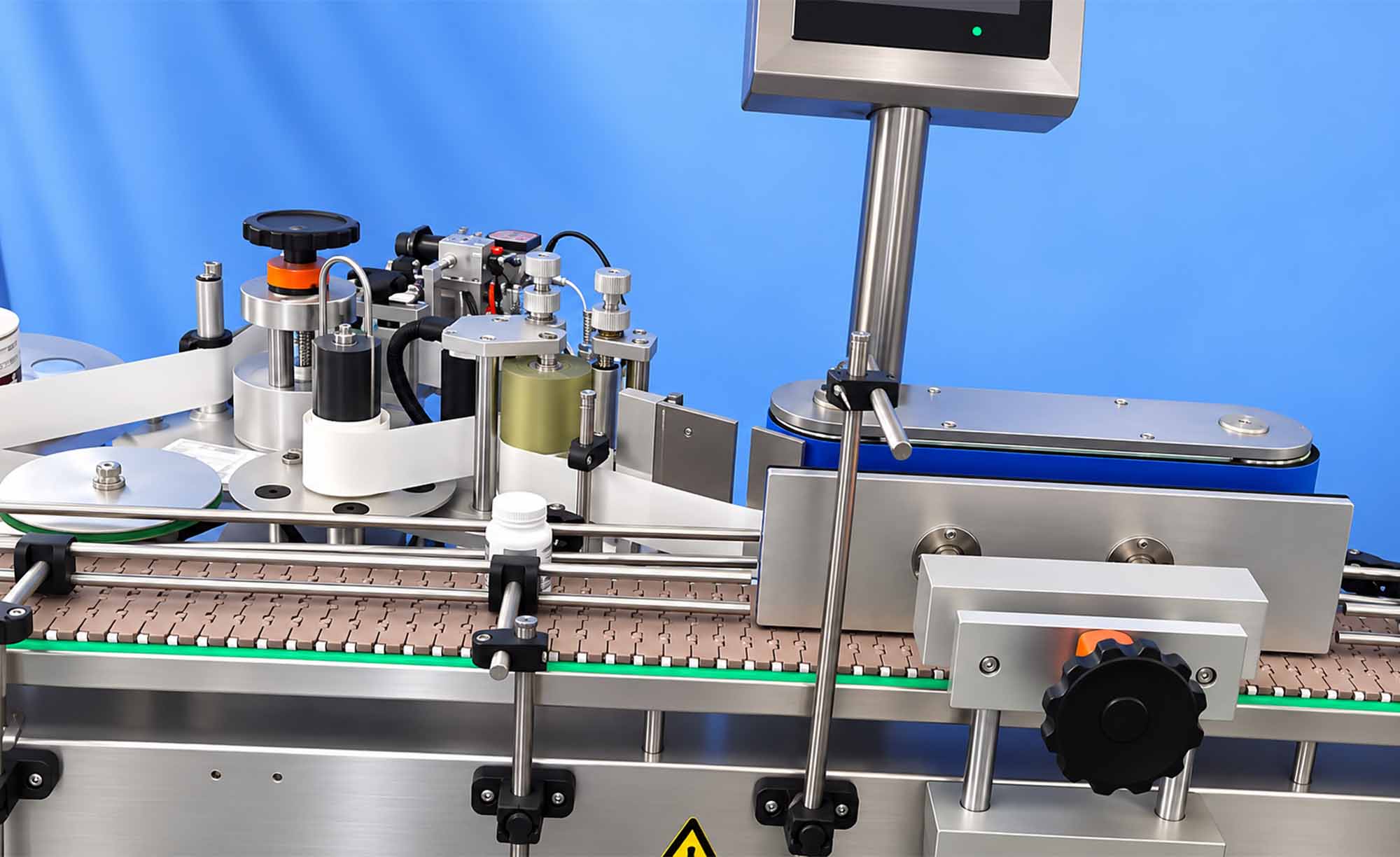
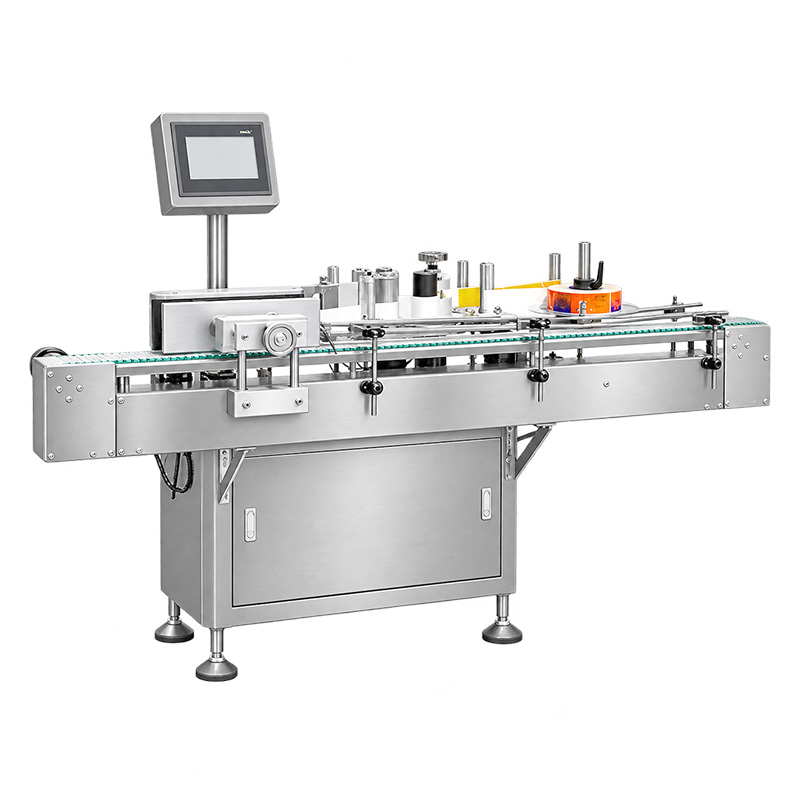
APC-T3 Flat Surface Labeling Machine

The APC-T3 applies a label to the top face of a flat item as it passes underneath, at 20 to 120 pieces per minute. Cartons, lids, pouches, blister cards — anything with a flat top that needs a label, a batch code or a seal placed the same way every time.

  • 20 to 120 pieces per minute— cartons, lids, pouches, trays, blister cards
  • Top face application— the label lands flat, without wrapping or indexing
  • Optional inline inspection— missing or damaged labels rejected automatically

Direct from our factory | Lead time confirmed in your quote | Installation and training available | Spare parts listed in your quote

Is the APC-T3 the right labeler for you?

✓ This is a fit if…

✕ Look elsewhere if…

Technical specification

Parameter

Value

What this means for you

Labeling speed

20 – 120 pieces / min

Match this to your cartoner or pouch machine

Item type

Flat-topped cartons, lids, trays, pouches

The top face has to be flat and level

Item size range

Length 20 – 300 mm, width 20 – 200 mm, height 0.2 – 120 mm

Your pack has to fall inside this

Label size range

Width 15 – 150 mm, length 15 – 250 mm

Check against your artwork

Label roll core / outer diameter

76 mm (3 inch) core, up to Φ300 mm outer diameter

Confirm with your label printer before you order

Labeling accuracy

±1.0 mm (Depending on product flatness and label quality)

How square the label lands, pack after pack

Inline inspection

Optional

Rejects missing, damaged or unprinted labels

Coder

Optional: ribbon date coder, inkjet or thermal transfer printer (TTO)

Prints the batch number and dates on the label as it’s fed

Power

0.15 kW, 60 Hz

Built to your U.S. supply. We confirm the voltage with your quote

Compressed air

0.4 MPa, 0.2 m³/h

Small demand — most existing compressors cover it

Machine dimensions

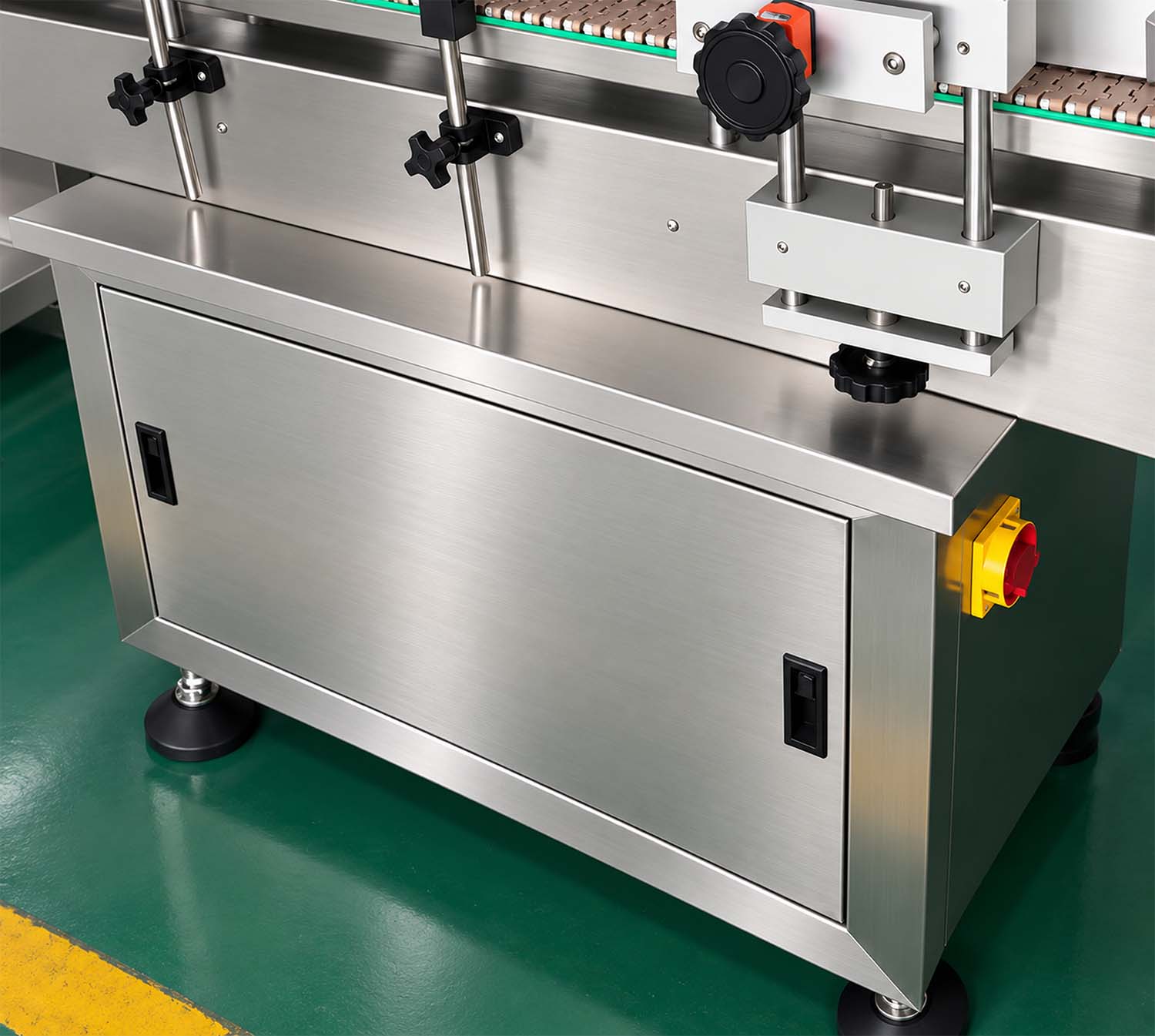
2000 × 700 × 1400 mm

Add conveyor length either side

Machine weight

220 kg

—


The 2000 mm length is the machine itself. Allow conveyor run-in and run-out on both sides so bottles are travelling straight before they reach the applicator.

Model comparison

Model

Speed

Containers

Best for…


APC-T1

20–120 btl/min

Round bottles

One wrap-around label on a round bottle

View →

APC-T2

20–120 btl/min

Square, flat, round

Two, three or four panels

View →

APC-T3

20–120 pcs/min

Flat surfaces

Flat top of cartons, lids, trays and pouches

You are here

APC-T4

100–200 btl/min

Ampoules, vials

Small glass containers handled horizontally

View →

All four use the same pre-feed label system and tensioned web. What changes is how the container is presented to the applicator.

Top face application

The item travels flat and the label is pressed onto the top face from above. There’s no wrapping, no indexing and no turning, which is why this is the simplest and fastest way to label a carton.

The roll-on arrangement is set to your pack. A shallow tray and a tall carton don’t press the same way.

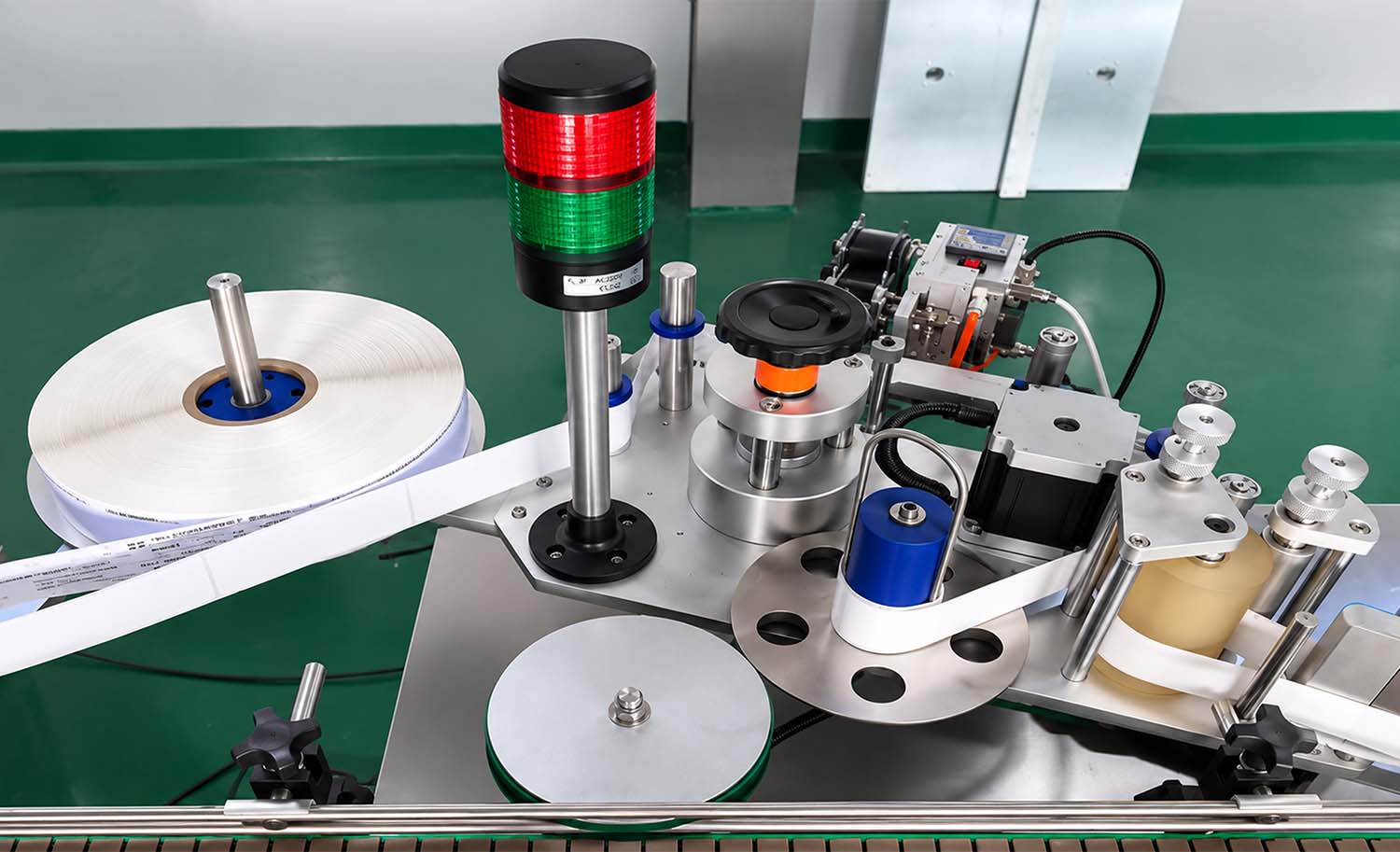
Pre-feed system and tensioned web

The label is staged before the pack arrives, rather than pulled from the roll as it’s applied. Placement stays repeatable as the roll diameter shrinks through a shift.

The web runs under controlled tension. That’s what keeps the coder printing cleanly and every label fed to the same length.

Optional inline inspection

An inspection system can be fitted to check each pack for a missing label, a damaged label or missing print, and reject the ones that fail.

If your packs go to retail, this is the station that catches what an operator won’t at 120 a minute. It’s optional — tell us whether your customer requires it.

Ideal Applications & Industries

Cartons from a cartoning line

A tamper-evident label across the carton flap, applied as the carton leaves the cartoner. Placement matters here — a seal that’s offset doesn’t cover the flap it’s meant to secure.

Jar and tub lids

Powder tubs and gummy jars often carry the batch code on the lid rather than the body. The lid travels flat, which is exactly what this machine is for.

Pouches and sachets

A flat-lying pouch takes a top label the same way a carton does. If your pouch has a gusset or won’t lie flat, send us a sample before you order — that changes the applicator setup.

What changing over involves

What you changed

What gets adjusted

Roughly how long

New label roll, same pack

Load the roll, thread the web

15–60 minutes

Different label size

Label length setting, coder position

15–60 minutes

Different pack height

Applicator height

15–60 minutes

Different pack footprint

Conveyor guides, label position setting

15–60 minutes

Height changes are one adjustment. Since nothing wraps or indexes, changing pack height is repositioning the applicator. That’s the whole job.

Keep a settings sheet by the machine. Applicator height, label length and coder position for each SKU. Written down, a repeat changeover takes a fraction of the first one.

Label supply changes matter more than they look. A different backing thickness or core diameter changes how the web feeds. If you switch label printers, run a test before you run a batch.

Three things to check before you buy any labeling machine

01

Label placement, bottle after bottle

One label applied straight in a demo proves nothing. Ask how consistent placement is across a full roll, as the roll diameter shrinks. We run your bottles with your labels at factory acceptance testing before the machine ships, and you see the results.

02

The manual

Your operator threads the web, sets label length and adjusts the applicator. They need an English manual with the settings procedure in it — not a translated parts list. Ask to see it before you order.

03

Installation and training

The machine runs out of the crate. Getting it labeling cleanly across all your SKUs takes someone who's set one up before. Our engineers install it, dial in each of your bottles, and show your operators how to diagnose a crooked label.

Why Choose AIPAK?

One Point of Contact

One project engineer handles your machine from proposal to commissioning, so you’re not chasing five suppliers for one answer.

We Run Your Container and Label Before You Order

Send us your container and a roll of your label. We run them on the machine and send you photos. You decide whether to talk quotes after that.

A U.S. Number, Answered by Us

+1 (213) 526-8644, answered by our engineers 9 AM–7 PM China time, Monday to Friday. That’s evening and overnight in the U.S., so leave a message or send a WhatsApp anytime and we’ll pick it up first thing.

Spare Parts and Lead Time, in Writing

A kit of wear parts ships with your machine. Every part in the kit, and the lead time for anything outside it, is listed in your quote in writing.

Deep Dive FAQ

How much does a flat surface labeling machine cost?

It depends on your pack size range, your line speed, and whether you want inline inspection and a coder. Send us a sample pack and your artwork and we’ll reply within one business day.

What can it label?

Anything with a flat top face that travels flat — cartons, lids, trays, pouches, blister cards. If the top is domed or the pack won’t lie flat, send us a sample and we’ll tell you whether it runs.

What does the inline inspection option do?

It checks each pack for a missing label, a damaged label or missing print, and rejects the ones that fail. Whether you need it usually depends on your retail customer’s requirements.

Why are my labels landing off-center?

Usually the pack isn’t travelling straight when it reaches the applicator, or the guides are set for a different footprint. Both are adjustments to the conveyor, not the applicator.

Can it apply a tamper seal across a carton flap?

Yes — that’s one of the more common uses. Tell us your carton dimensions and where the seal has to land, and we’ll set the position before the machine ships.

Does it print batch codes and expiry dates?

Yes, the machine can be equipped with an optional date coder (such as a ribbon printer or inkjet coder). It can automatically print batch numbers, manufacturing dates, and expiry dates directly onto the labels during the labeling process.

Does it work on US 60Hz power?

Yes. We build to your U.S. supply at 60 Hz and confirm the voltage with your quote.

Do your machines meet US electrical certification requirements?

Yes. Our machines are certified and use certified electrical components. Because the exact scope depends on the model and electrical configuration you select, our factory confirms it in writing before production.

How do spare parts work?

A kit of wear parts ships with your machine. Every part in the kit, and the lead time for anything outside it, is listed in your quote in writing.

Customers Also Interested In...

Send us a sample pack and your label

We’ll run it on our own machine and send you a photo before you commit. If your pack won’t lie flat, we’ll tell you that instead of selling you a machine that can’t hold placement.

Send your line layout and we’ll show you where the labeler fits and how much conveyor length you need either side.

Scroll to Top