
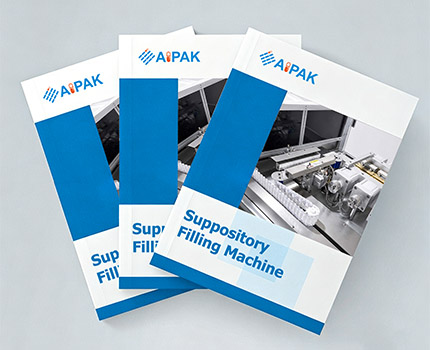
Suppository Filling Machine

Suppository Filling and Sealing Lines, from Pilot Batches to 12,000 an Hour

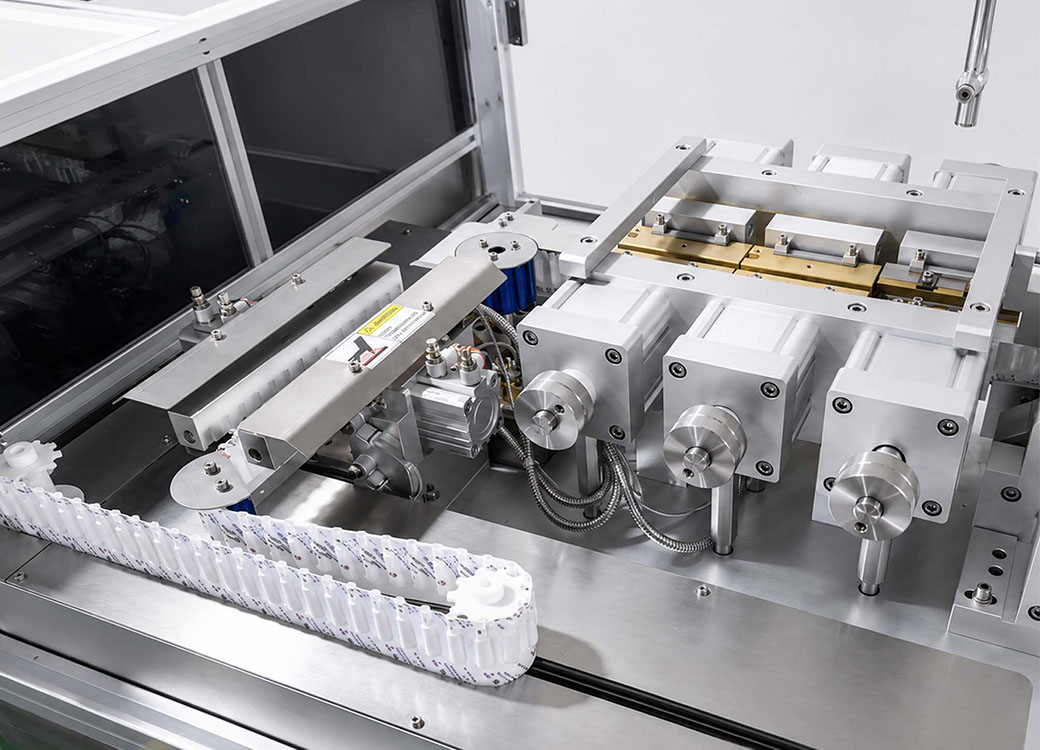
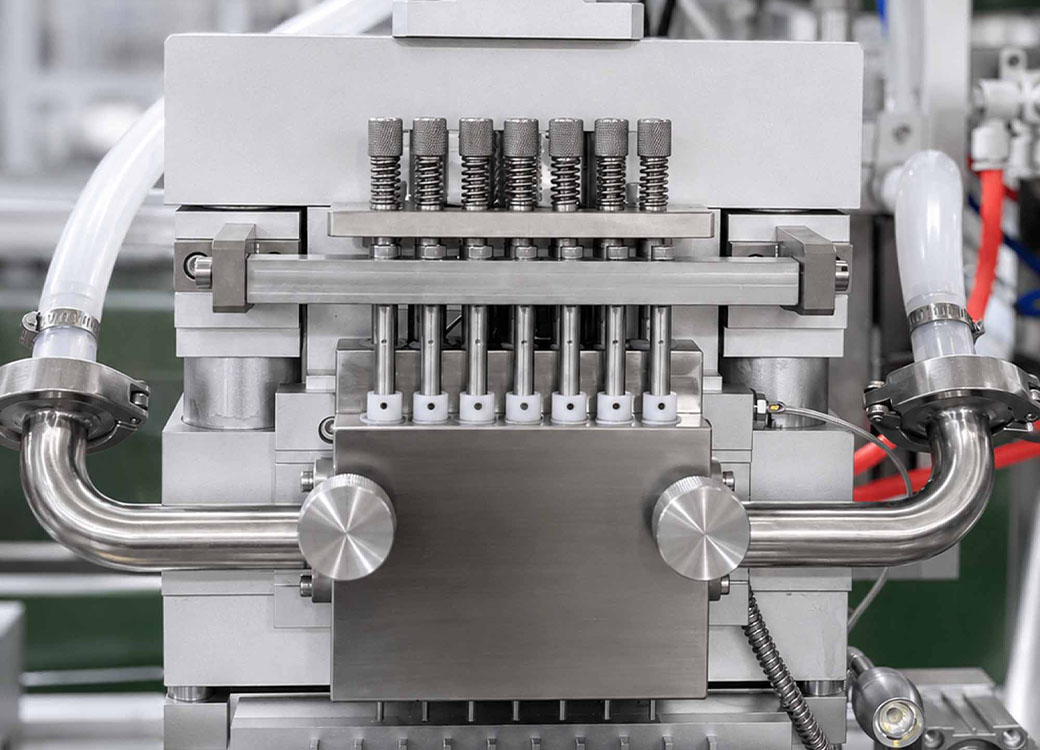
Three models — a pilot machine for formulation trials, and two production lines that form, fill, cool, seal and cut in one line.

1,000–12,000 an Hour
Hard Fat, Gelatin and PEG
Easy-Tear Strips

Why Choose Our Suppository Filling Machine?

Easy-Tear Strips

Easy-Tear Strips

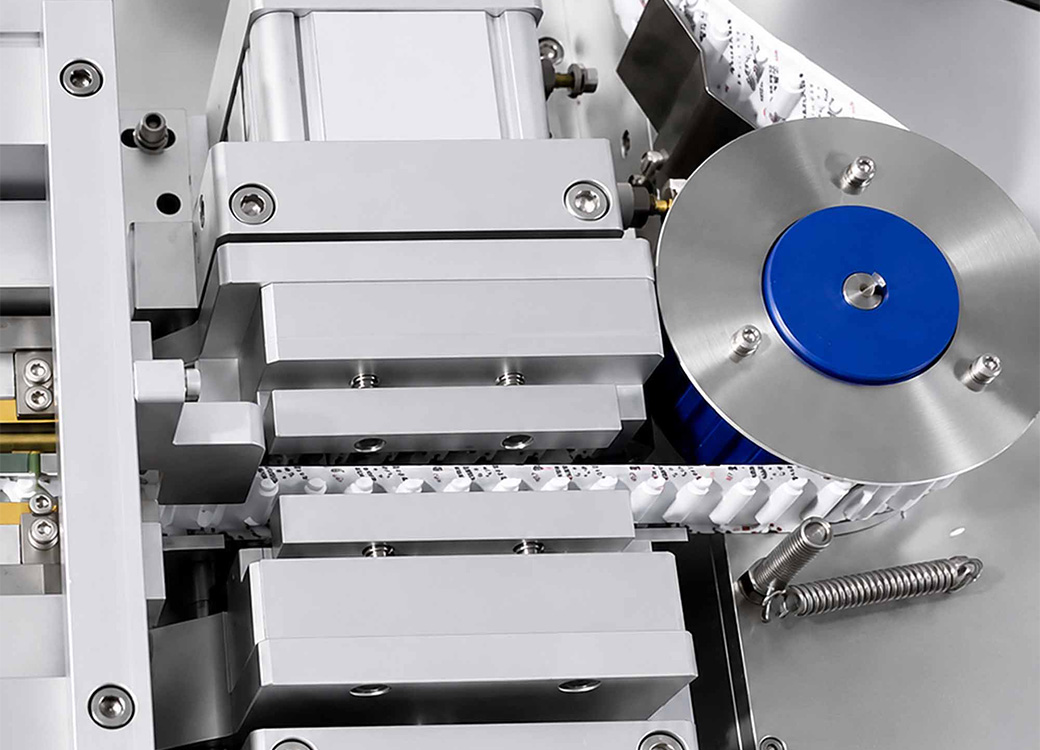
The triangle notch and the dotted tear line are cut by one combined knife, so they always line up. On the SJ-3L and SJ-7L.

Heated, Stirred Base Tank

Heated, Stirred Base Tank

316L stainless, heated and insulated, with a stirrer and circulation so the base stays mixed and liquid from the first suppository to the last.

Static Removed Before Filling

Static Removed Before Filling

Film picks up static at speed, and static pulls base up the shell wall toward the seal. The production lines neutralize it just before filling.

Graded Cooling

Graded Cooling

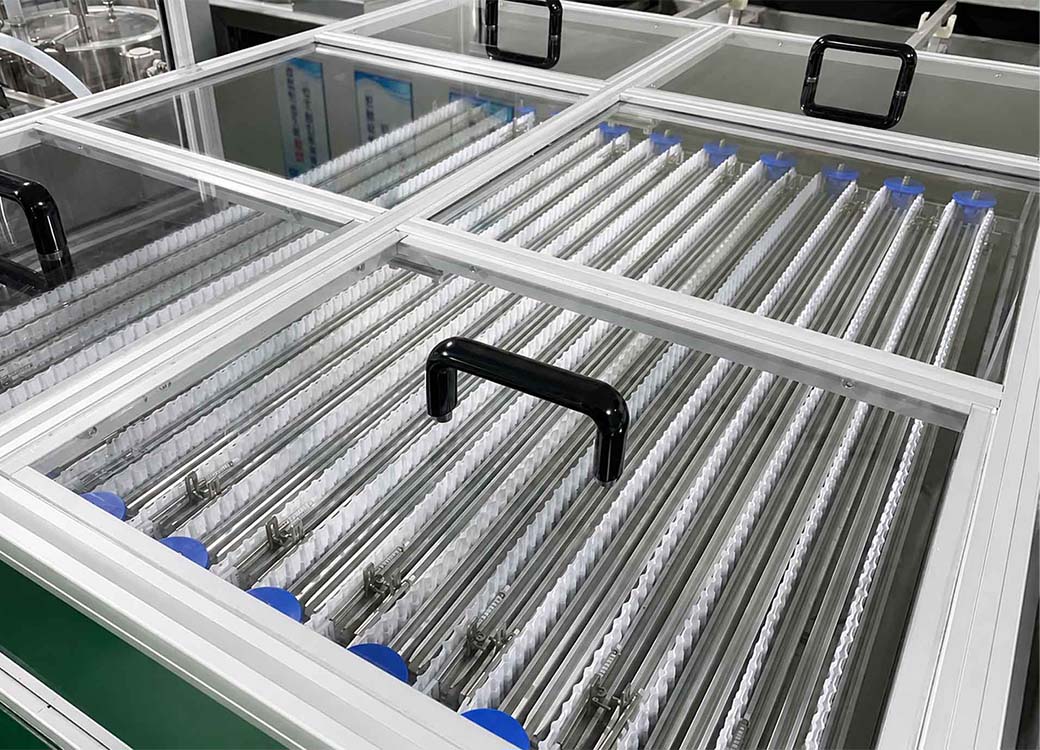
Filled strips set gradually through stepped cooling zones, so the tail edge stays thick and the strip tears cleanly. On the SJ-3L and SJ-7L.

Three Models, One Question: Where Are You in the Process?

Still developing the formulation?

The SJ-1L runs pilot batches of 1,000–1,500 an hour, so every trial is made the same way.

Ready for production?

The SJ-3L forms its own shells and runs 5,000 an hour.

Running at volume on printed film?

The SJ-7L runs 10,000–12,000 an hour, with servo filling, color-mark registration and empty-shell rejection as standard.

Industry Applications

Pilot Batches and Formulation Trials
Over-the-Counter Retail Strips
Boric Acid and Probiotic Vaginal Suppositories
Contract Manufacturing

Model comparison

Model Output Filling heads Fill adjustment Shell forming Easy-tear cutter Weight
SJ-1L 1,000–1,500/h 3 Manual No — pre-formed shells — 450 kg
SJ-3L 5,000/h 3 Manual, servo optional Yes Yes 1,000 kg
SJ-7L 10,000–12,000/h 7 Servo Yes Yes 2,000 kg
Send Us Your Base

Post us a sample of your base. We’ll run it and send back finished suppositories.

Documentation & Selection Support

Download the catalog and the CE certificate, or send us your base for a sample run.

Product Portfolio

Product Portfolio

Specifications for all three models, from the SJ-1L to the SJ-7L.
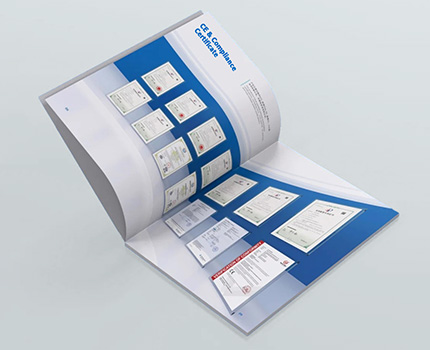
Quality Assurance

Quality Assurance

CE certificate for our suppository filling machines.
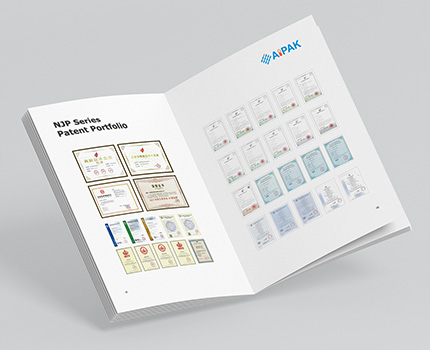
Technical Standards

Technical Standards

Detailed insights into the core patented technology of our SJ suppository production lines.

Suppository Filling Machine Technical FAQ

What shapes and fill weights can the SJ machines handle?

Bullet, torpedo and duck-bill, or a custom shape with its own mold. Fill is 0.5–5 ml on the SJ-1L and 0.5–5 g on the SJ-3L and SJ-7LS. On the SJ-1L you change shape by changing the mold; on the production lines one handle adjusts the rail spacing through the cooling tunnel, so the chain stays on.

How do the machines keep the base from settling or setting in the tank?

Every model has a heated, insulated 316L tank with a variable-speed stirrer, from 20 L on the SJ-1L to 70 L on the SJ-7LS. The production lines add a circulation pump that loops the base through insulated, temperature-controlled lines, so it doesn’t sit still and set in the pipework.

How accurate is the fill, and does it drip?

Fill accuracy is ±2%. The SJ-7LS fills with servo-driven pistons as standard; on the SJ-3L servo filling is an option. On the servo models the fill is set on the touchscreen. Each nozzle cuts off cleanly at the end of the stroke, so base doesn’t drip onto the seal area.

Why are the filling pump cylinders polished inside?

Sticky bases such as glycerinated gelatin or herbal blends build up on a rough cylinder wall, the dose drops and the pump has to come off for cleaning. The cylinders are mirror-polished inside, so less base sticks, the dose holds steadier and you stop less often to clean.

Why cut the tear notch and the dotted line at one station?

When the notch and the dotted line are cut at two stations, the film can stretch between them and the two cuts drift apart, leaving a jagged tear. On the SJ-3L and SJ-7LS one combined knife cuts both at once, so they line up and the strip tears along the line.

How does cooling prevent cracks and hollow centers?

If the base is chilled too fast, it shrinks unevenly and can crack, hollow out or crumble at the edge when the strip is torn open. On the SJ-3L and SJ-7LS the filled strips pass through stepped cooling zones fed by a water chiller, so the base sets evenly and the tail edge stays thick enough to cut cleanly.

How do the lines deal with static on the film?

Film running at speed picks up static, and static pulls base up the shell wall toward the seal. The SJ-3L and SJ-7LS have an anti-static bar over the open shells just before filling, so the base settles in the shell and the seal area stays clean.

Send Us Your Base and Your Shape

Two things decide how this machine runs for you: the base, because each one melts and sets at a different temperature, and the shape, because each shape needs its own mold. Tell us both and your fill volume, and we’ll tell you what to expect.

Better still, send us a sample of your base. We’ll run it and send back finished suppositories, so you can check the fill and the seal on your own formulation.

  • Direct from our factory
  • Lead time confirmed in your quote
  • Installation and training available
  • Spare parts listed in your quote

No sales calls — we reply by email or WhatsApp, whichever you gave us.

Scroll to Top