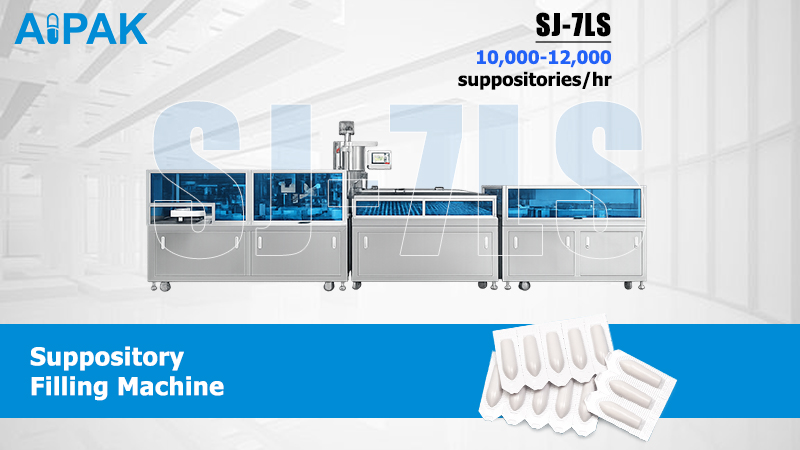
SJ-7LS Suppository Production Line — 10,000 to 12,000 an Hour
Seven servo filling heads, color-mark registration and empty-shell rejection as standard
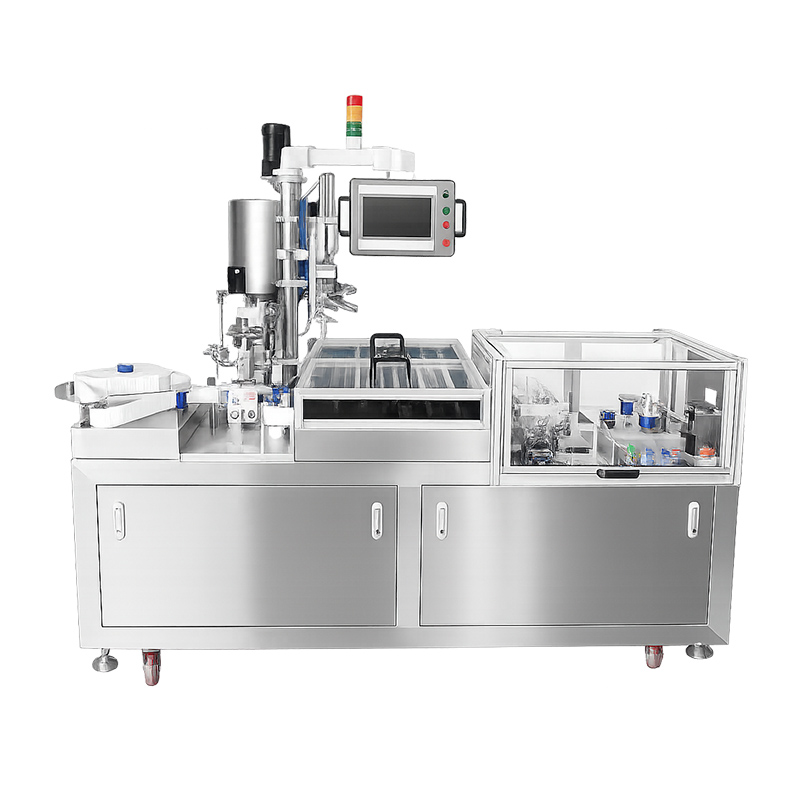
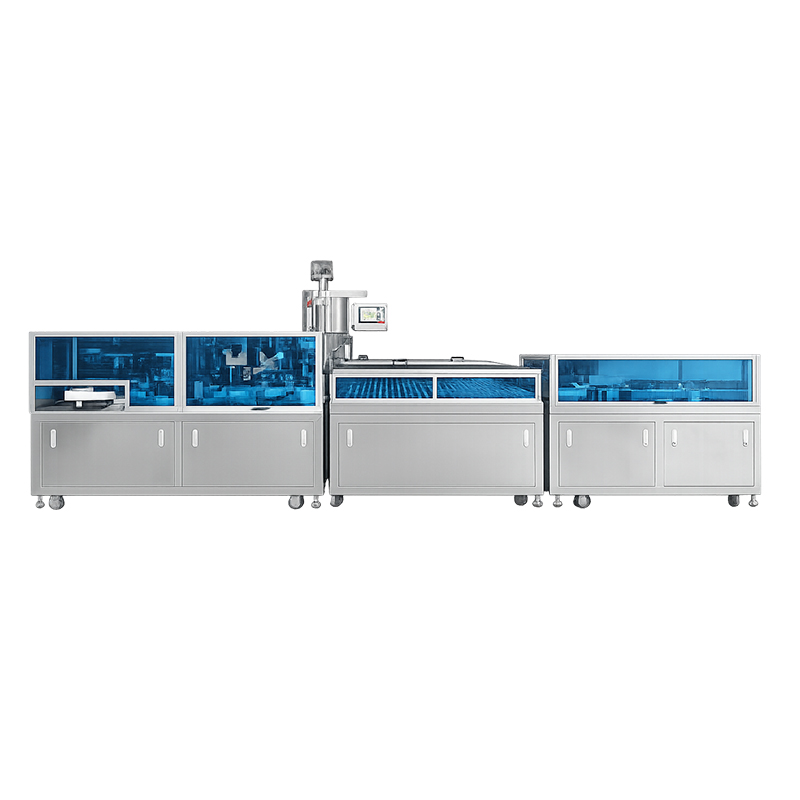
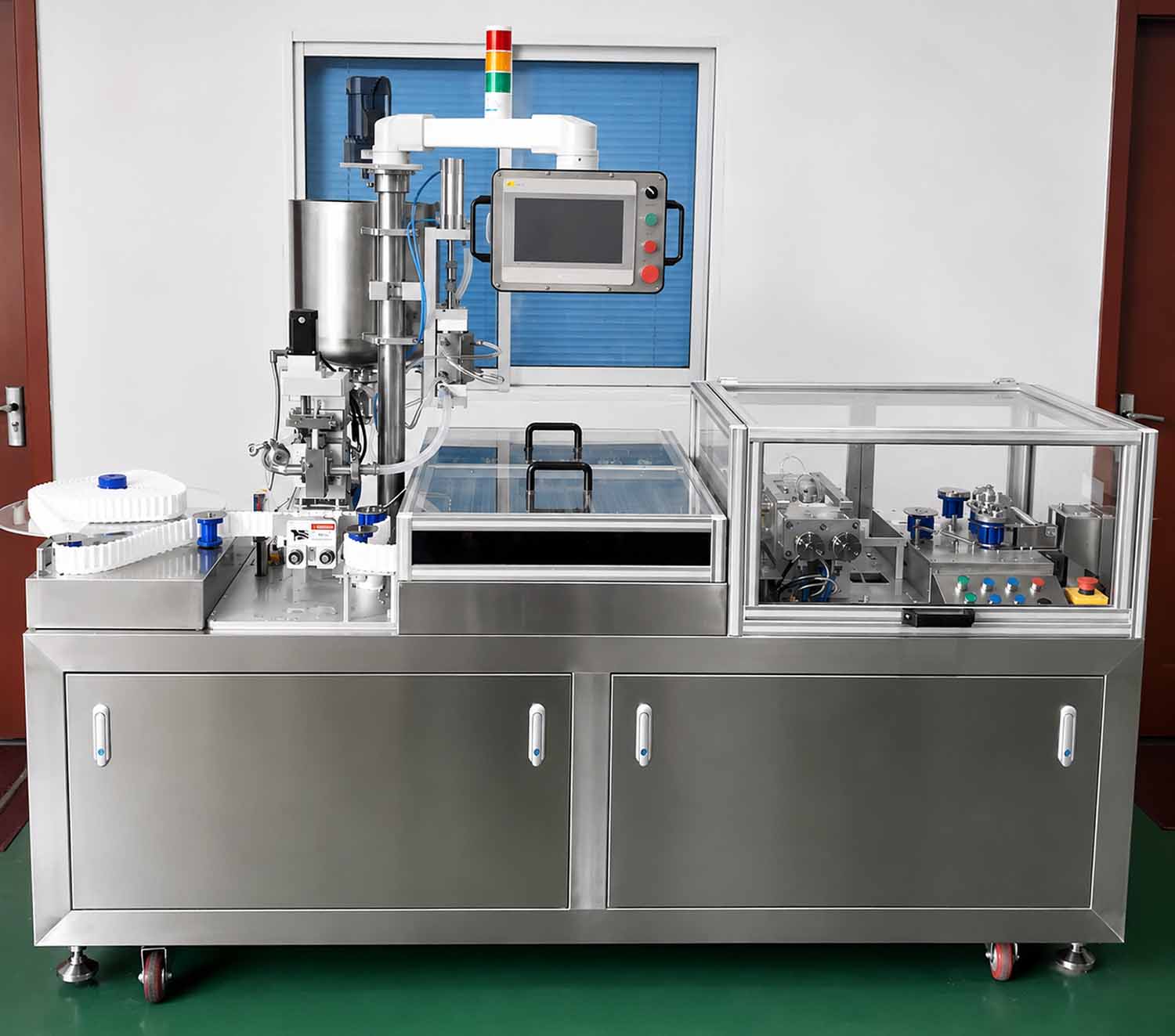
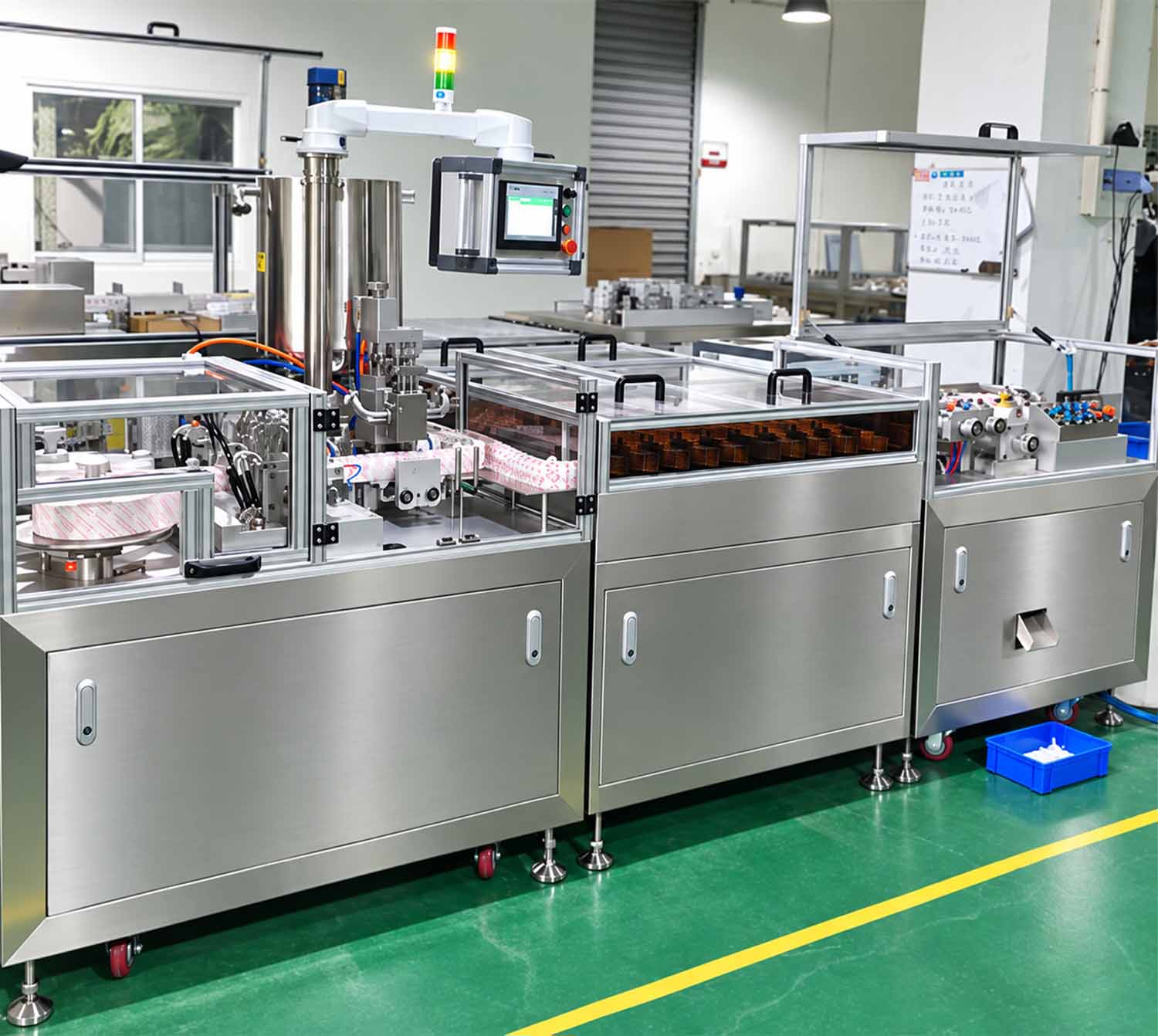
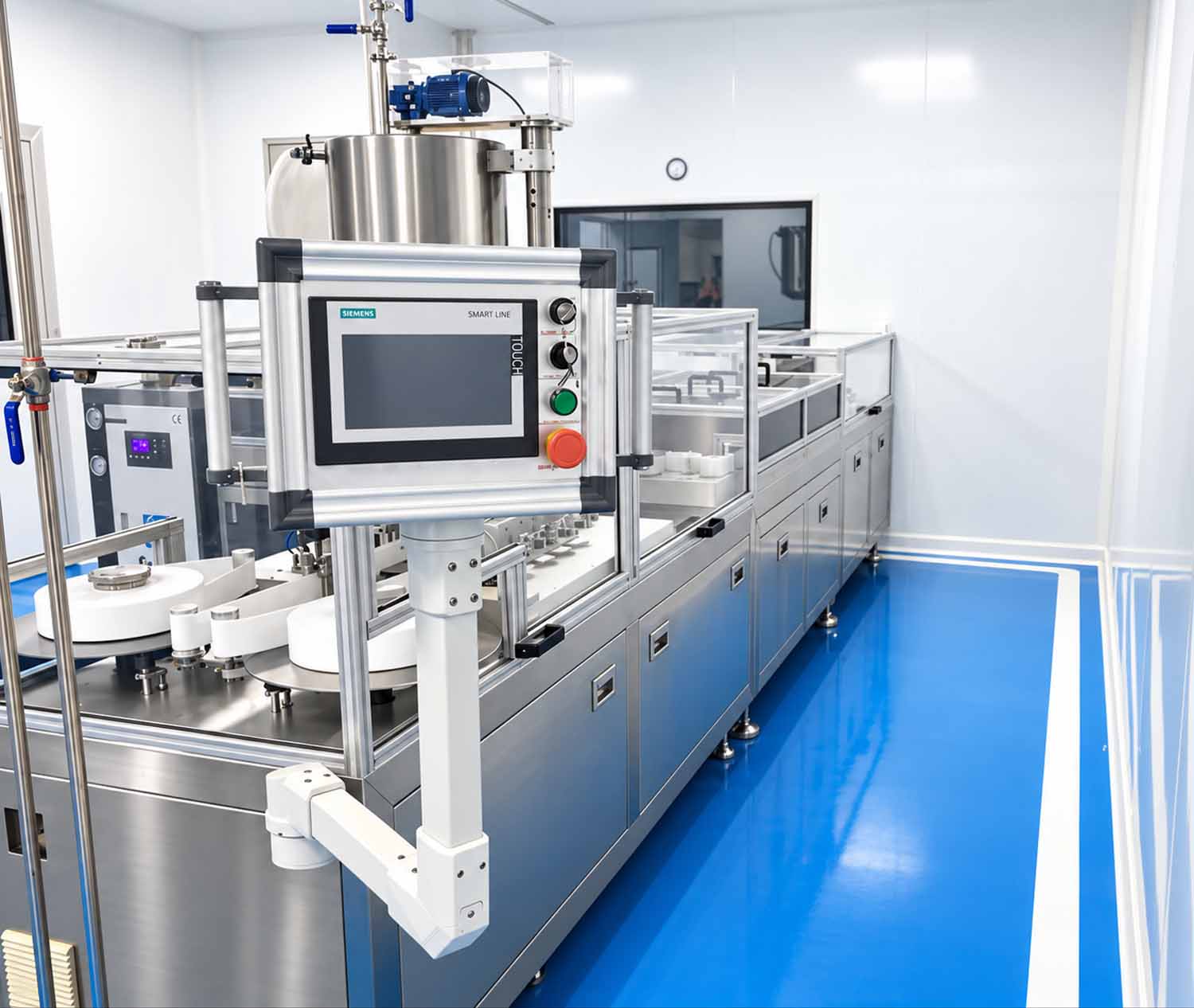
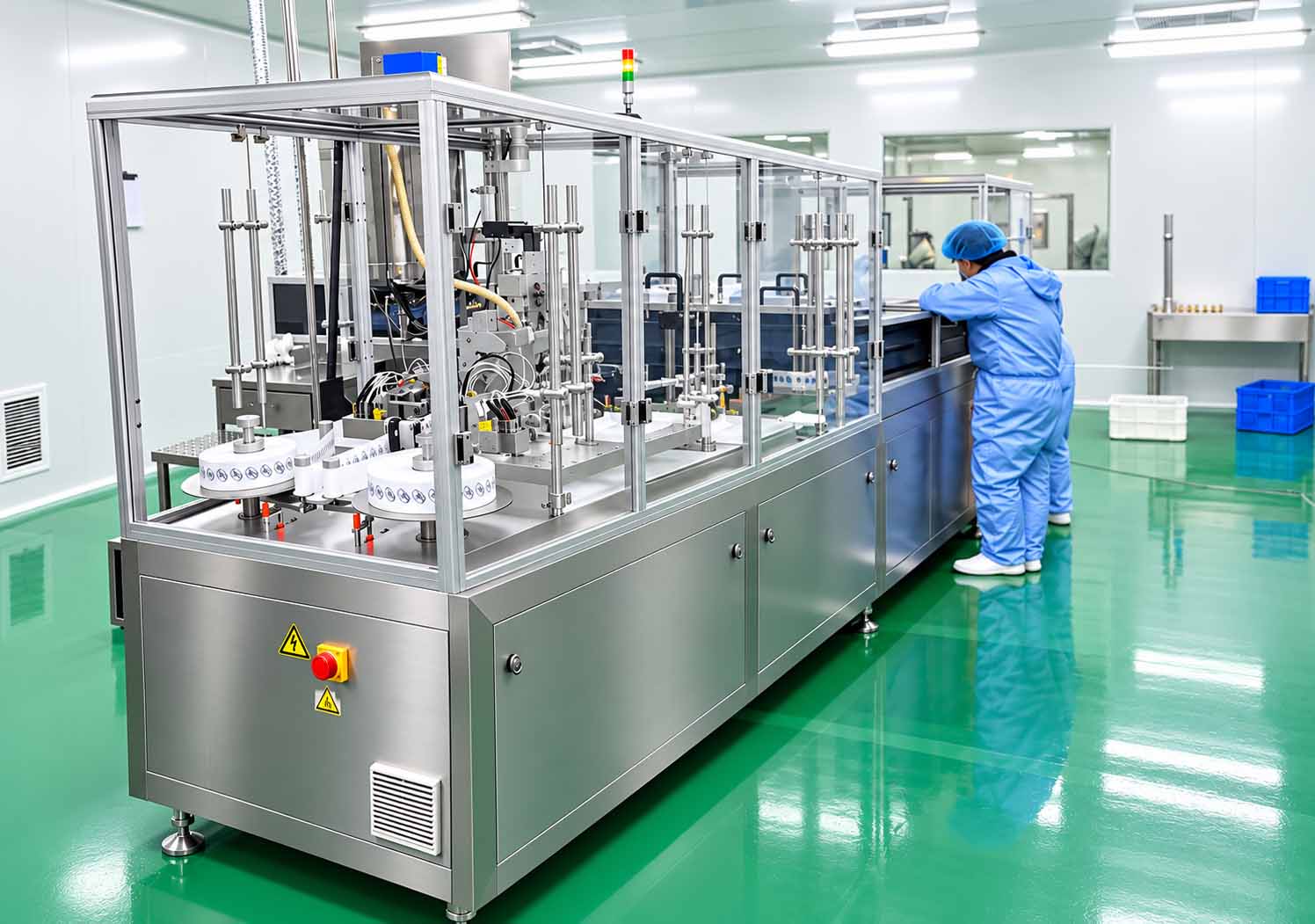
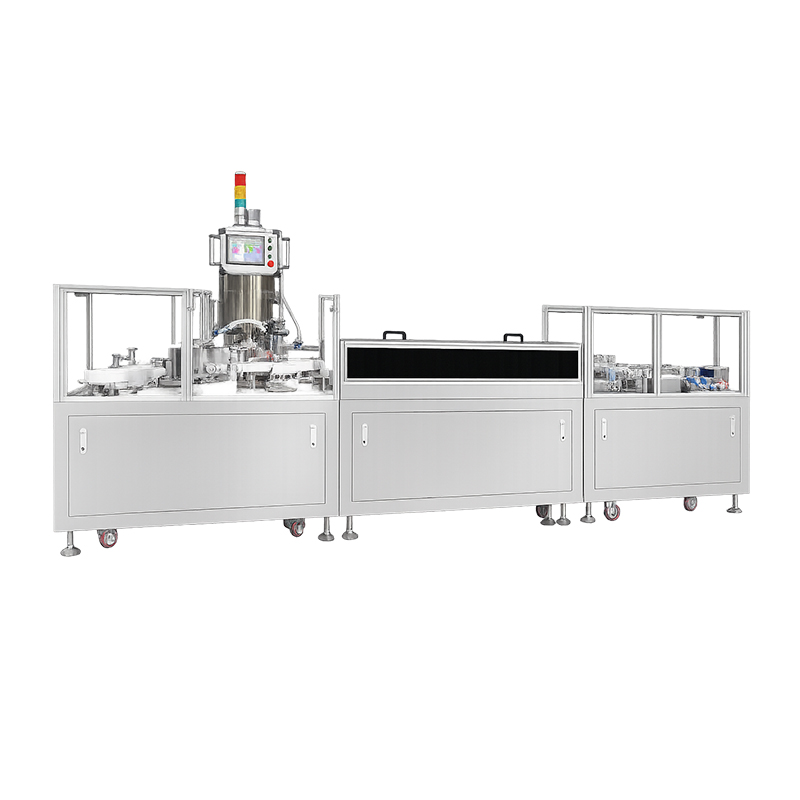
At this output the problems that matter are the ones you can’t see at a glance — a shell that didn’t form, printing that drifts off the seal. This line checks for both. Seven servo-driven heads fill the base, a color-mark sensor keeps the printed film in register, and empty or collapsed shells are detected and rejected before sealing. Shells are formed, filled, cooled, sealed and cut in one line.
1. Output: 10,000 to 12,000 suppositories an hour, seven filling heads
2. Servo filling: fill volume set on the touchscreen for every head
3. Color-mark registration: printed film stays in register at speed
4. Empty-shell rejection: collapsed or empty shells removed before sealing
Is the SJ-7LS the right size for you?
✓ This is a fit if…
- You need 10,000 an hour or more
- You run printed film and need the print to land on the same place on every strip
- You can't afford empty or collapsed shells reaching the customer
- You have space for a 6 m line and 2,000 kg of floor loading
✕ Buy something else if…
- 5,000 an hour is enough → the APK-SU3 does it on a 3.6 m line, with servo filling and rejection as options
- You're still developing the formulation → the APK-SU1 runs pilot batches
- Your site runs 208 V or 480 V at 60 Hz → Custom builds available for U.S. standards: 208 V or 480 V, 3-Phase
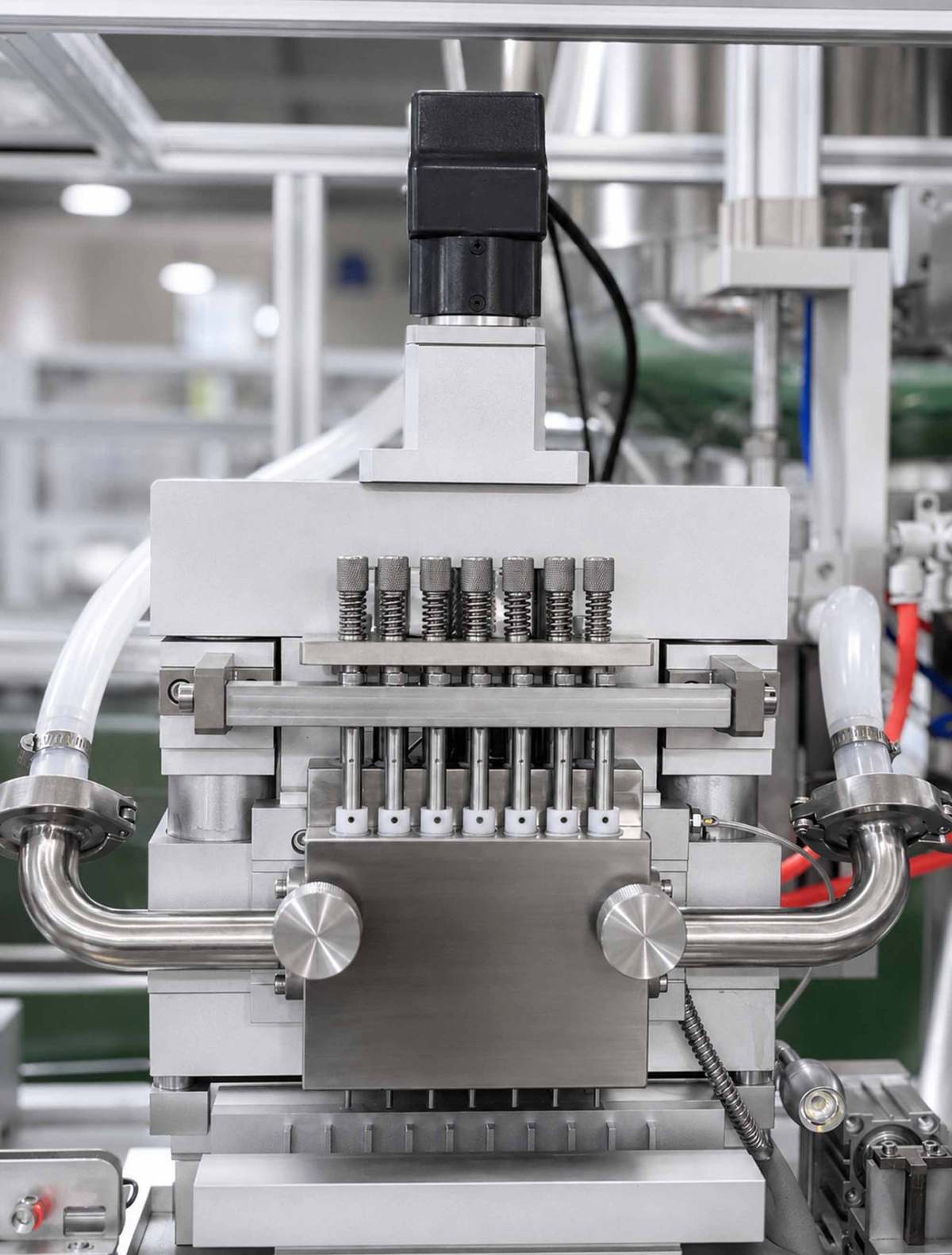
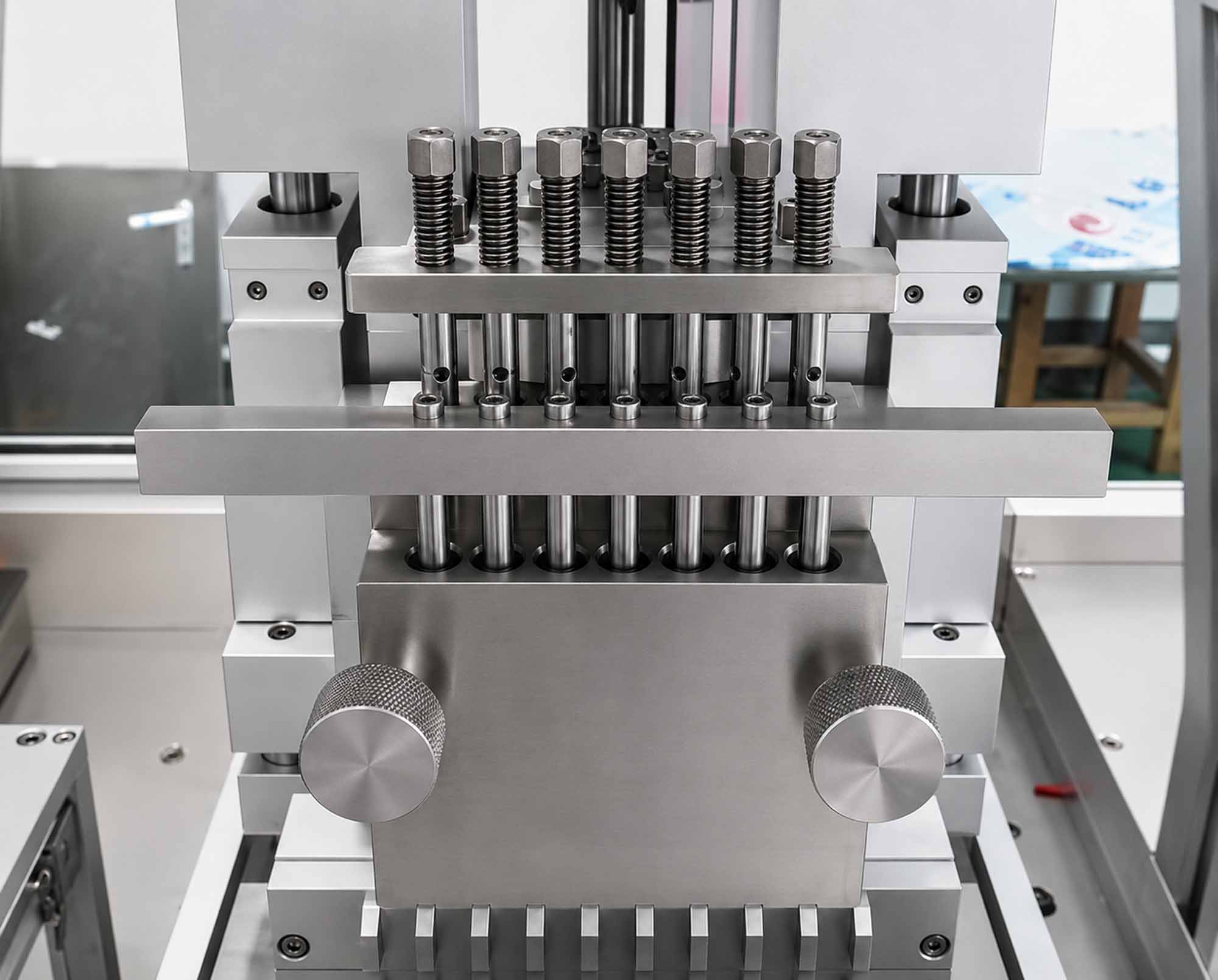
Seven Servo Filling Heads
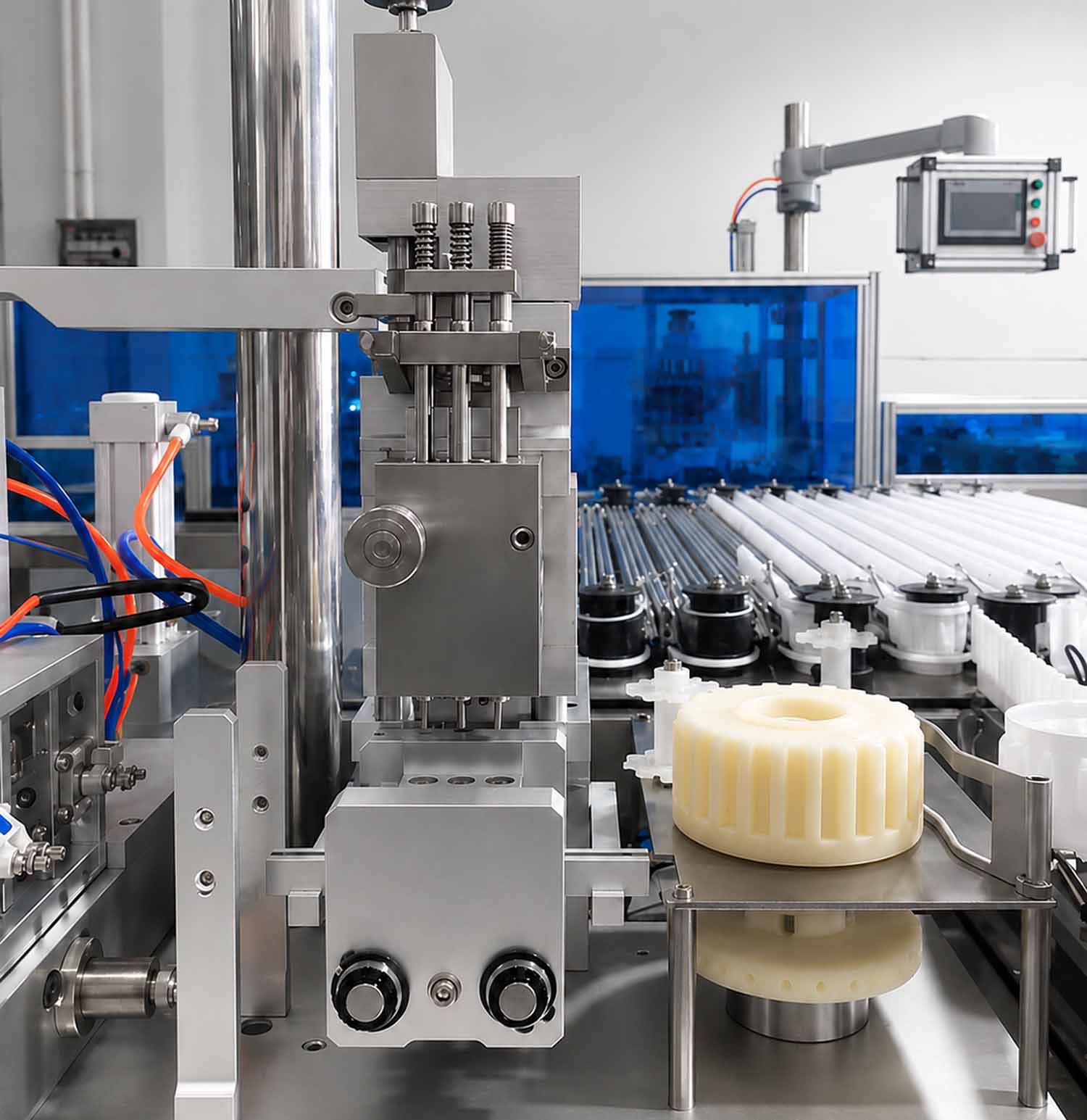
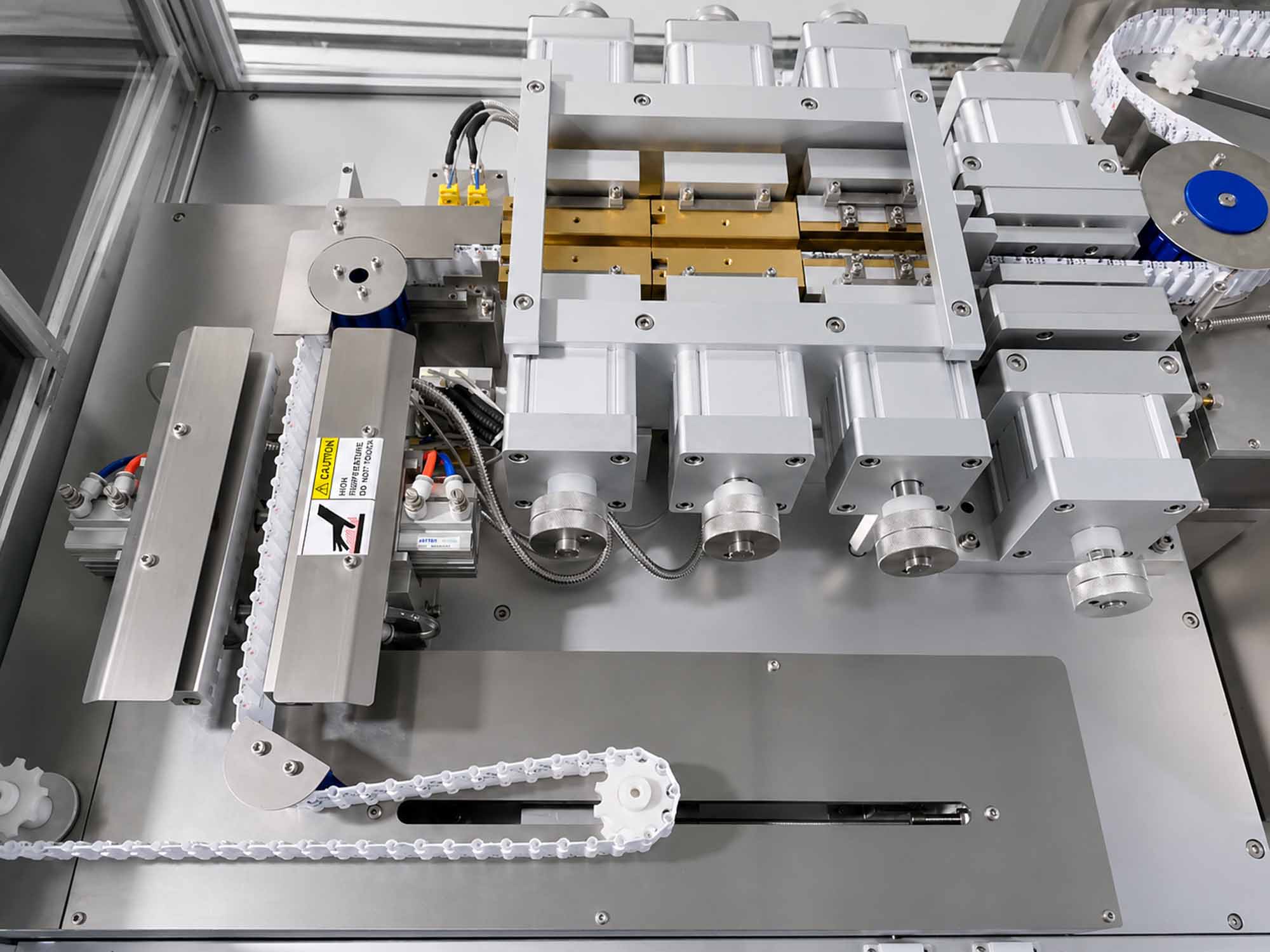
Each head is a plunger pump driven by its own servo, with its fill volume set on the touchscreen rather than by a hand-turned stop. Changing the fill is a number on the screen.
Color-Mark Registration
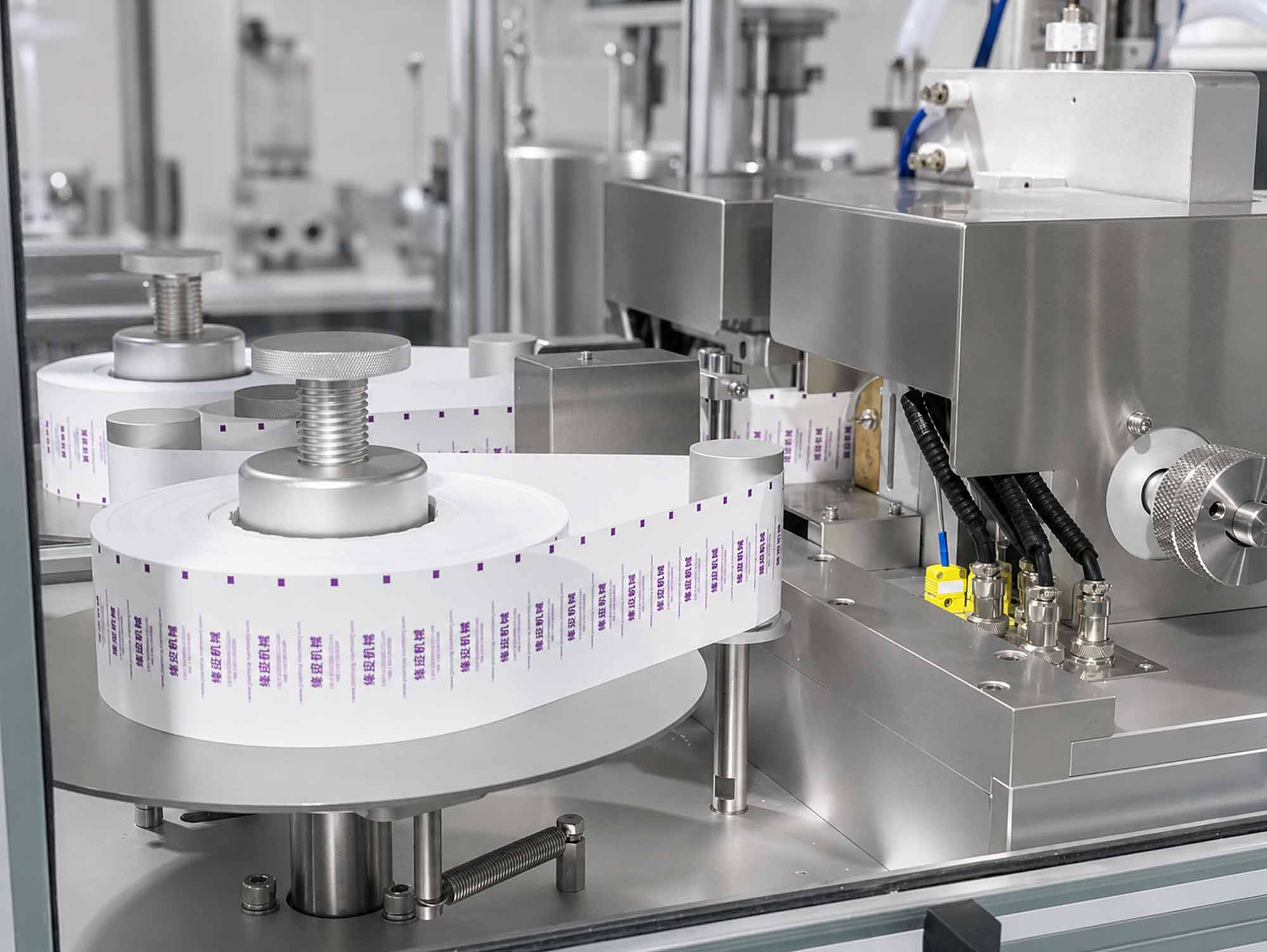
A SICK color-mark sensor reads the print on the film and keeps it in register, so the lot number and artwork land in the same place on every strip.
Empty-Shell Detection and Rejection
Shells that didn’t form properly are detected and rejected before sealing. At 12,000 an hour, that’s the difference between catching a fault and shipping it.
Circulating Water Cooling
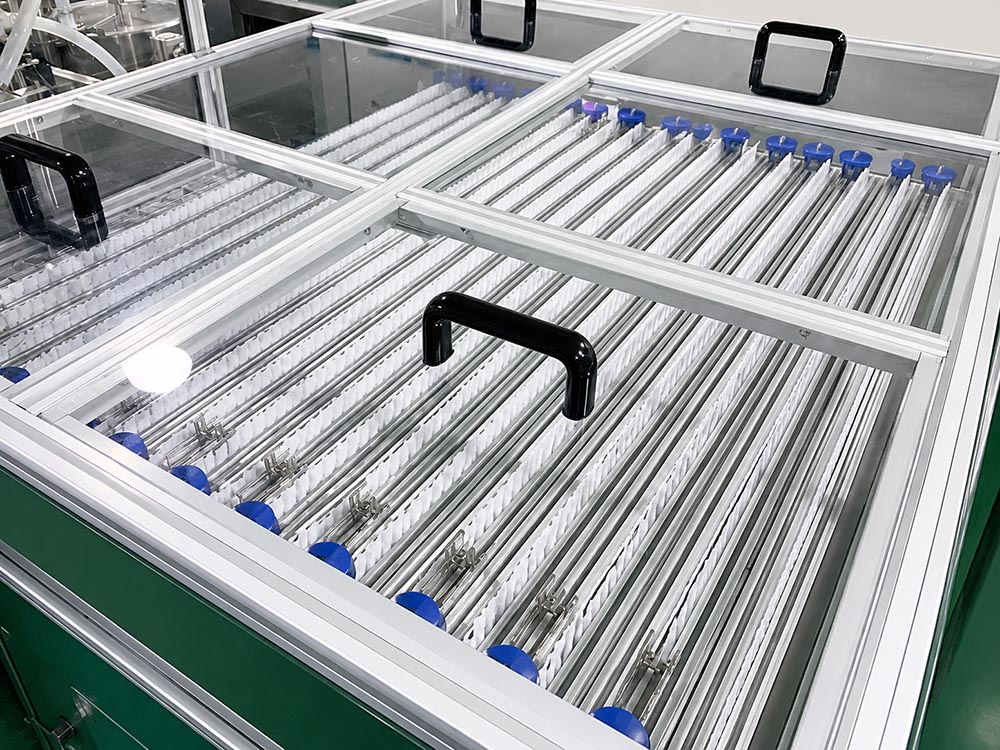
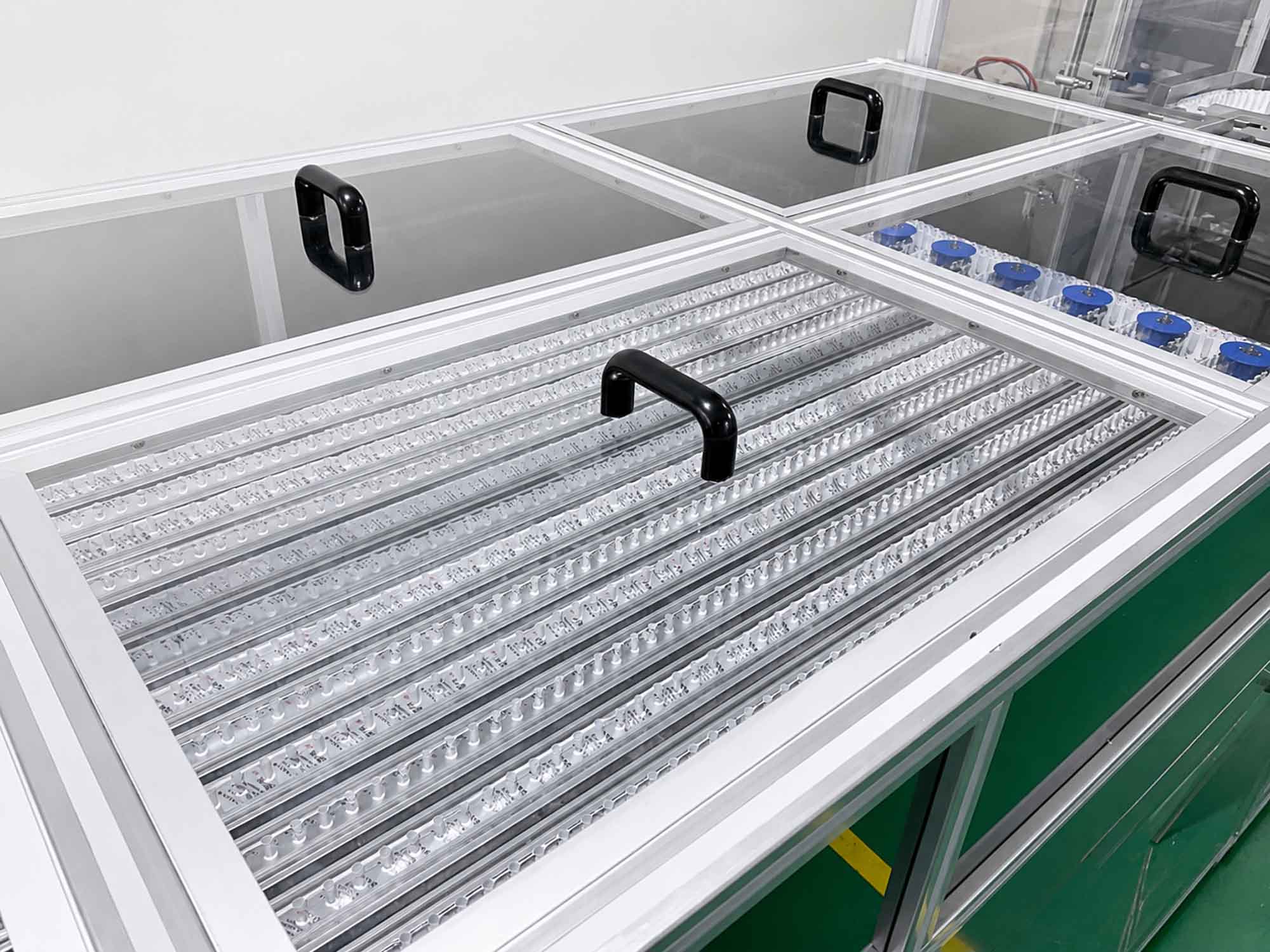
Filled strips run through a continuous, recirculating water-cooled section. The base sets evenly, the tail edge stays thick, and the strip tears without crumbling. Track width adjusts by hand for different shell sizes.
Seal, Stamp, Tear Line, Count and Cut
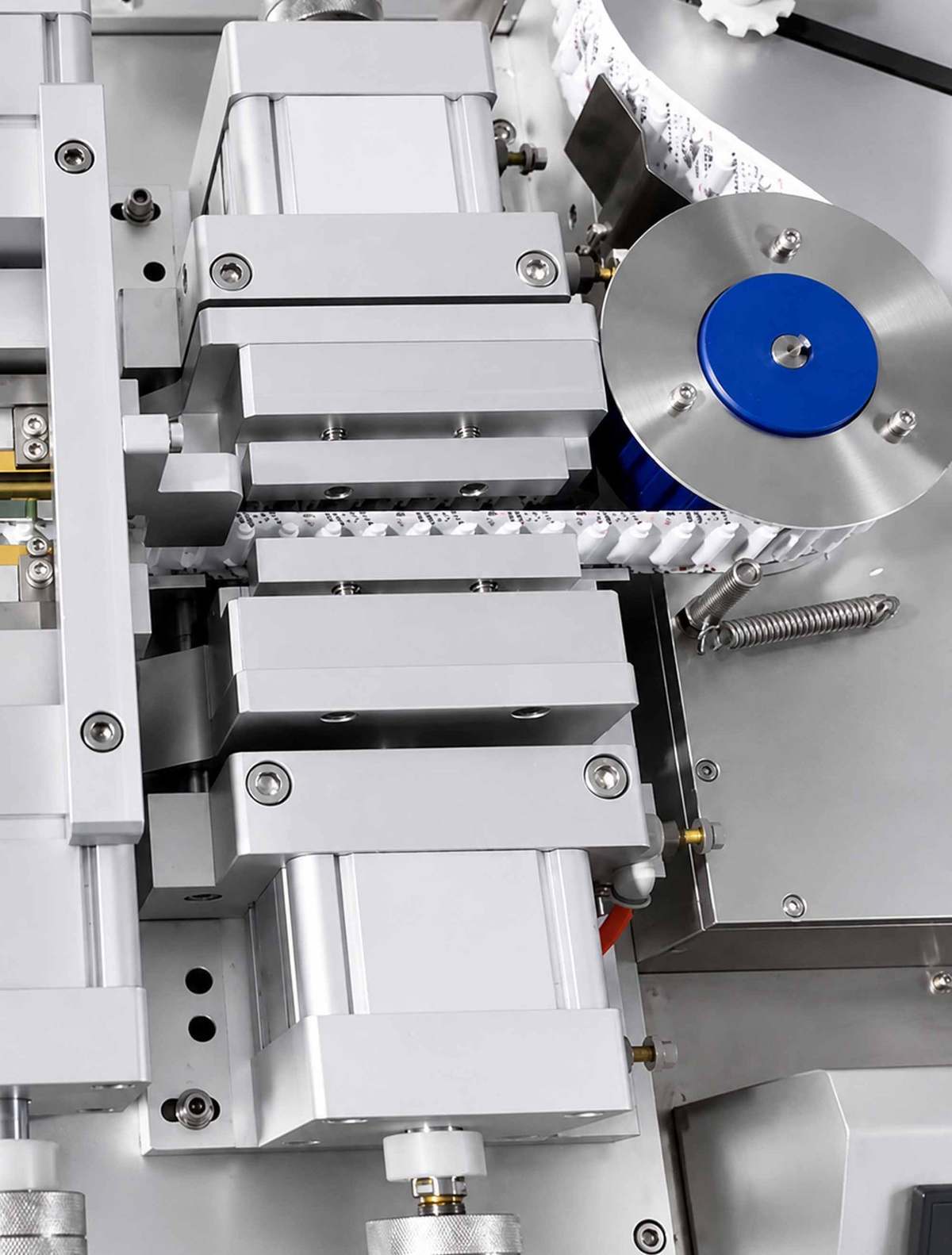
Each strip is preheated, sealed, stamped with the lot number, given a matched triangle notch and dotted tear line, trimmed and cut. The number of suppositories per strip — one to ten — is set on the touchscreen.
Technical specification
Parameter | SJ-7LS | What it means for you |
Output | 10,000–12,000 suppositories/hour | — |
Filling heads | 7, servo-driven plunger pumps | — |
Fill | 0.5–5 g per suppository | — |
Fill accuracy | ±2% | — |
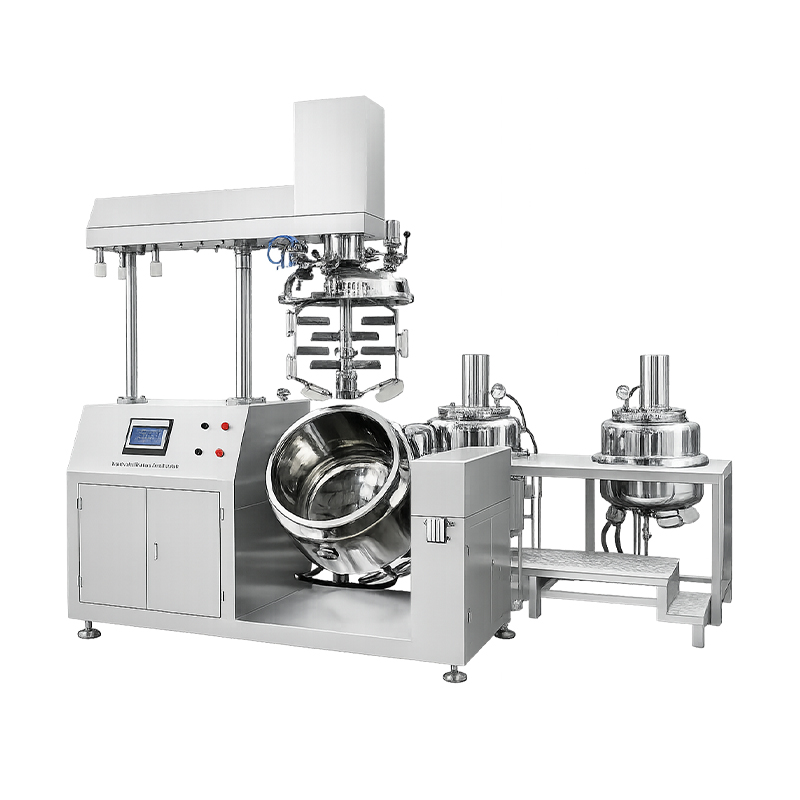
Base tank | 70 L, 316L, heated and stirred, with circulation pump | — |
Bases | Hard fat, glycerinated gelatin, PEG | — |
Shapes | Bullet, torpedo | |
Film | PVC/PE, 0.15–0.18 mm | — |
Suppository pitch | 17.4 mm | — |
Suppositories per strip | 1–10, set on the touchscreen | — |
Color-mark registration | Standard | — |
Empty-shell detection and rejection | Standard | — |
Cooling | Circulating water, 3P chiller, water 50 kg/h | — |
Compressed air | ≥0.7 MPa, 1.5 m³/min | — |
Power | 7.5 kW, three-phase | Built to your local supply; we confirm the voltage and frequency with your quote |
Controls | industrial PLC and touchscreen, servo filling | — |
Noise | Below 70 dB(A) | — |
Dimensions | 5,967 × 1,648 × 1,819 mm | — |
Weight | 2,000 kg | — |
Model comparison
Model | Output | Filling heads | Fill adjustment | Shell forming | Easy-tear cutter | Weight |
SJ-1L | 1,000–1,500/h | 3 | Manua | No — pre-formed shells | — | 450 kg |
SJ-3L | 5,000/h | 3 | Manual, servo optional | Yes | Yes | 1,000 kg |
SJ-7L | 10,000–12,000/h | 7 | Servo | Yes | Yes | 2,000 kg |
Industry Applications
High-Volume Over-the-Counter Strips
Retail products that sell in hundreds of thousands, where every strip has to look the same and tear the same.
Printed Film Brands
Products on printed PVC/PE film, where the lot number and artwork have to land on the seal every time.
Contract Manufacturing at Volume
Several clients’ products on one line, each with its own mould, base and count per strip.
Boric Acid and Probiotic Vaginal Suppositories
Formats sold over the counter in the U.S.
What changing over involves
| What changed | What you adjust | Roughly |
| Different fill | Set per head on the touchscreen | A few minutes |
| Suppositories per strip | Set on the touchscreen, 1 to 10 | 15–30 minutes |
| Different shell size | Cooling track width, by hand | 15–30 minutes |
| Different shape | Change the forming mold | 15–30 minutes |
| Different base | Tank temperature and stirrer speed; clean tank and line | 15–30 minutes |
What to check before you buy
Your base, at its melting point
Hard fat, glycerinated gelatin and PEG all behave differently in a heated line. Ask any supplier to run your actual base, not a sample of theirs.
What happens before and after filling
Some machines form the shells, fill, cool and seal in one line. Others only fill and seal, and the shells come from somewhere else. Ask which you're buying.
Your power supply
Most suppository lines are built for 380 V, 50 Hz. Confirm your voltage and frequency before the machine is built, not after it arrives.
Why Choose AIPAK?
One Point of Contact
You deal with us for the machine, the molds, the spare parts and the service call. If something goes wrong on your floor, there’s one number to ring and one team responsible for fixing it.
We Run Your Base Before You Order
Send us a sample of your base material and we will conduct a test run on our machine. We will ship back completed suppository strips so you can evaluate dosing precision, sealing integrity, and peelability on your exact formula before making a commitment.
A U.S. Number, Answered by Us
+1 (213) 526-8644, answered by our engineers 9 AM–7 PM China time, Monday to Friday. That’s evening and overnight in the U.S., so leave a message or send a WhatsApp anytime and we’ll pick it up first thing.
Spare Parts and Lead Time, in Writing
Wear parts and molds are listed and priced in your quote before you sign. Lead time is confirmed in writing with your order — not estimated on a call.
SJ-7L Suppository Production Line FAQ
The 70-liter 316L tank is heated and stirred, and a circulation pump loops the base through an insulated line back to the filling cylinder, so it never sits still in the pipework. A multichannel temperature controller holds the tank and the line at their set points.
Less than on a cam-driven filler. Each plunger is driven by its own servo, and the stroke is set on the touchscreen rather than by a mechanical stop, so wear in a cam or linkage doesn’t change the dose. Fill accuracy is ±2%.
Yes. The triangle notch and the dotted tear line are cut by one combined knife at one station, on PVC/PE film from 0.15 to 0.18 mm. Because both cuts come from the same knife, they always line up.
A large suppository cools from the outside in. If the outside sets too fast, the inside shrinks away from it and leaves a hollow or a crack. Graded cooling brings the temperature down in steps, so the base sets evenly and the tail edge stays thick enough to cut cleanly.
Film running at speed picks up static, and static pulls the base up the shell wall toward the seal. An anti-static bar over the open shells just before filling neutralizes the charge, so the base settles in the shell and the seal area stays clean.
Changeover downtime is critical for plant profitability. The continuous step-belt system is built on a unified, self-made synchronous drive. Technicians can utilize a manual synchronization adjustment handle to instantly expand or narrow the distance between the tracks across the entire length of the cooling chamber. This allows operators to adapt the machine structure to different bullet, torpedo, or custom product specification sizes in just minutes, without removing tracking plates or belt chains.
Output first: 10,000–12,000 an hour against 5,000. Then equipment: seven filling heads instead of three, and servo filling, colour-mark registration and empty-shell rejection as standard rather than options.
Yes. We build to your local supply and confirm the voltage and frequency with your quote.
A kit of wear parts ships with your machine. Every part in the kit, and the lead time for anything outside it, is listed in your quote in writing.
Customers Also Interested In...
Send Us Your Base and Your Shape
Two things decide how this machine runs for you: the base, because each one melts and sets at a different temperature, and the shape, because each shape needs its own mold. Tell us both and your fill volume, and we’ll tell you what to expect.
Better still, send us a sample of your base. We’ll run it and send back finished suppositories, so you can check the fill and the seal on your own formulation.
Direct from our factory
Lead time confirmed in your quote
Installation and training available
Spare parts listed in your quote
No sales calls — we reply by email or WhatsApp, whichever you gave us.