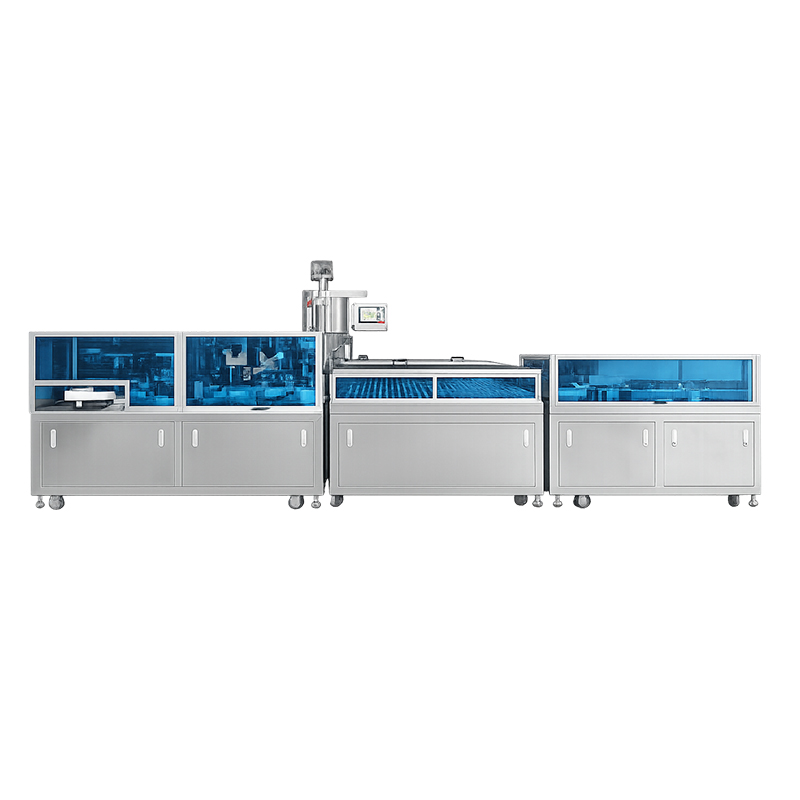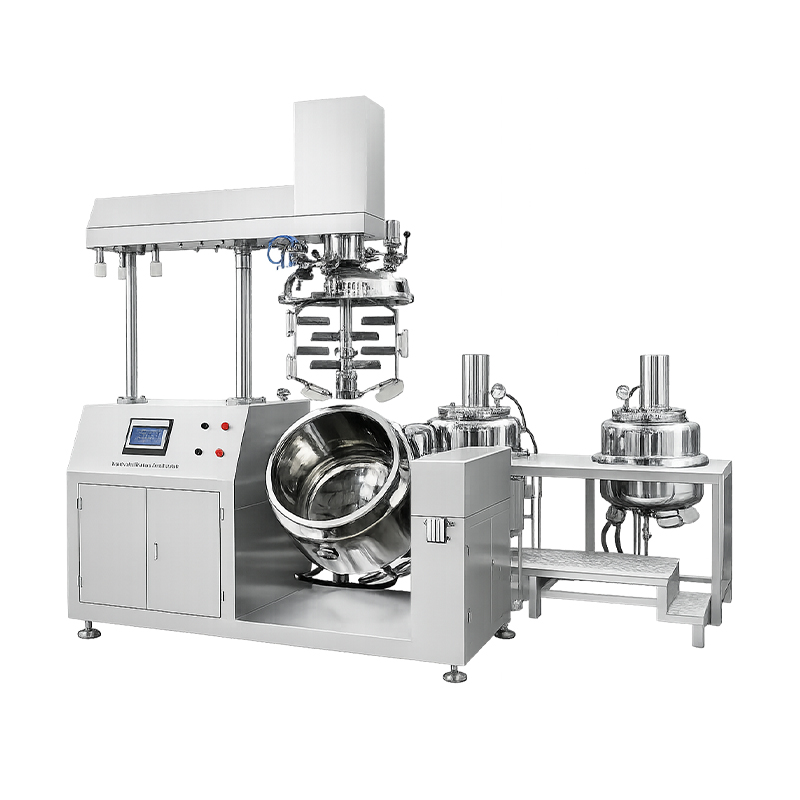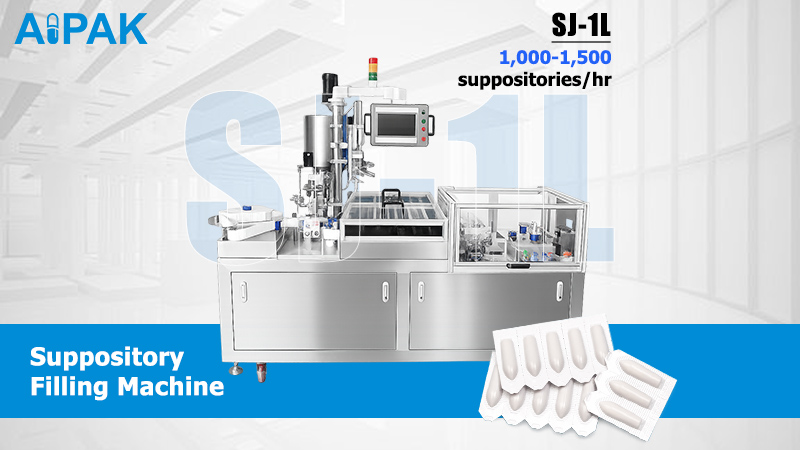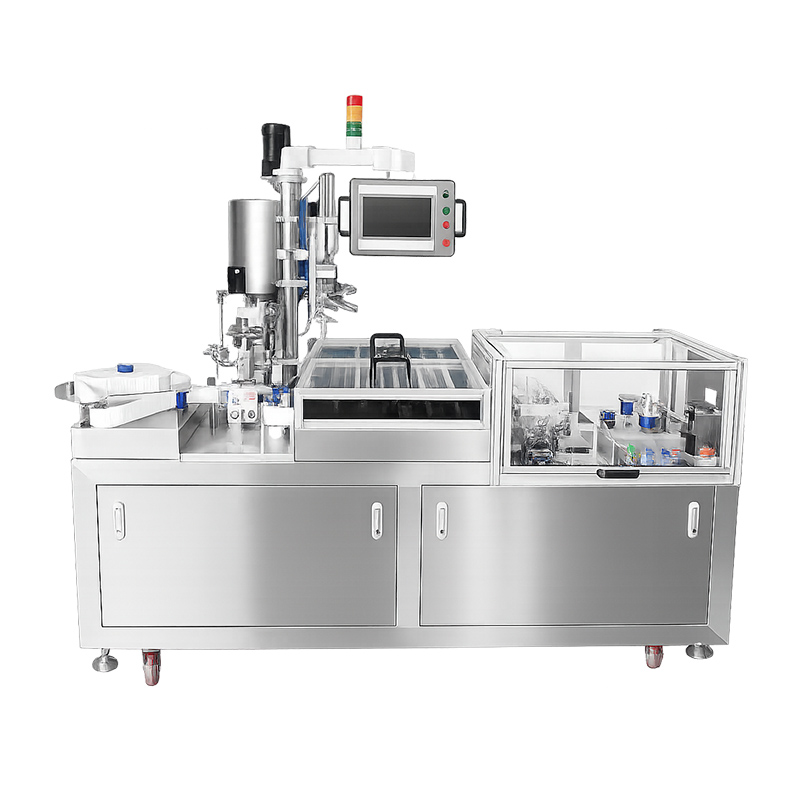
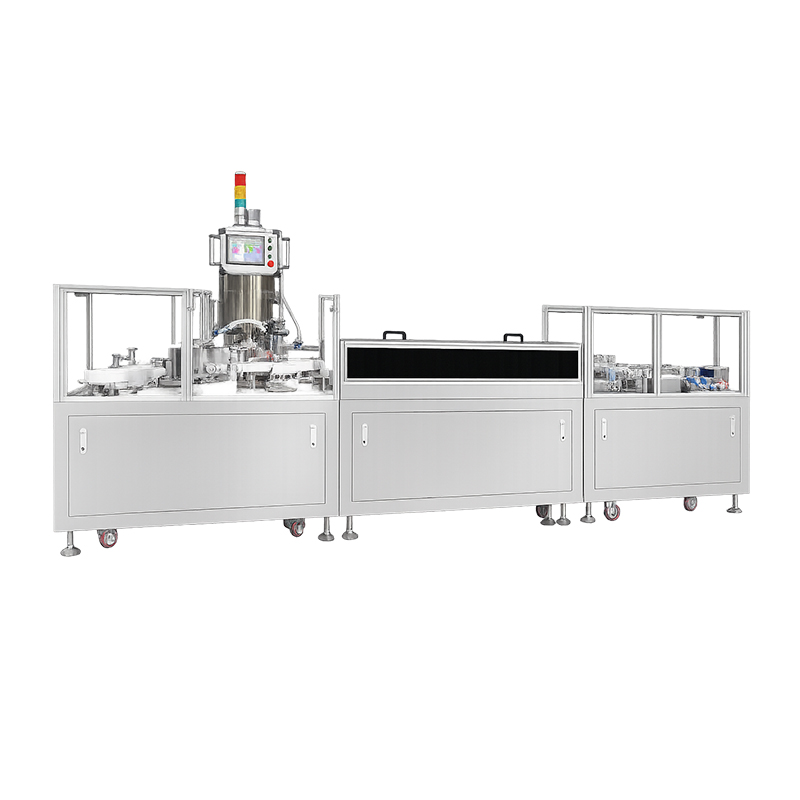
SJ-1L Suppository Filling and Sealing Machine for Pilot Batches

1,000 to 1,500 suppositories an hour — for formulation trials and short runs before a production line

Hand-pouring suppositories into molds is slow, and every pour is a little different. This machine fills a heated, stirred base into PVC/PE shells with an insertion nozzle, then seals and stamps each strip with a lot number. It runs 1,000 to 1,500 an hour — enough to make a trial batch or a small commercial run without committing to a full production line.

1. Output: 1,000 to 1,500 suppositories an hour

2. Fill: 0.5 to 5 ml per suppository, within ±2%

3. Bases: hard fat, glycerinated gelatin and PEG

4. Shapes: bullet, torpedo and duck-bill

Is the SJ-1L the right size for you?

✓ This is a fit if…

✕ Buy something else if…

Heated, Stirred Base Tank

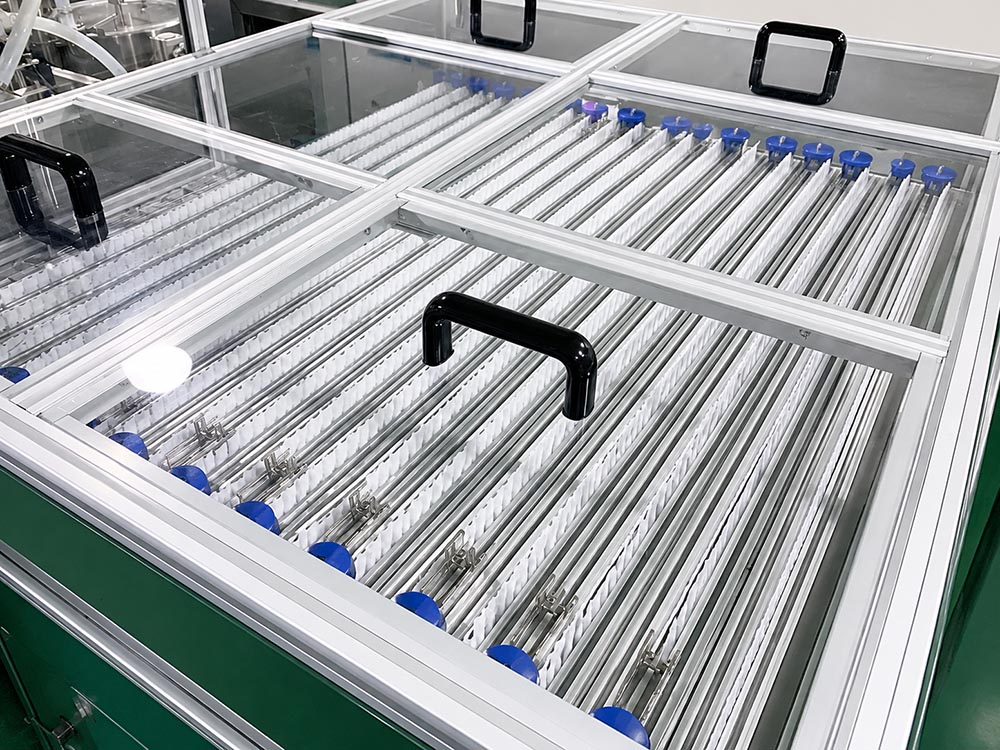
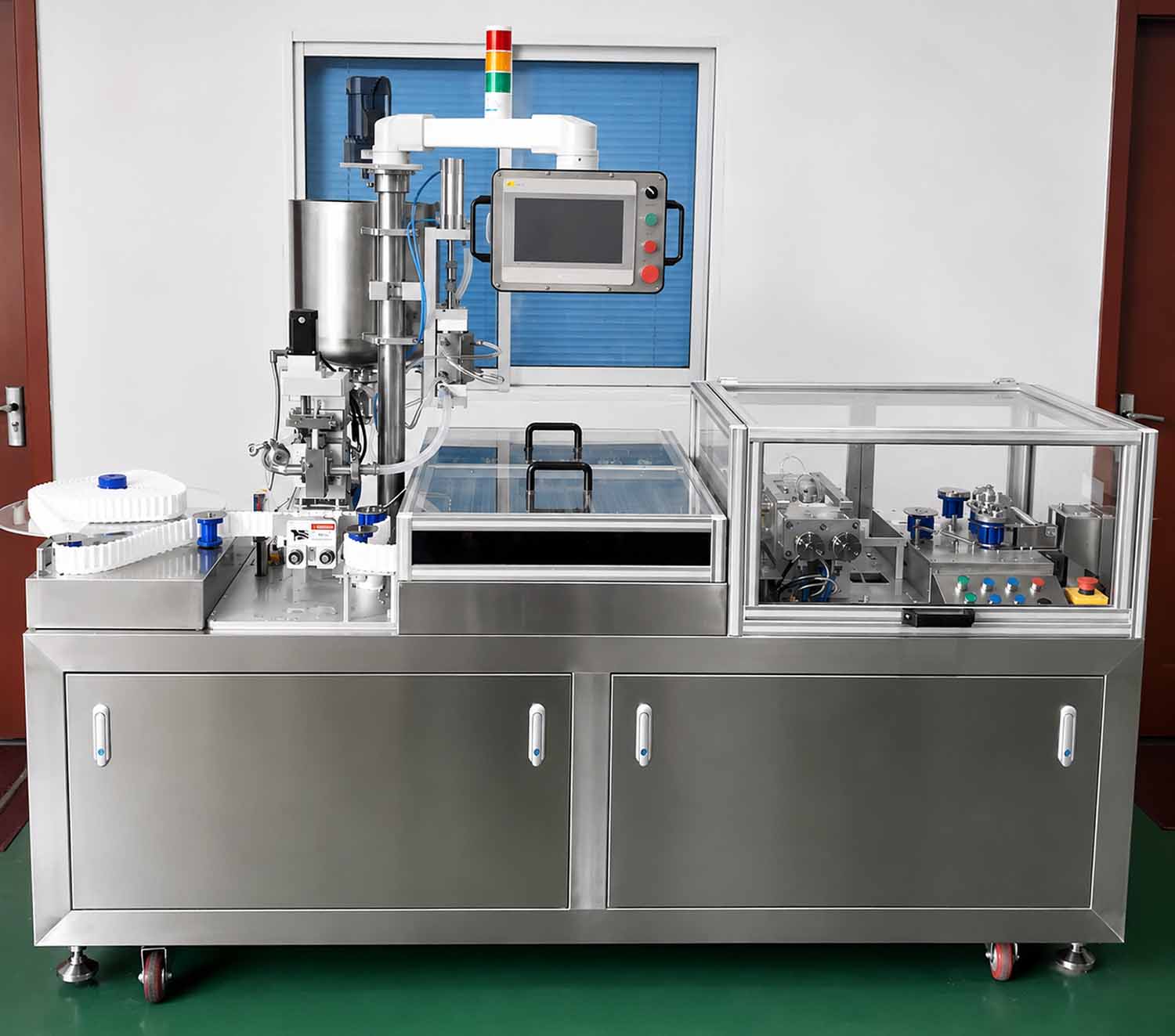
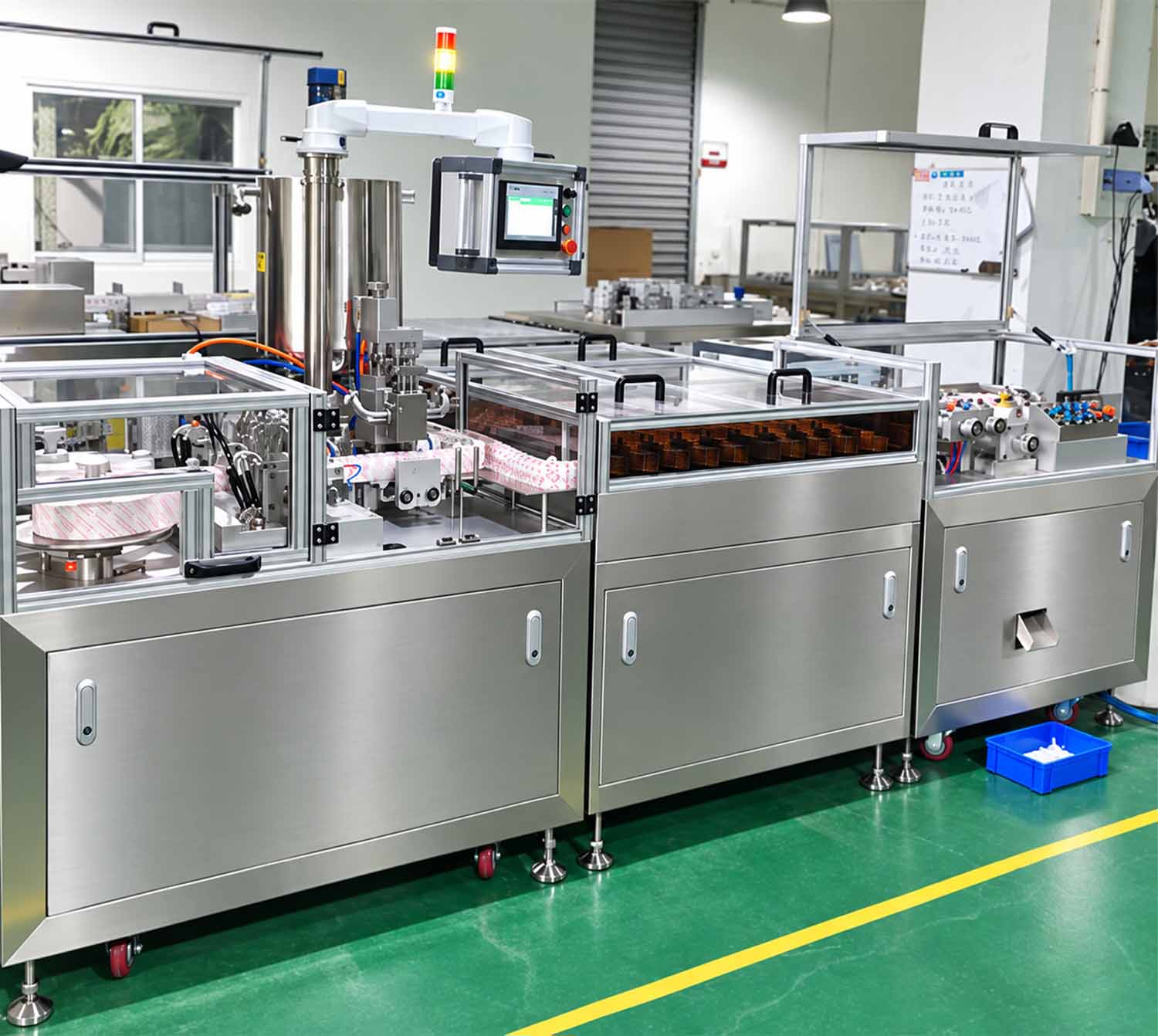
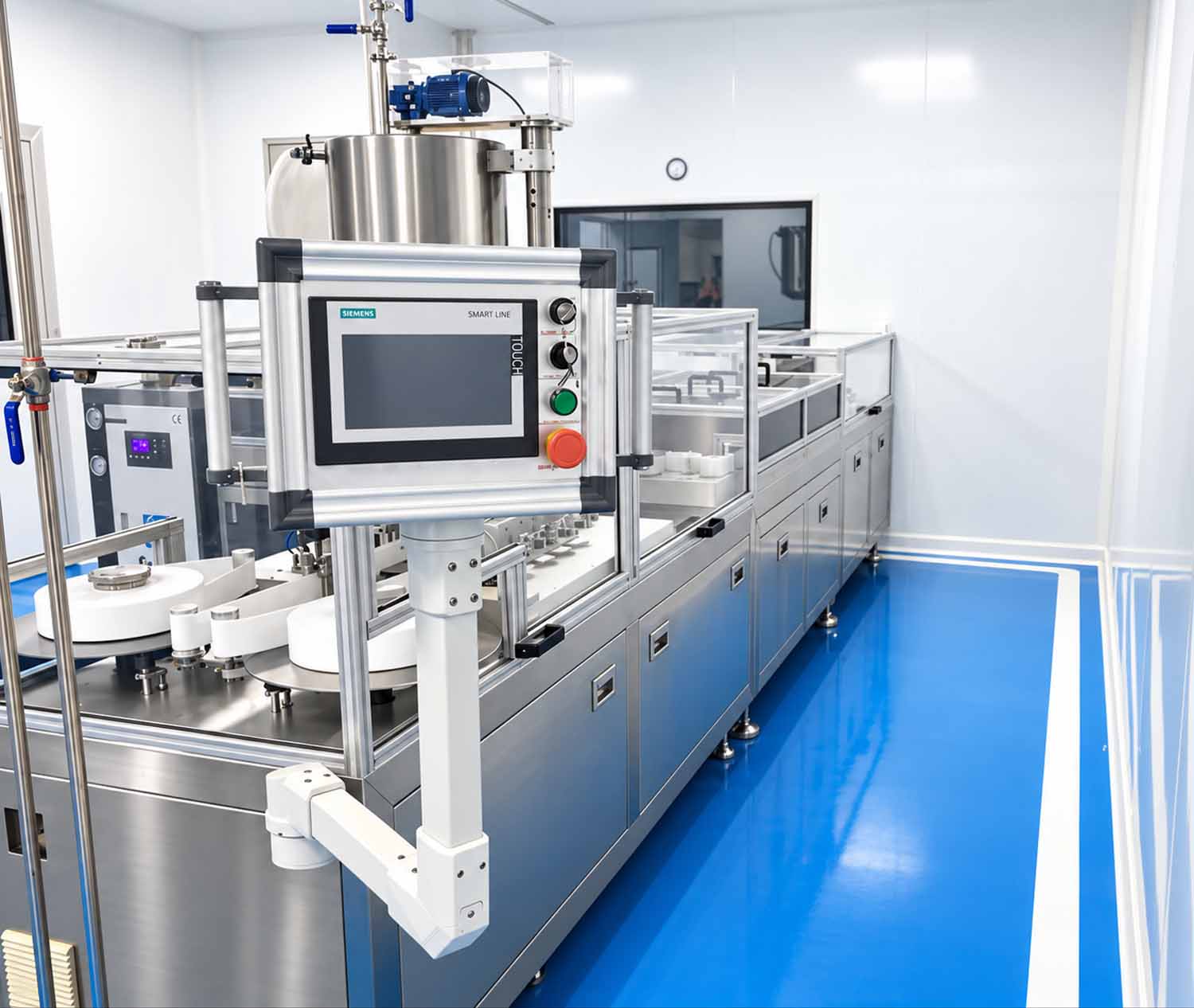
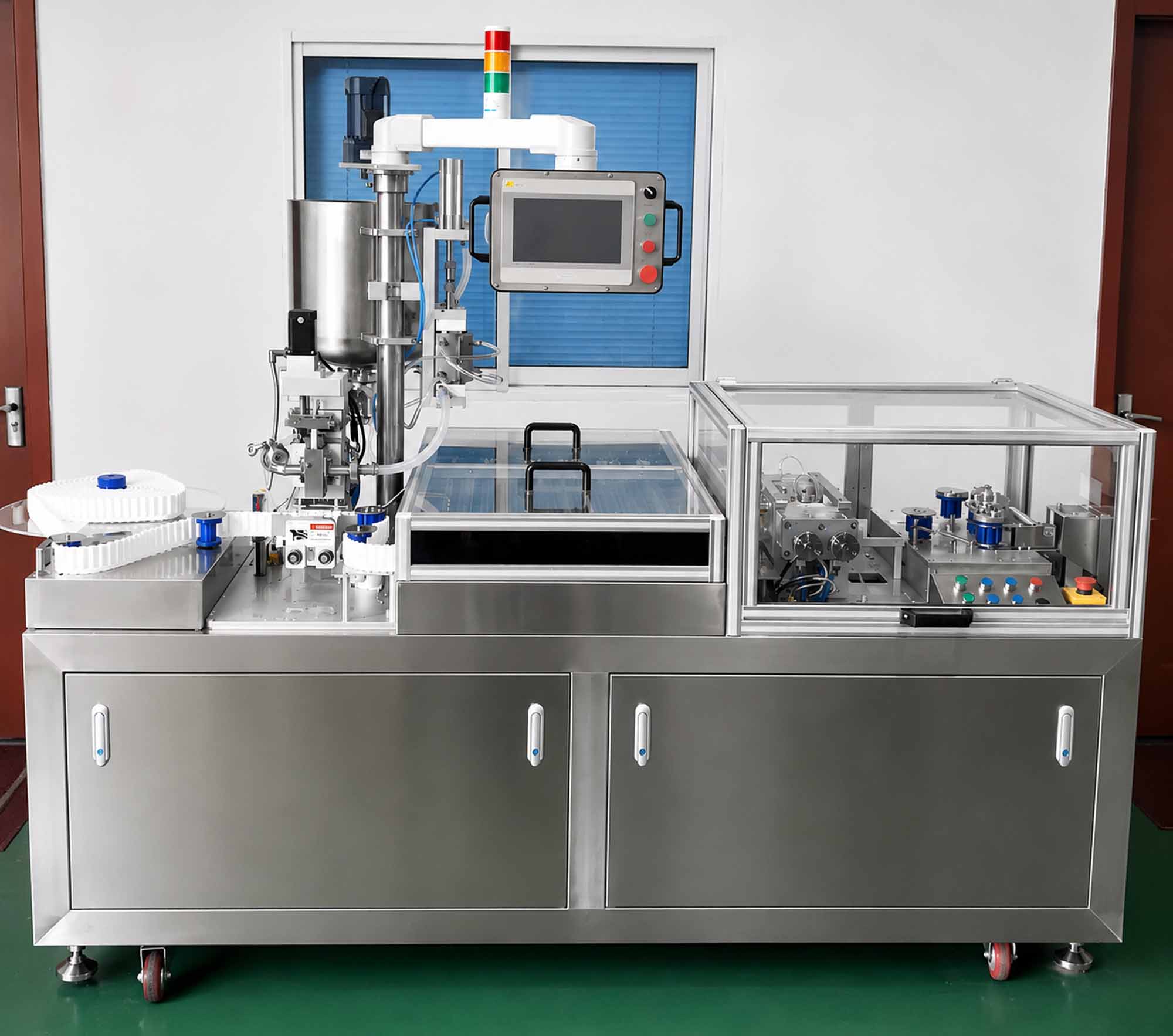
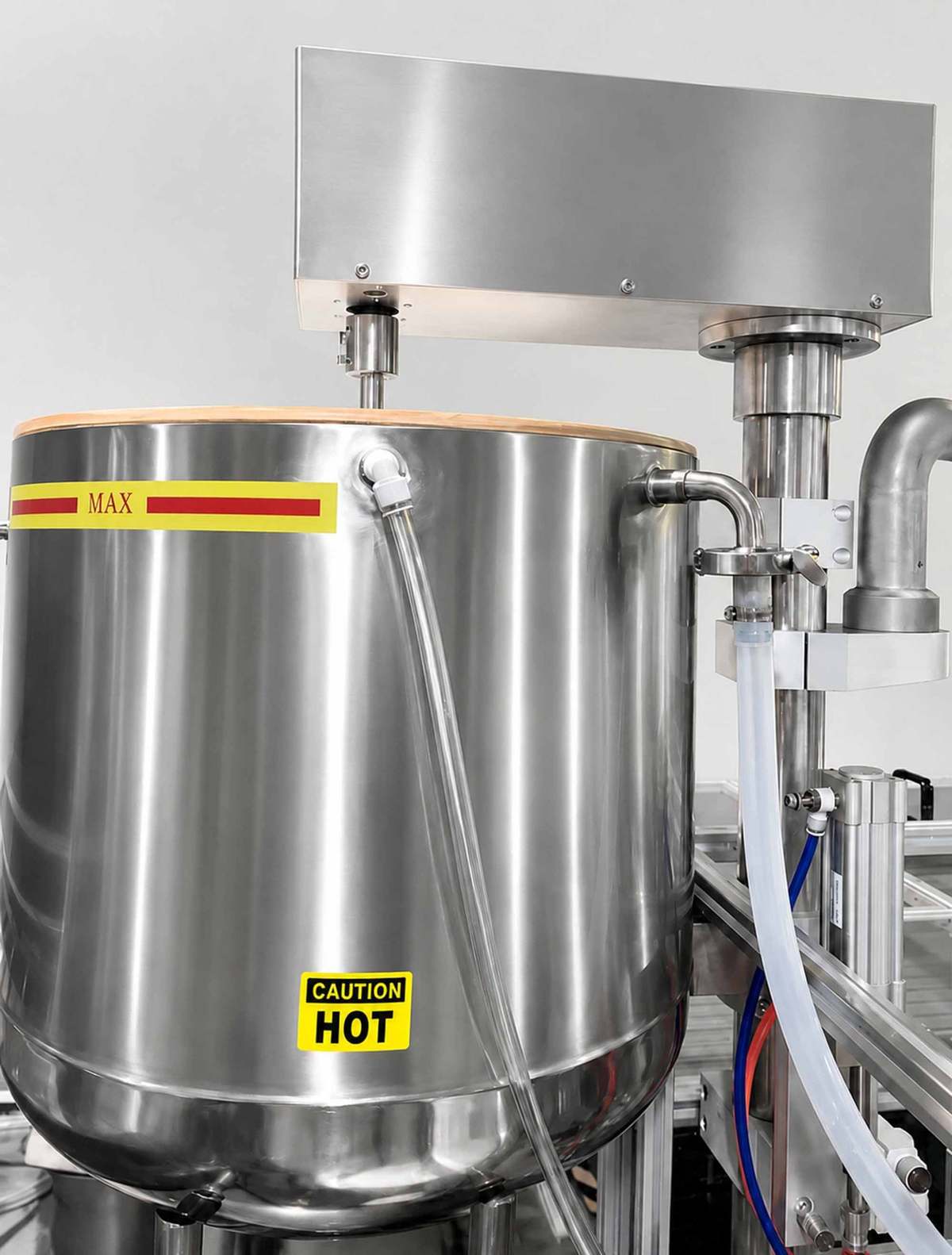
The 20-liter tank is 316L stainless steel, heated and insulated, with a stirrer that keeps the base and the active evenly mixed from the first suppository to the last. Base circulates between the tank and the filling head, so it stays liquid in the line.

Insertion Filling Nozzle

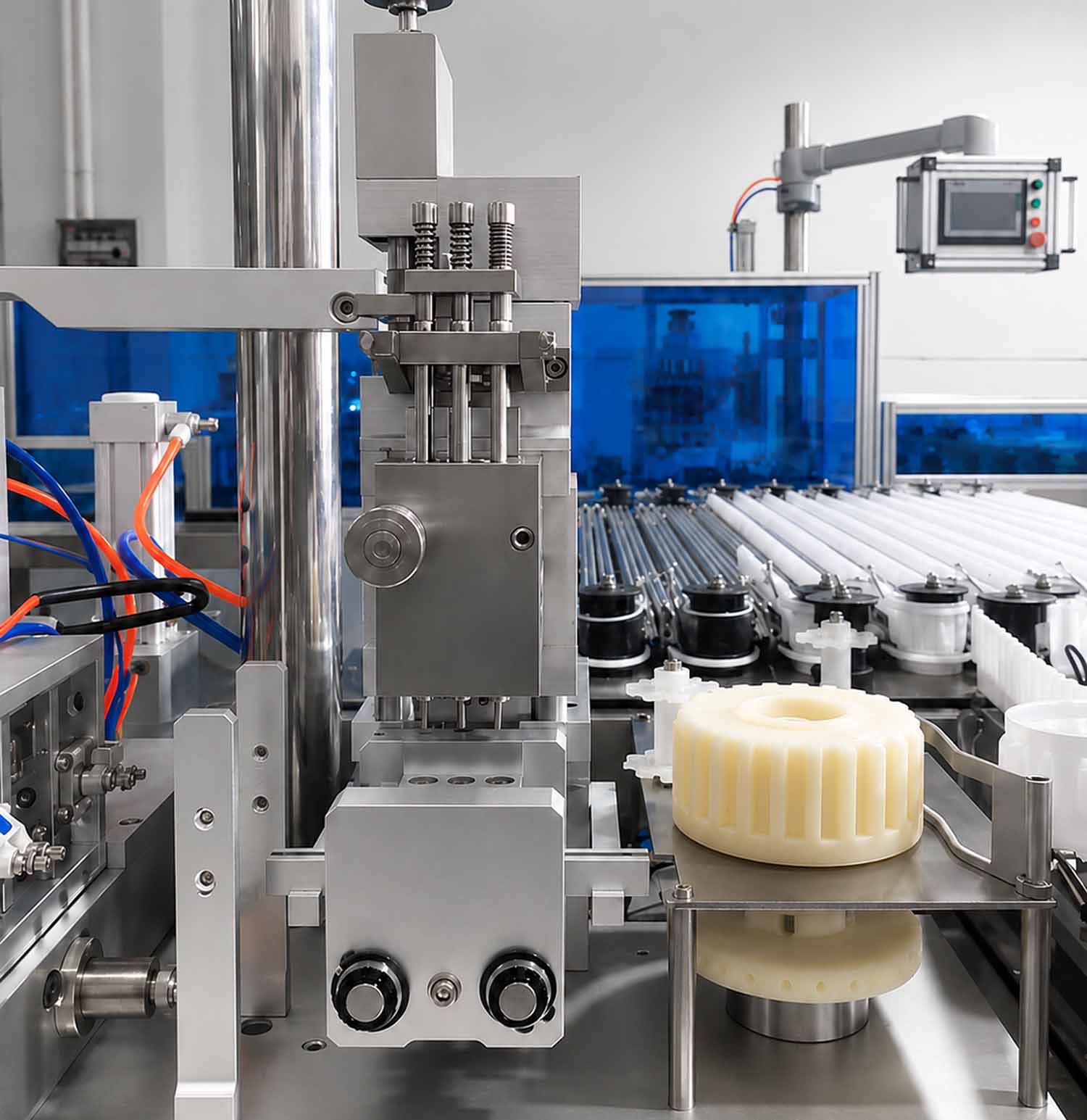
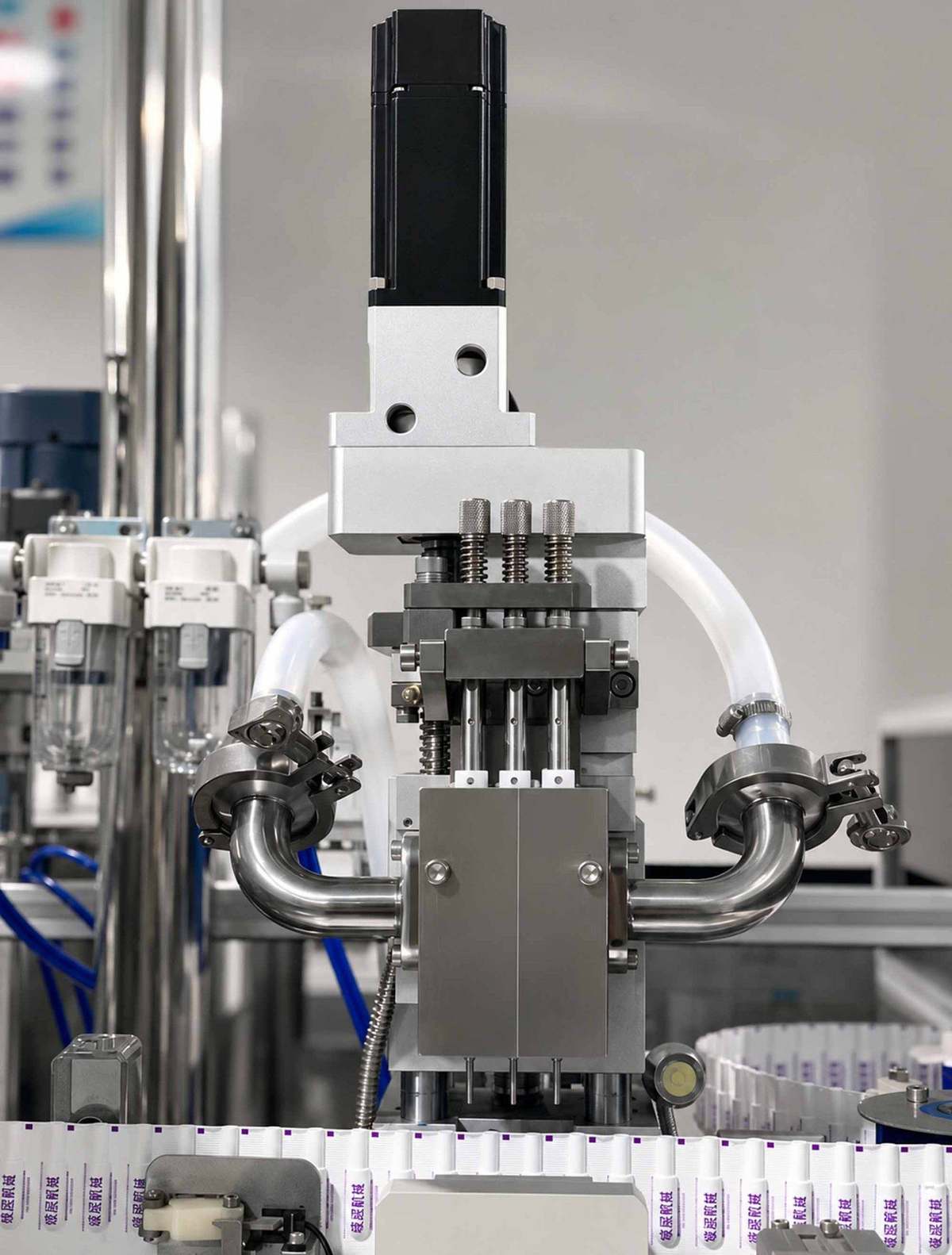
The nozzle goes down into the shell before it fills, rather than filling from above. That’s what keeps the base off the shell walls and stops drips between shells — both of which show up later as a poor seal.

Fill Volume Within ±2%

Each suppository takes 0.5 to 5 ml, metered by a precision pump to within ±2%. The volume is adjusted on the machine for each formulation.

Temperature Held by Microcomputer Control

A multichannel temperature controller holds the tank and the line at set temperatures, so the base doesn’t set in the pipework or run too thin at the nozzle.

Seal, Stamp, Cut

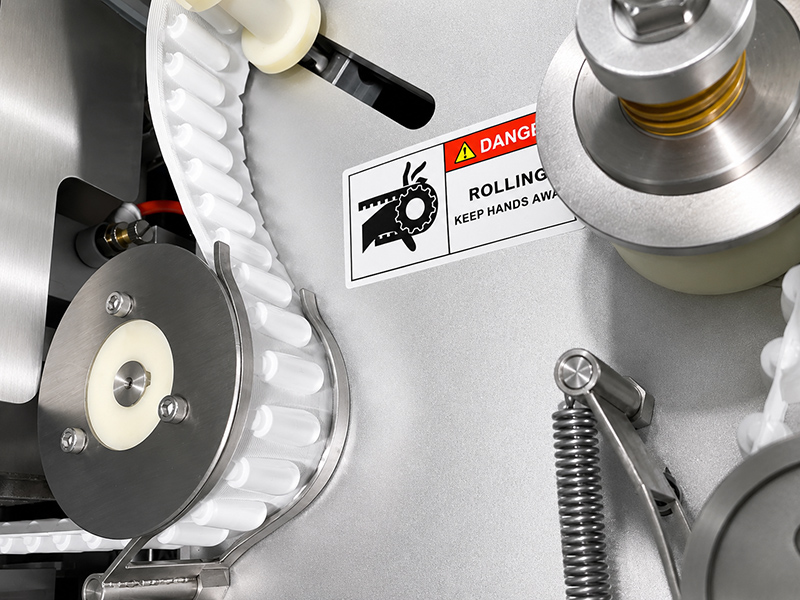
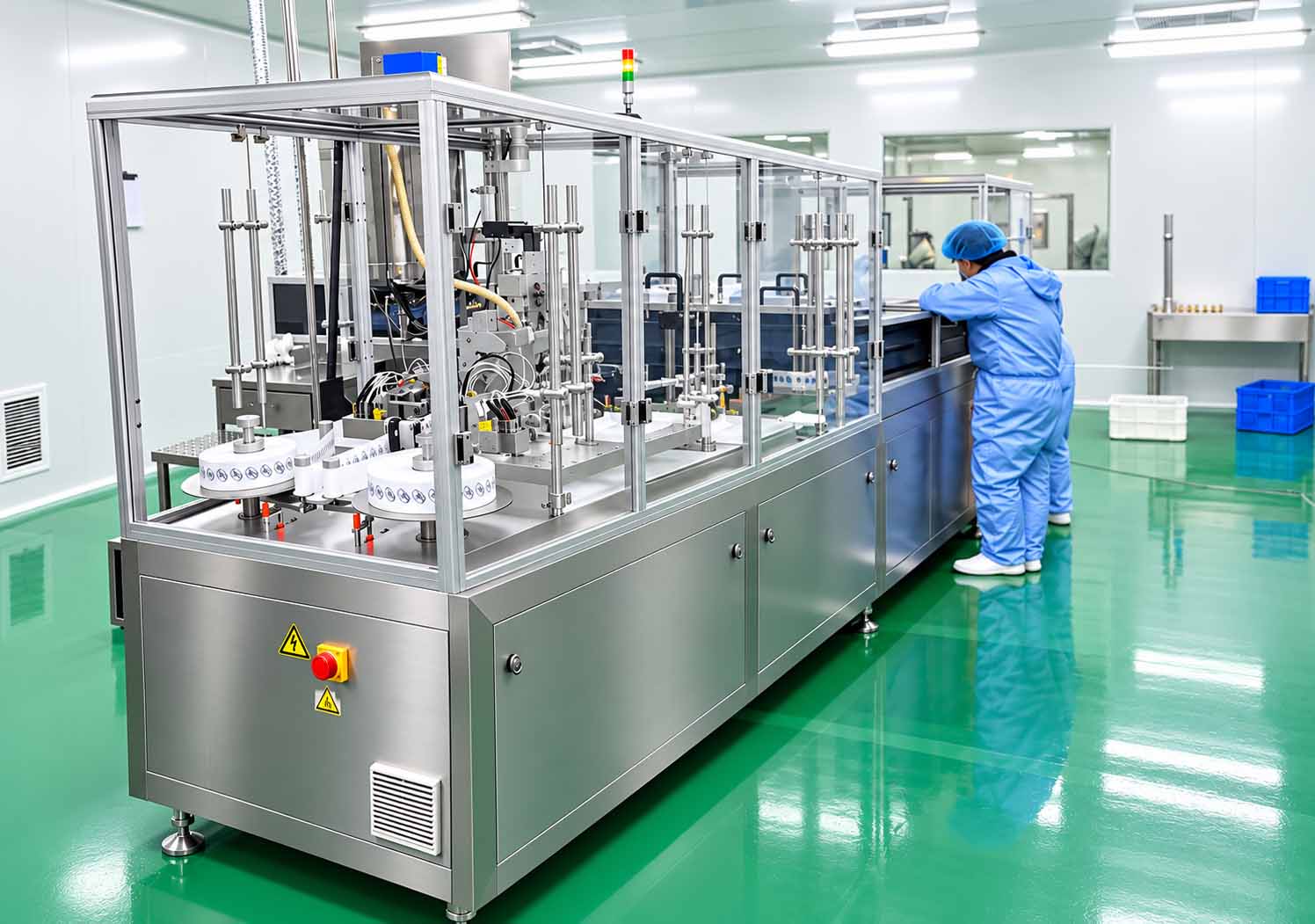
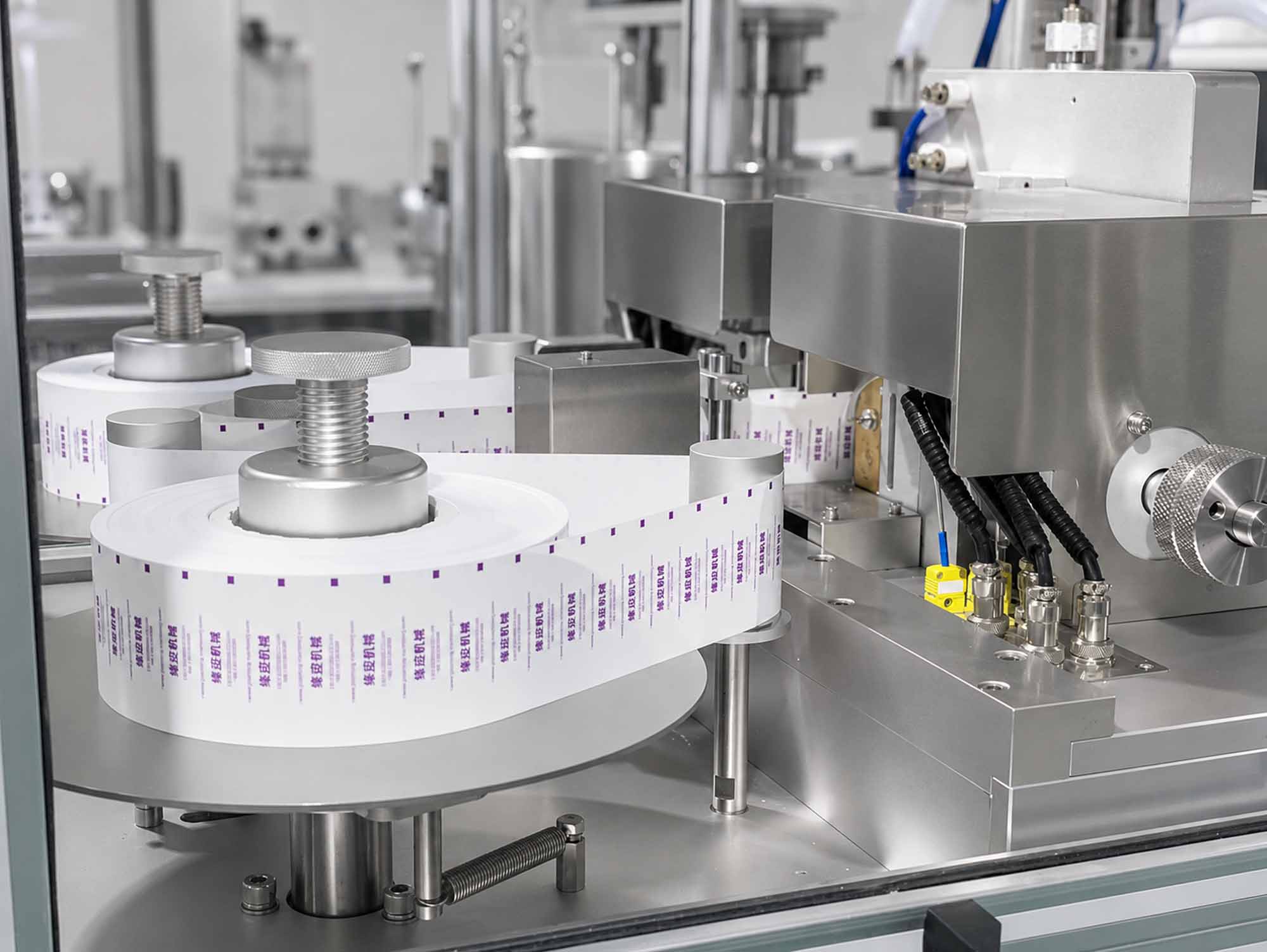
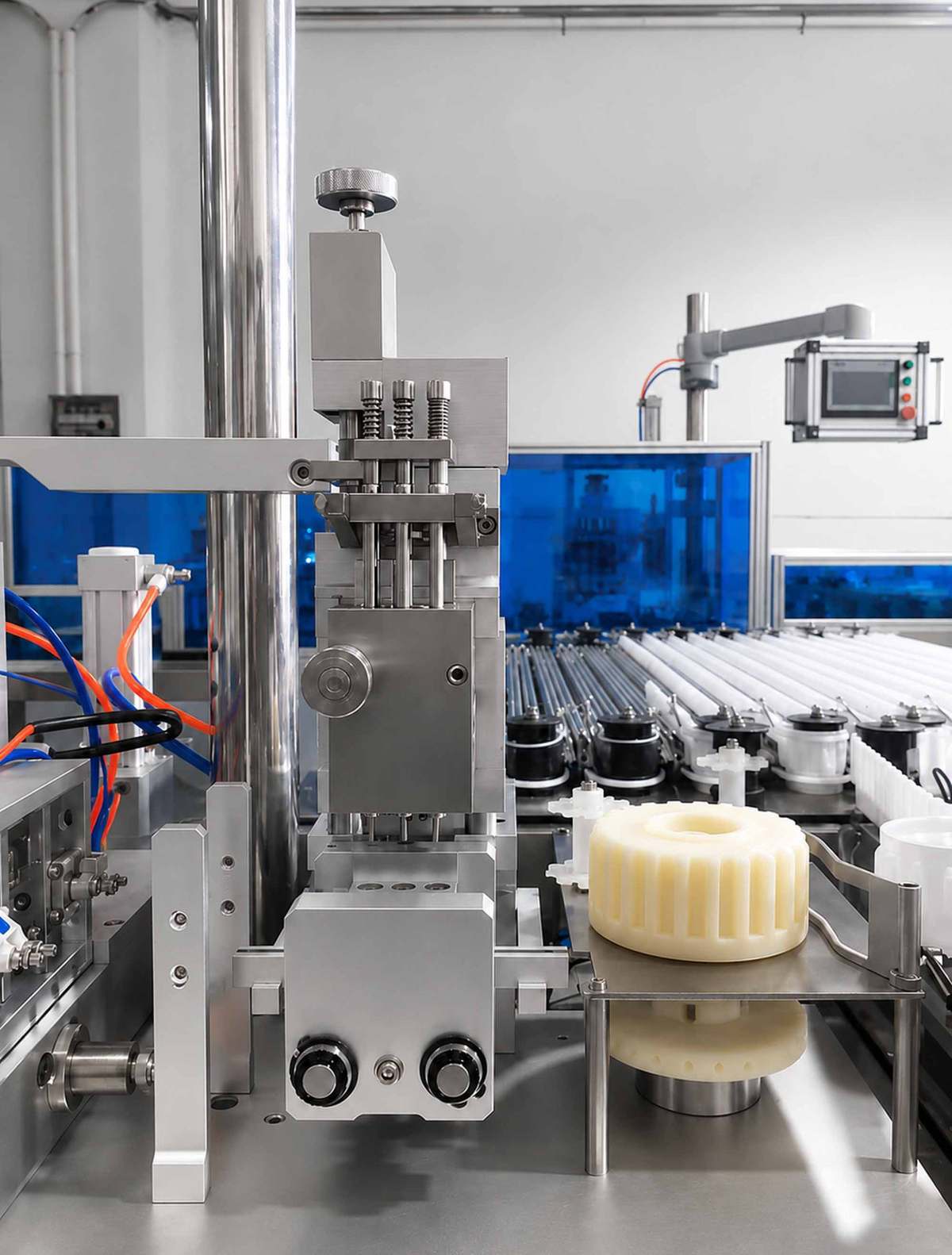
After filling, each strip passes through a preheating die, a heat-sealing die and a stamping die that presses the lot number into the seal. An industrial PLC and a 10-inch touchscreen run the whole sequence.

Technical specification

Parameter

SJ-1L

What it means for you

Output

1,000–1,500 suppositories/hour

Pilot and short-run scale

Fill volume

0.5–5 ml

Set per formulation

Fill accuracy

±2%

—

Base tank

20 L, 316L stainless, heated and stirred

—

Bases

Hard fat (synthetic fatty acid glycerides), glycerinated gelatin, PEG

—

Shapes

Bullet, torpedo, duck-bill

Mold made to your shape

Suppository pitch

17.4 mm

—

Compressed air

≥0.6 MPa, 0.7 m³/min

—

Cooling water

Adjustable 5–35 °C

—

Power

3 kW, three-phase

Built to your local supply; we confirm the voltage and frequency with your quote

Controls

industrial PLC, 10″ touchscreen

—

Dimensions

2,500 × 969 × 1,819 mm

Floor-standing — not a benchtop unit

Weight

450 kg

—

Model comparison

Model

Output

Filling heads

Fill adjustment

Shell forming

Easy-tear cutter

Weight

SJ-1L

1,000–1,500/h

3

Manua

No — pre-formed shells

—

450 kg

SJ-3L

5,000/h

3

Manual, servo optional

Yes

Yes

1,000 kg

SJ-7L

10,000–12,000/h

7

Servo

Yes

Yes

2,000 kg


Industry Applications

Formulation Trials and Pilot Batches

Suppositories made the same way every time, so a change in the result comes from the formula rather than from how it was poured. The step between hand moulding and a production line.

Boric Acid and Probiotic Vaginal Suppositories

Short runs of the formats sold over the counter in the U.S., on a hard-fat or glycerinated gelatin base.

Short Runs for Contract Manufacturers

A client’s first order, or a product that sells in thousands rather than hundreds of thousands. Enough output for a real batch without tying up a production line.

Scale-Up Before a Production Line

Settle the base, the fill volume and the shape here, then move the same mould and parameters to a faster line when volume justifies it.

What changing over involves

What changed

What you adjust

Roughly

Different fill volume

Pump setting

15–30 minutes

Different base

Tank temperature and stirrer speed; clean the tank and line

15–30 minutes

Different shape

Change the mold set

15–30 minutes

A new shape means a new mold. A new base usually means only new temperatures — but the tank and line have to be cleaned between products.

What to check before you buy

01

Your base, at its melting point

Hard fat, glycerinated gelatin and PEG all behave differently in a heated line. Ask any supplier to run your actual base, not a sample of theirs.

02

What happens before and after filling

Some machines form the shells, fill, cool and seal in one line. Others only fill and seal, and the shells come from somewhere else. Ask which you're buying.

03

Your power supply

Most suppository lines are built for 380 V, 50 Hz. Confirm your voltage and frequency before the machine is built, not after it arrives.

Why Choose AIPAK?

One Point of Contact

You deal with us for the machine, the molds, the spare parts and the service call. If something goes wrong on your floor, there’s one number to ring and one team responsible for fixing it.

We Run Your Base Before You Order

Send us a sample of your base material and we will conduct a test run on our machine. We will ship back completed suppository strips so you can evaluate dosing precision, sealing integrity, and peelability on your exact formula before making a commitment.

A U.S. Number, Answered by Us

+1 (213) 526-8644, answered by our engineers 9 AM–7 PM China time, Monday to Friday. That’s evening and overnight in the U.S., so leave a message or send a WhatsApp anytime and we’ll pick it up first thing.

Spare Parts and Lead Time, in Writing

Wear parts and molds are listed and priced in your quote before you sign. Lead time is confirmed in writing with your order — not estimated on a call.

SJ-1L Lab Suppository Filling & Sealing Machine Comprehensive Category FAQ

Which suppository bases can the SJ-1L run?

The SJ-1L can run hard fat (synthetic fatty acid glycerides), glycerinated gelatin, and polyethylene glycol (PEG). Each base requires its own specific tank and line temperature, which can be easily set on the touchscreen. If your formulation uses a different base, please send us a sample before you order so we can verify compatibility.

How accurate is the filling volume?

The filling accuracy is highly precise, maintaining within ±2% for fill volumes ranging from 0.5 to 5 ml. The required fill volume for each specific formulation can be conveniently set directly on the machine.

Does the machine form the suppository shells, or do we need to supply them?

You need to supply them. The SJ-1L is designed to fill, seal, and cut pre-formed suppository shells, but it does not thermoform the shells itself.

Why doesn't this model have easy-tear notches?

The triangle notch and dotted tear line are cut by a separate station featured on our larger production lines, the SJ-3L and SJ-7L. As a pilot machine, the SJ-1L effectively seals, stamps, and cuts the strip, but it does not add the tear line.

Will it run on U.S. power supplies?

Yes. We build to your local supply and confirm the voltage and frequency with your quote.

How do spare parts work?

A kit of wear parts ships with your machine. Every part in the kit, and the lead time for anything outside it, is listed in your quote in writing.

Customers Also Interested In...

Send Us Your Base and Your Shape

Two things decide how this machine runs for you: the base, because each one melts and sets at a different temperature, and the shape, because each shape needs its own mold. Tell us both and your fill volume, and we’ll tell you what to expect.

Better still, send us a sample of your base. We’ll run it and send back finished suppositories, so you can check the fill and the seal on your own formulation.

  • Direct from our factory

  • Lead time confirmed in your quote

  • Installation and training available

  • Spare parts listed in your quote

No sales calls — we reply by email or WhatsApp, whichever you gave us.

Scroll to Top