Automatic Strip Packing Machine
Soft Alu-Alu Heated-Roller Sealing for Tablets, Capsules and Effervescents
Each tablet is sealed between two soft foils on heated rollers — a full light and moisture barrier, with nothing formed or stretched thin.
What Every Model in the Range Does
Four widths, two cutting systems, and the same sealing method on every one. Here’s what’s built into all of them.
Sealed Flat, Not Formed
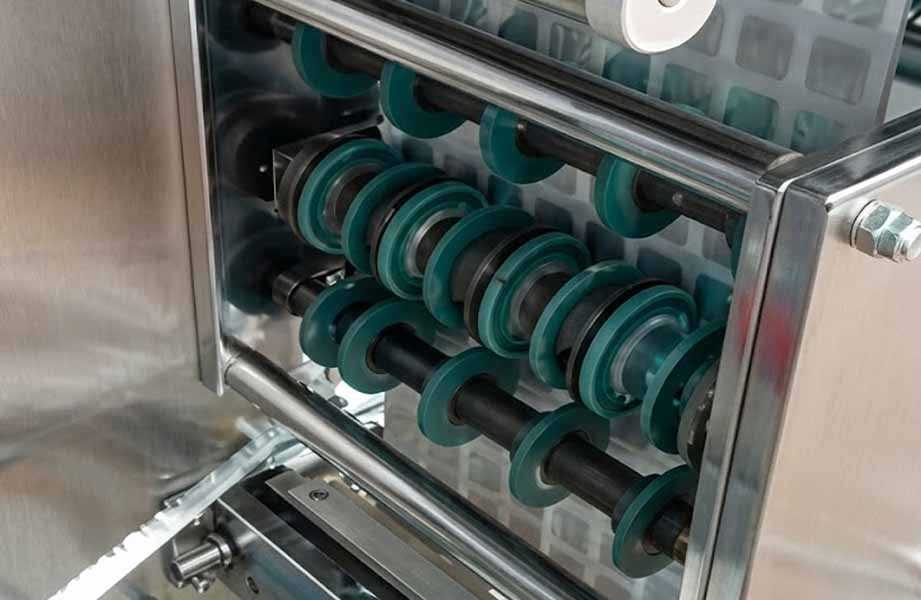
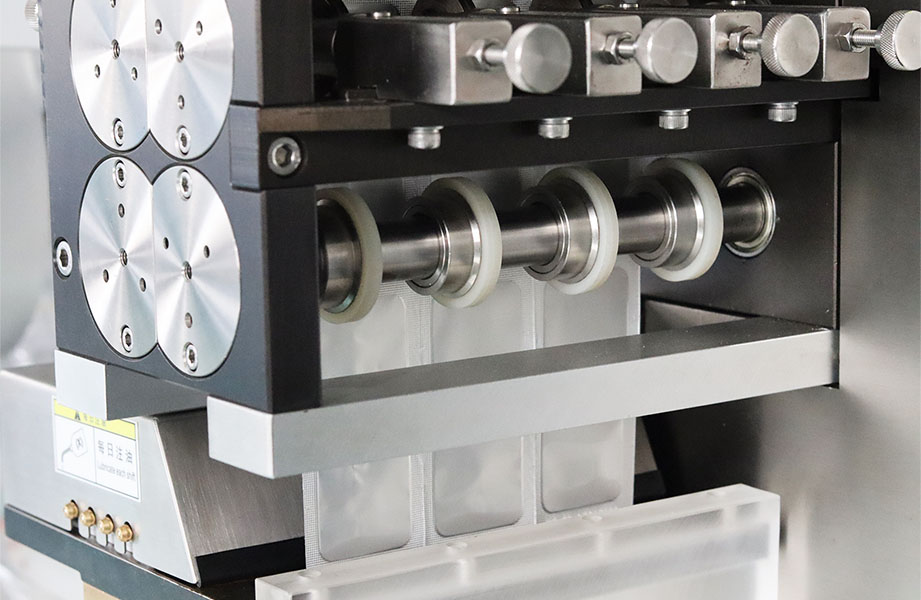
A blister machine heats plastic and stretches it into a pocket. This machine doesn’t form anything. The tablet sits between two soft aluminium foils and heated rollers press them together around it. The barrier is the full thickness of the foil on both faces.
Vibratory Feeding with Broken-Tablet Screening
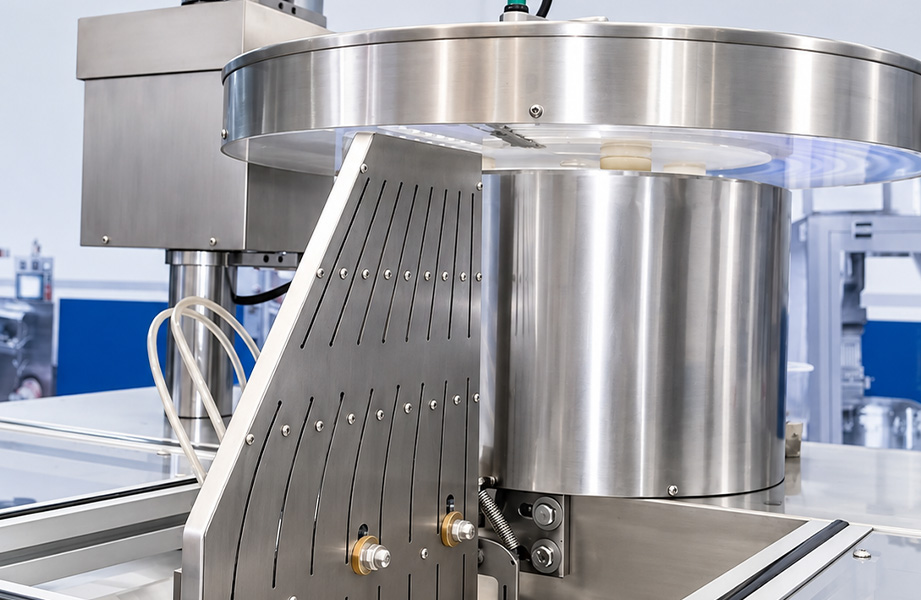
Tablets feed from a vibrating hopper, and broken pieces are screened out before they reach the rollers. A fragment sealed into the margin is what causes a leak, so this step matters more than it looks.
Two Heated Rollers, Two Controllers
Each sealing roller has its own heater and its own temperature controller. When you switch between Alu-Alu and plastic-plastic, you set each roller to suit the material rather than running both at one setting.
Two-Stage Traction, Clean Cuts
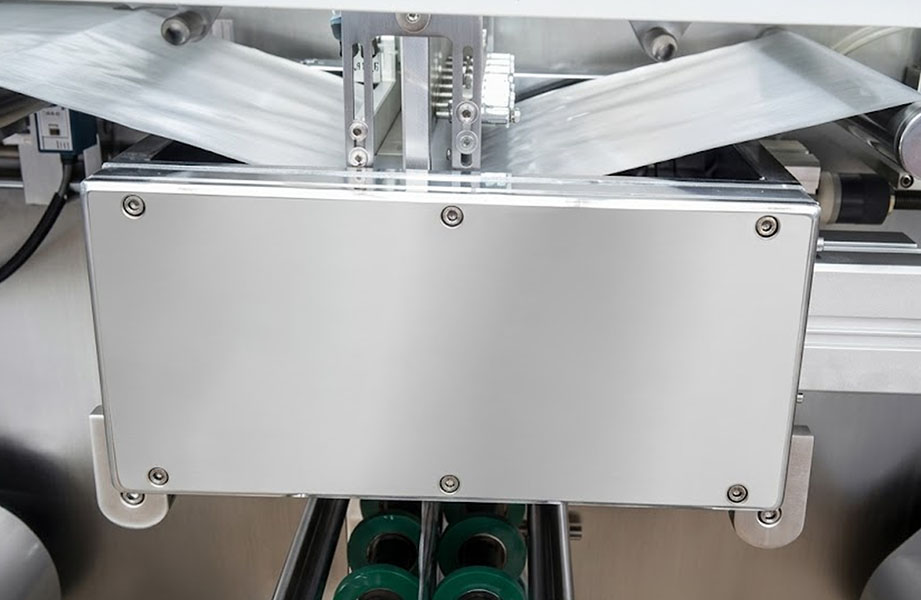
The foil is pulled through in two stages, which keeps it flat as it reaches the slitter and the cutter. Flat foil is what gives a clean edge on every strip.
Missing-Tablet Reject, as an Option
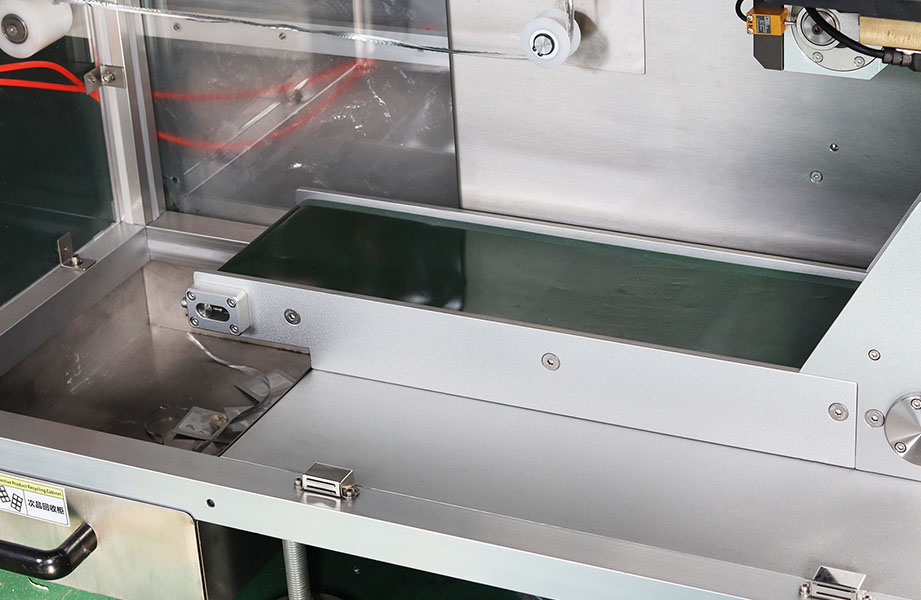
Add a detection and reject system, and any strip with a missing tablet is diverted to its own conveyor and collected separately, so it never reaches your good output.
Tension Balancers and Air Shafts
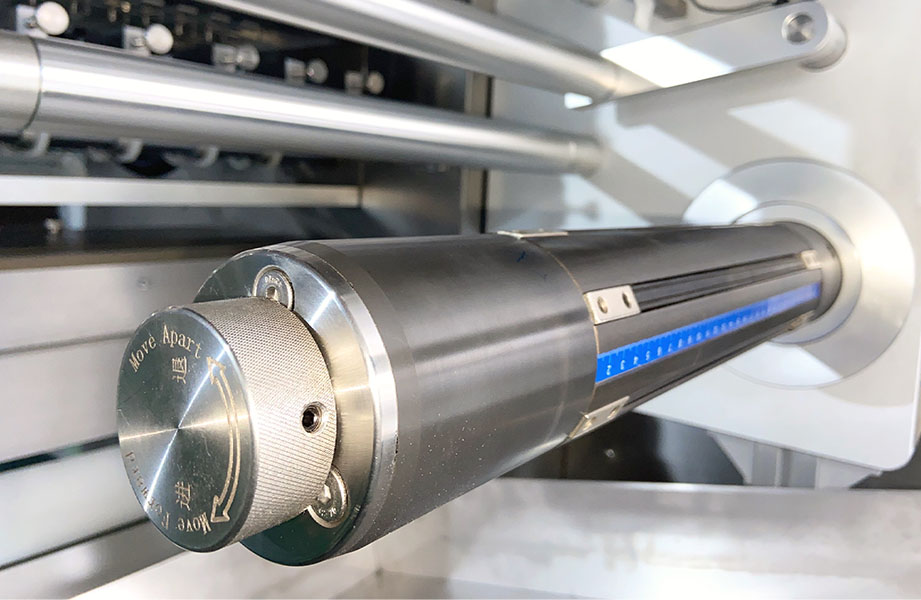
Each foil roll has its own tension balancer, so both webs feed evenly across the full width. Rolls load on pneumatic air shafts with limit rings, so a new roll goes on in the same position every time.
Strip or Blister? Then Which Width?
A clear PVC blister shows the product. A foil strip doesn’t. If shelf presence matters more than barrier, you want a blister machine, not this one.
Effervescent tablets, probiotics and light-sensitive vitamins are where a strip earns its place — foil on both faces, nothing stretched thin.
The SP220 cuts with an air cylinder, set by hand. The SP300 and SP400 cut with a servo, set on the touchscreen. The SP500 runs every station on a servo motion controller. If you change layout between SKUs, skip the SP220.
220, 300, 400 or 500 mm. More width means more lanes at the same drum speed — but only if your tablet and strip layout actually fill it. Send us both and we’ll tell you.
What These Machines Pack
Model comparison
Model | Film width | Drum speed | Cutting | Output | Heating |
APK-SP220 | 220 mm | 7–14 rpm | Air cylinder | 20,000 – 60,000 pcs/h | 1.5 kW × 2 |
APK-SP300 | 300 mm | 7–14 rpm | Servo | 20,000–80,000 pcs/h | 1.2 kW × 2 |
APK-SP400 | 400 mm | 7–14 rpm | Servo | 20,000–120,000 pcs/h | 1.5 kW × 2 |
APK-SP500 | 500 mm | 6–20 rpm | Full servo, motion controller | Depends on layout | 1.5 kW × 2 |
Output depends on your tablet size and how many lanes fit across the film. Tell us both and we’ll give you your number, not the headline one.
Product Range Overview
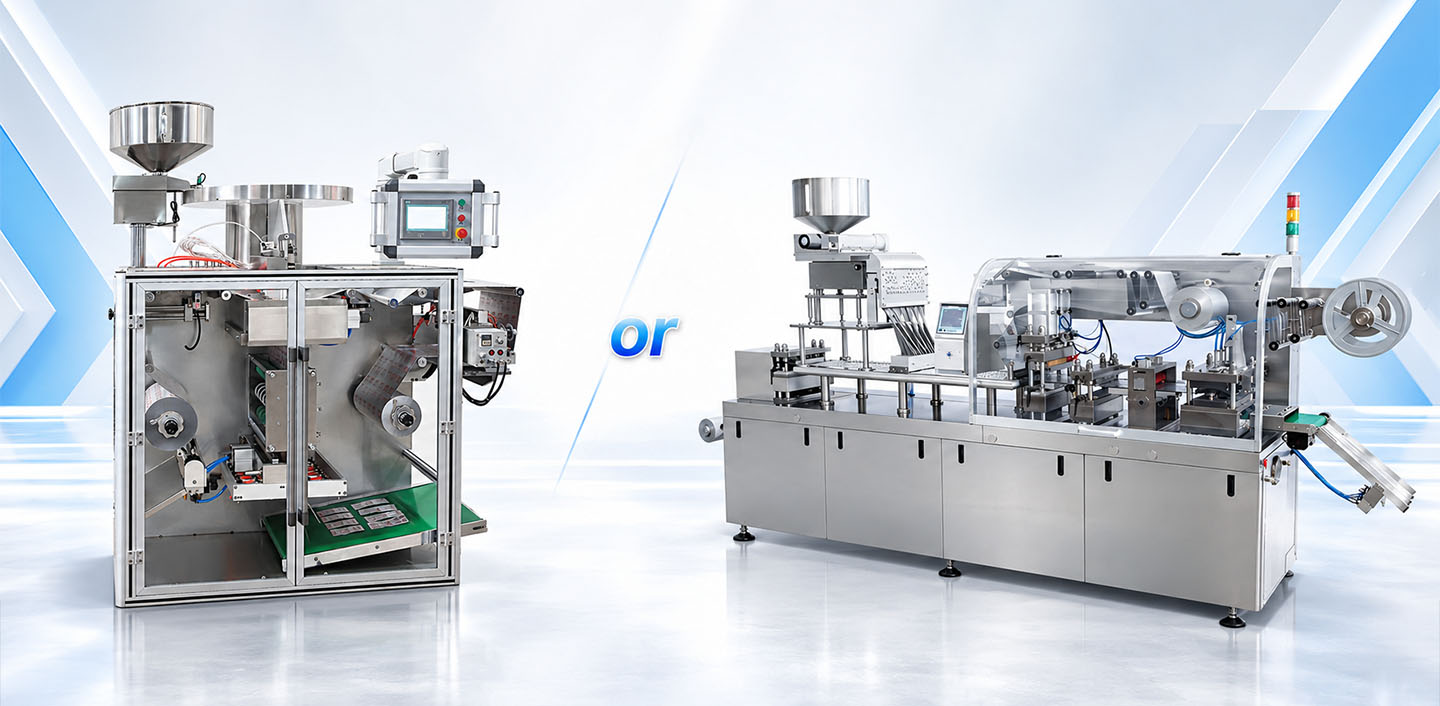
Four machines, from air-cylinder cutting on 220 mm film to full servo on 500 mm.
Tablet size decides the roller dies; strip layout decides the width and the cutting. Post us a few samples and tell us the layout, and we’ll tell you which model fits — including when it’s the smaller one.
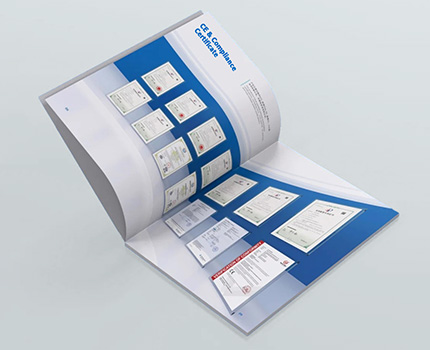
Documentation & Selection Support
Verify our quality standards and simplify your procurement process with our official documentation.
Product Portfolio
Quality Assurance
Roller Pocket, Designed from Your Samples
FAQs on Strip Packing Machines
A blister machine heats plastic and stretches it into a pocket, then seals foil over it. A strip machine forms nothing — two soft foils are heat-sealed around the tablet on rollers. Because nothing is stretched, both faces keep the full foil thickness. Blisters show the product and suit taller items; strips give a full light and moisture barrier and fold flat.
The SP220 cuts with an air cylinder: reliable, lower cost, and set by hand when you change layout. The SP300 and SP400 cut with a servo, so strip length and cutting stroke are set on the touchscreen. The SP500 puts every station on a servo motion controller. If you change strip layout between SKUs, start at the SP300.
Tablets feed from a vibrating hopper and pass a screen that separates broken pieces before they reach the rollers. A fragment caught in the seal margin is what causes a leak, so this is where most sealing problems are prevented.
On a 400 or 500 mm roller, the edges lose heat faster than the center, and an outer lane that runs cool won’t seal properly. Each sealing roller has its own heater and its own temperature controller, reading from a sensor in the roller, so the temperature holds across the full width. Send us your foil and we’ll run a strip on the full width so you can check the outer lanes yourself.
An extra set of roller dies, feeder change parts, one-side or two-side eye-mark registration for printed foil, and a detection and reject system for missing tablets. Tell us which you need at the quotation stage.
Yes. The strip machine can be linked to a downstream cartoner so the two run at matched speeds — if the cartoner slows for a jam, the strip machine slows with it rather than piling strips at the transfer.
A kit of wear parts ships with your machine. Every part in the kit, and the lead time for anything outside it, is listed in your quote in writing.
Yes. Our machines are certified and use certified electrical components. Because the exact scope depends on the model and electrical configuration you select, our factory confirms it in writing before production.
Send us your tablet and your strip layout
Tablet size decides the roller dies. Strip layout decides the width and the cutting. Send us both and we’ll tell you which model you need and what it will actually produce.
- Reply within one business day
- Roller pocket designed from your samples
- We keep your product specs confidential.