
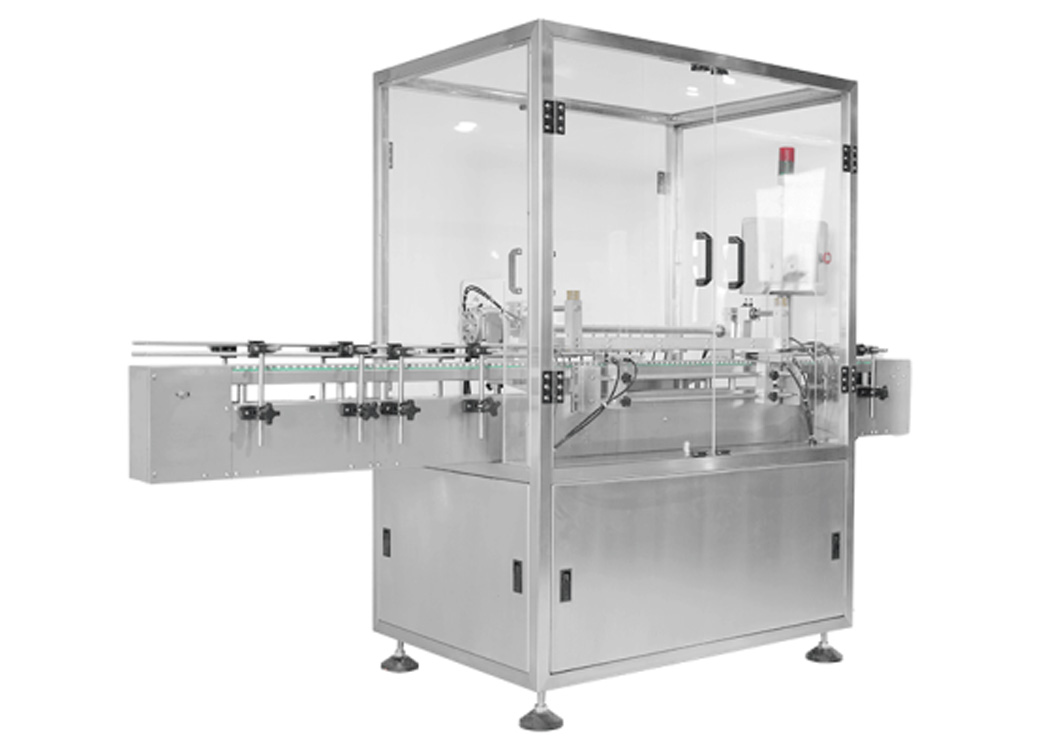
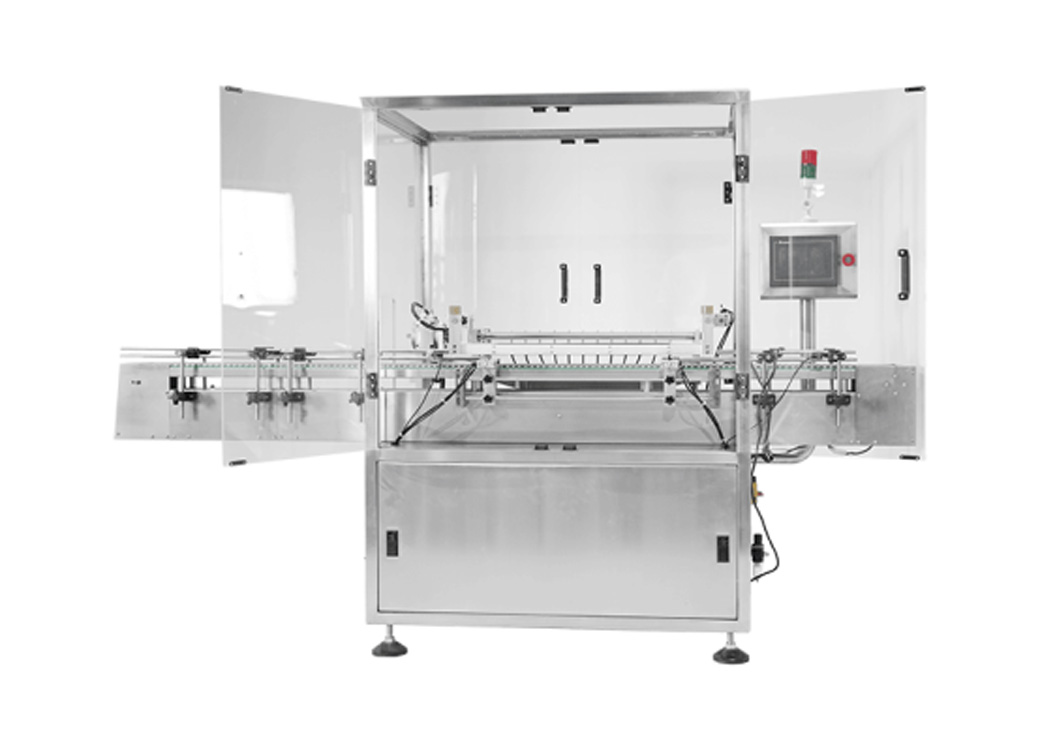
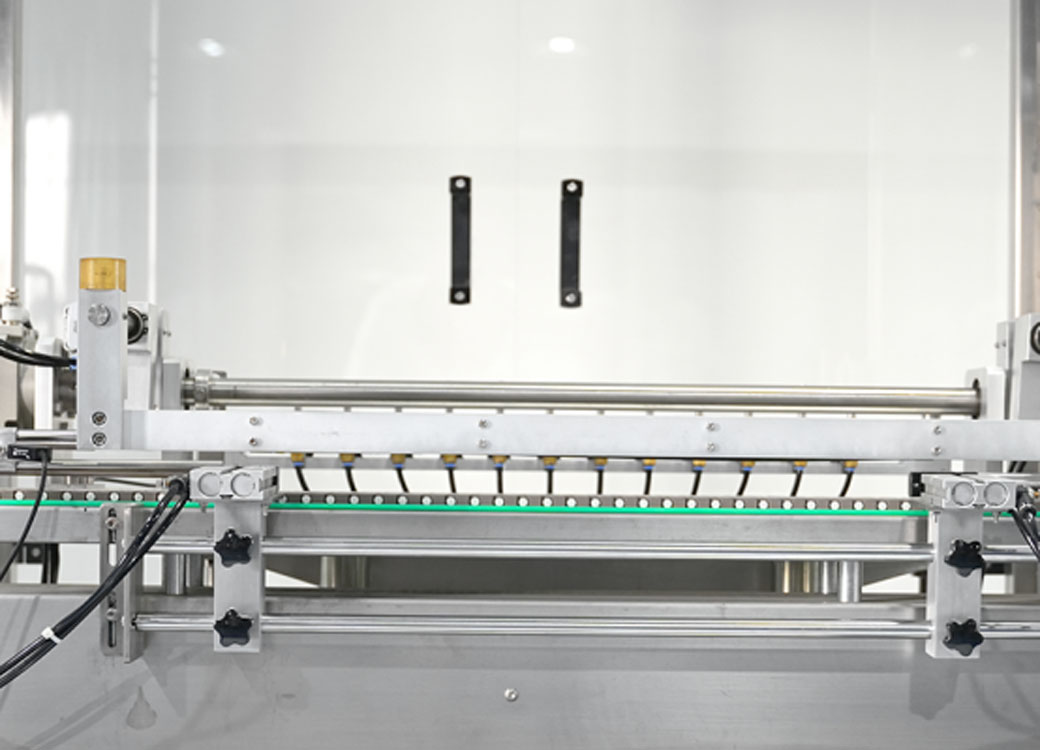
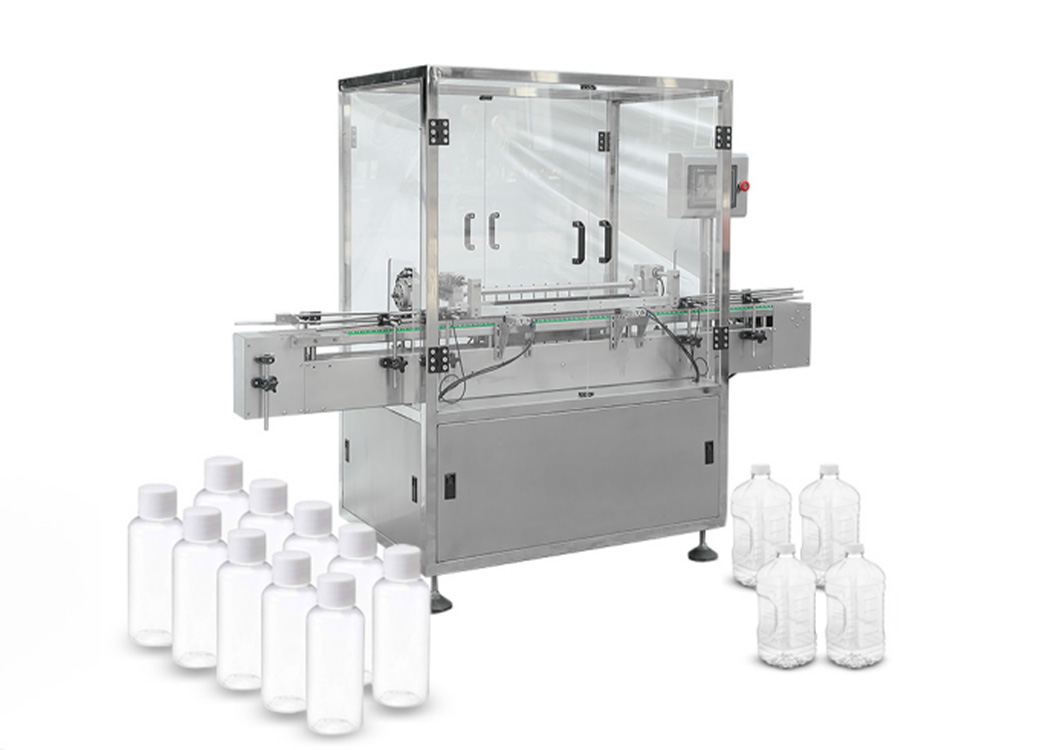
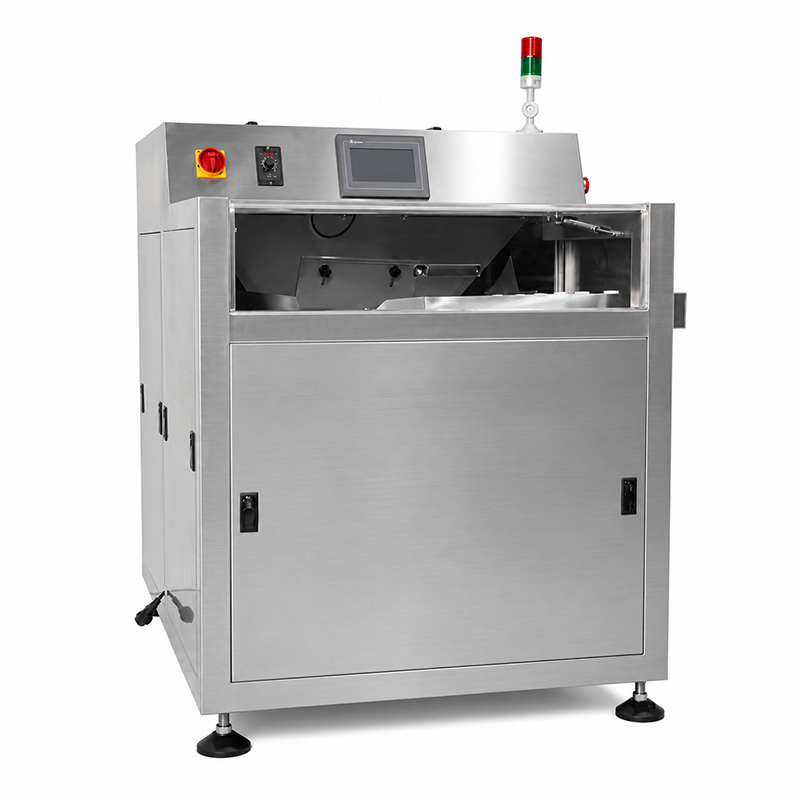
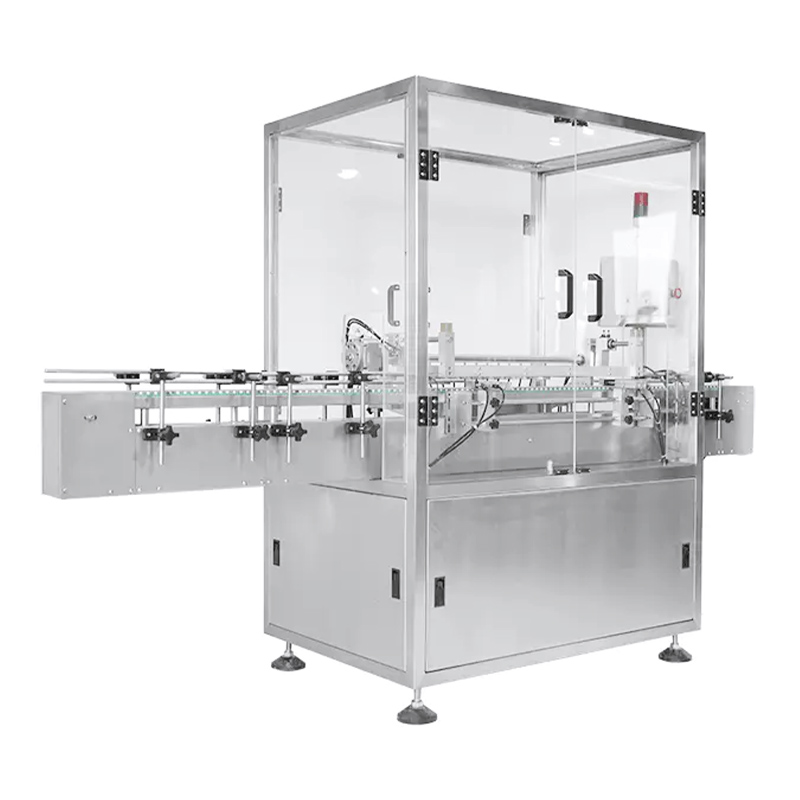
Bottle Air Cleaner

Ionized Air Dusting and Vacuum Extraction for Empty Bottles

Empty bottles arrive with dust from molding and static from transport. Both end up in the finished product unless something removes them first — and once the bottle is filled, it is too late.

50–500 ml Bottles
2–5 Cleaning Heads
Dry Process, No Water

New plastic bottles are not clean. They carry release agent residue and fine particles from molding, they pick up cardboard fiber in transit, and by the time they reach your line they hold a static charge strong enough to keep every one of those particles stuck to the inner wall.

The APC-XP removes both. Ionized air neutralizes the static so particles release from the wall, and a sealed vacuum draws them out of the bottle rather than blowing them into the room. The whole cycle takes 5 to 8 seconds per bottle with no water, no drying stage and no wastewater.

It sits between the unscrambler and the counting machine, and it is the last chance to get anything out of the bottle before product goes in.

Why AIPAK Bottle Air Cleaner

Neutralizing Static Before Dust Removal

Neutralising Static Before Dust Removal

Blowing air into a statically charged bottle moves the dust around; it does not remove it. The APC-XP generates ionized air that neutralizes the charge on the bottle wall first, releasing the particles so they can be extracted. This is the difference between a bottle that looks clean and a bottle that is clean — and it is why a simple air blower is not a substitute.

Drawing Dust Out, Not Blowing It Around

Drawing Dust Out, Not Blowing It Around

Extraction is fully enclosed and under negative pressure, so the particles leaving the bottle go into the vacuum system rather than into the packing room. Dust blown out of one bottle and settling on the next is not contamination control.

Matched to Your Line Speed

Matched to Your Line Speed

Head count is specified to your throughput rather than fixed. Each head completes a 5 to 8 second cycle, so the number of heads determines how many bottles the station clears per minute. Tell us your target line speed and we will specify the configuration.

No Water, No Drying, No Wastewater

No Water, No Drying, No Wastewater

Unlike a rinser, the APC-XP uses no liquid at any stage. That means no drying tunnel downstream, no wastewater to treat, and no risk of residual moisture reaching a moisture-sensitive product — which is the whole reason a desiccant goes into the bottle further down the line.

Key Features

  • Ionized Air: Neutralizes static on the bottle wall so particles release rather than being redistributed.
  • Sealed Vacuum Extraction:Enclosed negative-pressure extraction removes dust from the workspace, not just from the bottle.
  • 2–5 Cleaning Heads:Head count specified to your line throughput.
  • 5–8 Second Cycle:Per-bottle cleaning time, adjustable within range.
  • 50–500 ml Bottle Range:Covers standard supplement, protein and sports nutrition containers.
  • Dry Process:No water, no drying stage, no wastewater treatment.

Technical specification

Feature

APC-XP Specifications

Throughput

25 – 33 bottles / min

Applicable Bottle Volume

50 – 500 ml

Cleaning Heads

2 – 5 (specified to line speed)

Cleaning Cycle

5 – 8 seconds per bottle

Cleaning Method

Ionized air with sealed vacuum extraction

Bottle Material

Plastic

Control System

PLC control

Power Supply

1.5 kW, 60 Hz. Built to your U.S. supply; we confirm the voltage with your quote

Compressed Air

Not required

Overall Dimensions

1,800 × 800 × 2,000 mm (L×W×H)

Net Weight

550 kg

Construction Material

304 stainless steel

Industrial Applications

Bottles that arrive in bulk bags
Products where a visible particle becomes a complaint
Moisture-sensitive products

Where the Air Cleaner Sits on Your Line

SEVEN STATIONS, ONE LINE

A complete counting and bottling line runs seven stations. The air cleaner sits second — after the unscrambler has oriented the bottles, and immediately before the counting machine fills them.

That position is not arbitrary. Cleaning has to happen after orientation, because the bottle must be neck-up for the air lance to reach inside; and it has to happen before filling, because once product is in the bottle nothing more can be extracted from it.

You do not need to buy the whole line at once. Most customers start with the counting machine and add stations as volume grows.

Station 1

Bottle Unscrambler

Orients bottles neck-up and feeds them onto the conveyor.

Station 2

Bottle Air Cleaner

Ionized air removes static; vacuum draws out dust before filling.

Station 3

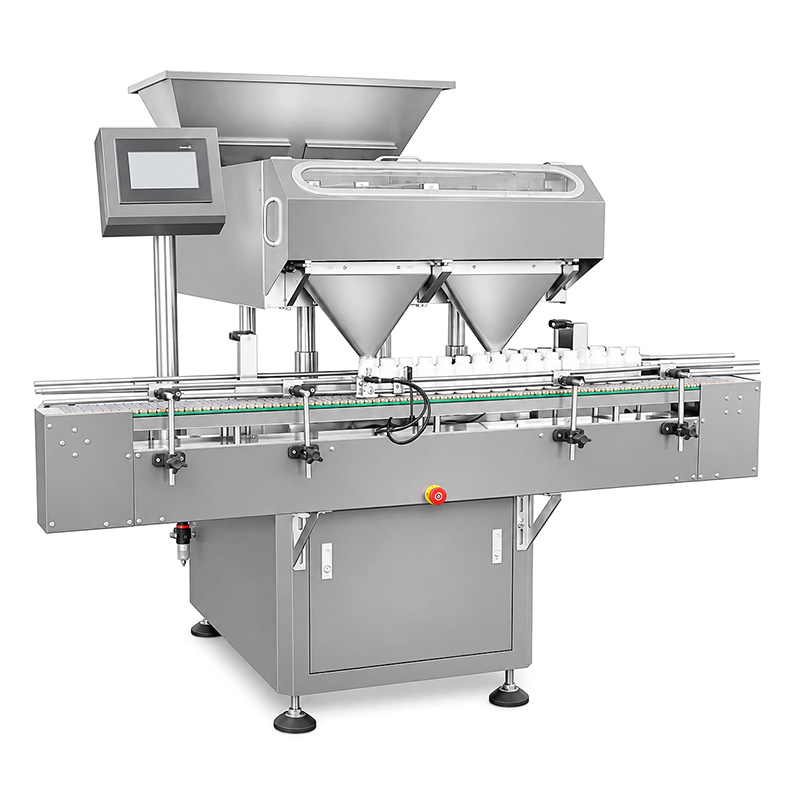
Counting Machine

Counts and fills. Sets the pace of the whole line.

Station 4

Desiccant or Cotton Inserter

Adds moisture control or fill material on top of the product.

Station 5

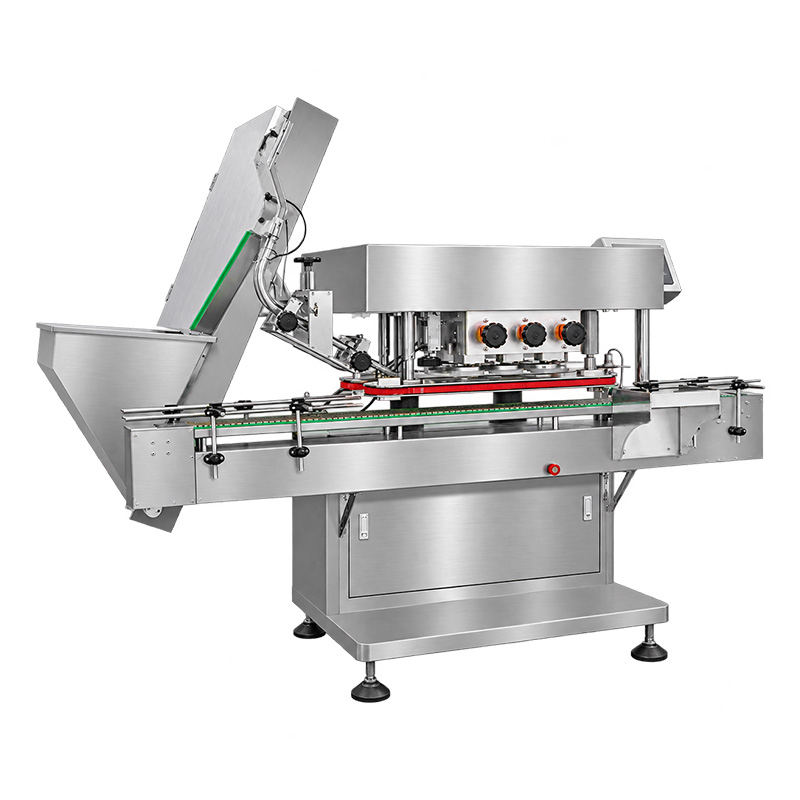
Capping Machine

Applies and torques the cap; rejects crooked and reversed caps.

Station 6

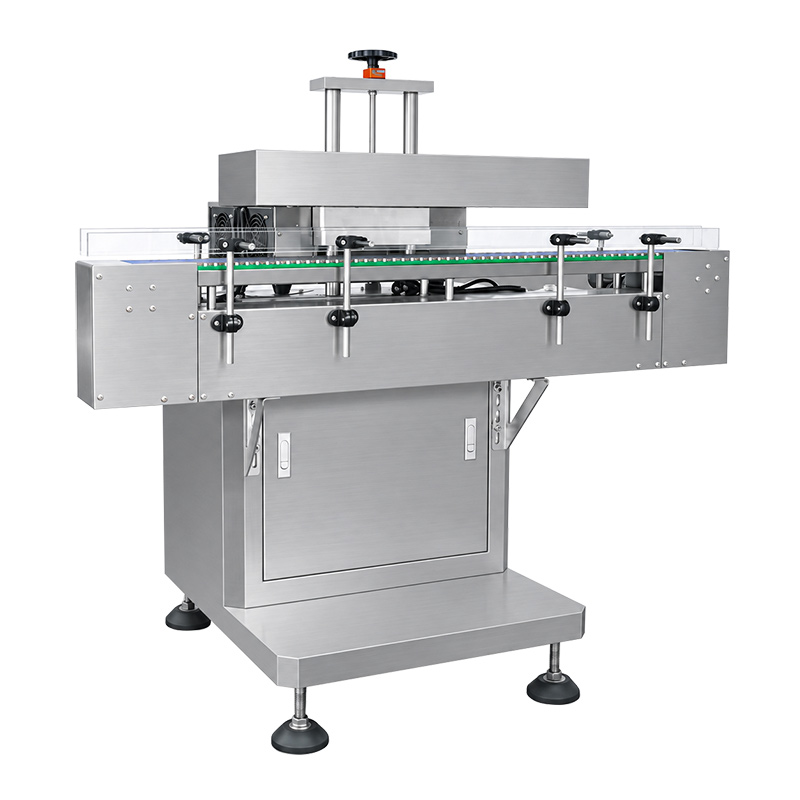
Induction Sealer

Bonds the foil liner to the bottle mouth.

Station 7

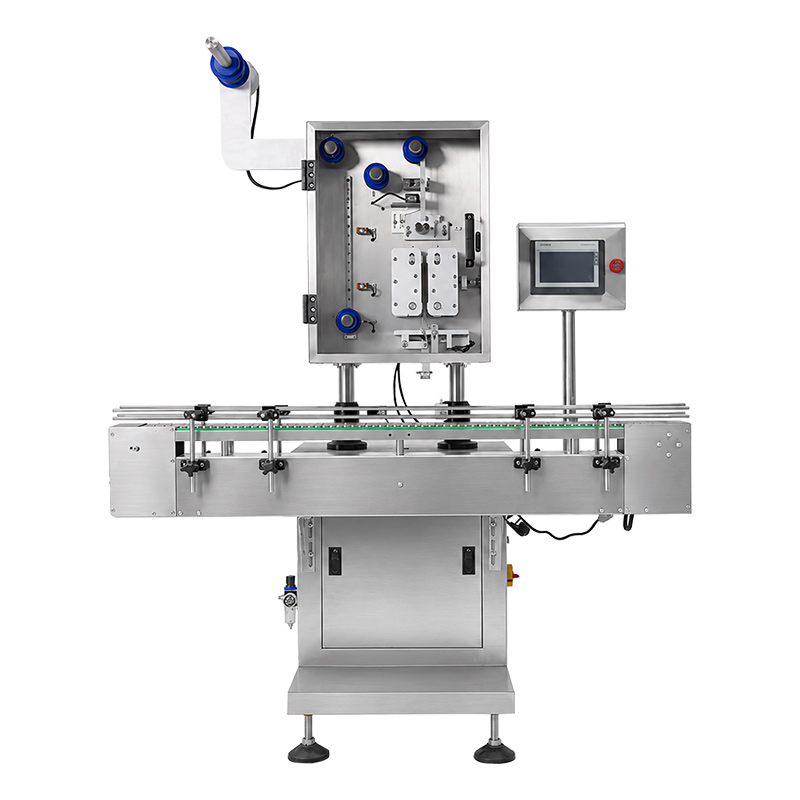
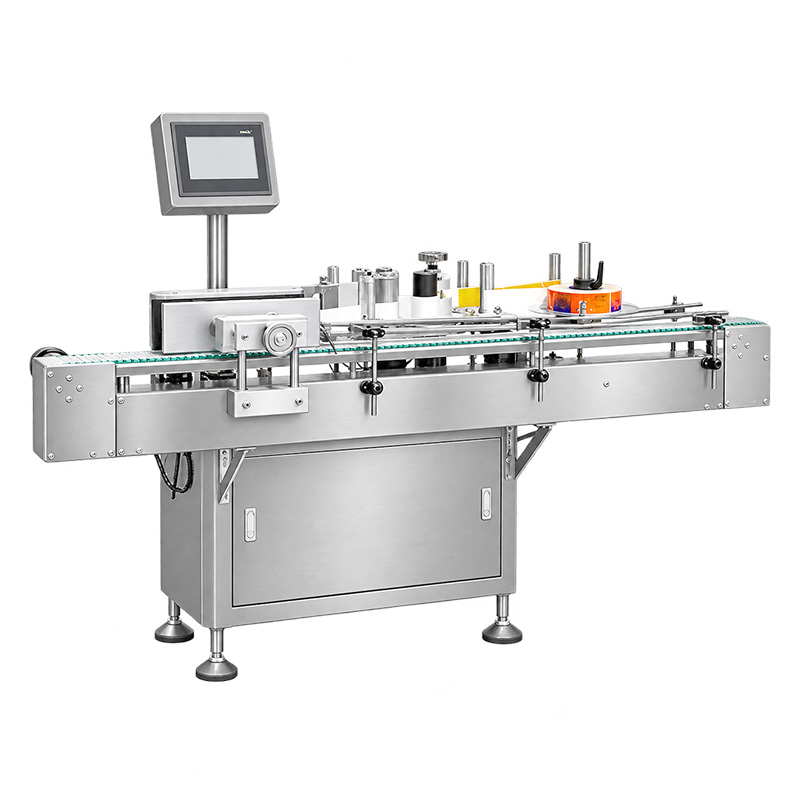
Labeler

Applies the label and discharges the finished bottle.

Documentation & Selection Support

Verify our specifications and simplify your procurement process with our official documentation.

Product Portfolio

Product Portfolio

Full technical specifications for the APC-XP, including head configurations, cycle times, utility requirements and footprint.
Quality Assurance

Quality Assurance

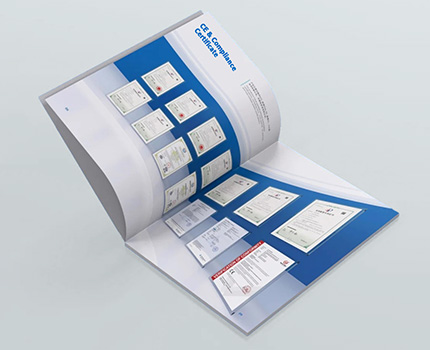
CE Declaration of Conformity, and material certificates available on request.
Technical Standards

Line Layout Template

A dimensioned drawing showing the air cleaner footprint, connection points and clearances, for planning where it fits between your unscrambler and counter.

FAQ

Do I really need to clean brand-new bottles?

New bottles are not clean bottles. They carry release agent residue and fine particles from the molding process, they collect cardboard fiber and dust in transit, and static holds all of it against the inner wall. Whether it matters depends on your product and your market — but it is worth deciding deliberately rather than by default, because once the bottle is filled nothing can be removed from it.

What is the difference between an air cleaner and a bottle washer?

A bottle washer or rinser uses liquid, which means a drying stage afterwards, wastewater to treat, and a moisture risk for hygroscopic products. The APC-XP is a dry process: ionised air plus vacuum extraction, with no liquid at any point. For tablet and capsule bottling — where a desiccant goes into the bottle a few stations later — dry cleaning is the appropriate method.

Why ionized air rather than just compressed air?

Because a plastic bottle holds a static charge, and charged particles stay stuck to the wall no matter how hard you blow. Ionised air neutralizes the charge first so the particles release; the vacuum then removes them. Plain compressed air moves dust around inside the bottle without getting much of it out.

Where does the extracted dust go?

Into a sealed vacuum system under negative pressure, not into the packing room. Dust blown out of one bottle and settling on the next is not contamination control.

Is this a bottle blowing machine?

No — and the terms are easy to confuse. A bottle blowing machine forms containers from plastic preforms. The APC-XP cleans containers that already exist. If you are looking for bottle manufacturing equipment, this is not the machine.

How many cleaning heads do I need?

Head count is specified to line throughput rather than fixed. Each head runs a 5 to 8 second cycle per bottle, so more heads means more bottles cleared per minute. Send us your target bottles per minute and we will specify the configuration — this is the single question worth getting right before ordering.

What bottle sizes does it handle?

50 to 500 ml. Below 50 ml the air lance geometry becomes the limiting factor; above 500 ml, contact us with your container dimensions.

Can I add an air cleaner to an existing line?

Yes. It installs between the unscrambler and the counting machine, and needs single-phase power and floor space of 1,800 × 800 mm plus working clearance. Send us your current line layout and we will confirm the fit before quoting.

Does it run on US power?

Yes. We build to your U.S. supply at 60 Hz and confirm the voltage with your quote.

How do spare parts work?

A kit of wear parts ships with your machine. Every part in the kit, and the lead time for anything outside it, is listed in your quote in writing.

Specify the Right Configuration

Head count is what determines whether this station keeps up with your line, and it is the one thing that cannot be changed easily after delivery. Tell us your bottle size and your target bottles per minute, and our engineers will specify the configuration before quoting.

If you are adding to an existing line, send your current layout and we will confirm the fit. If you are configuring a complete line, send your room dimensions and we will return a layout drawing.

Scroll to Top