

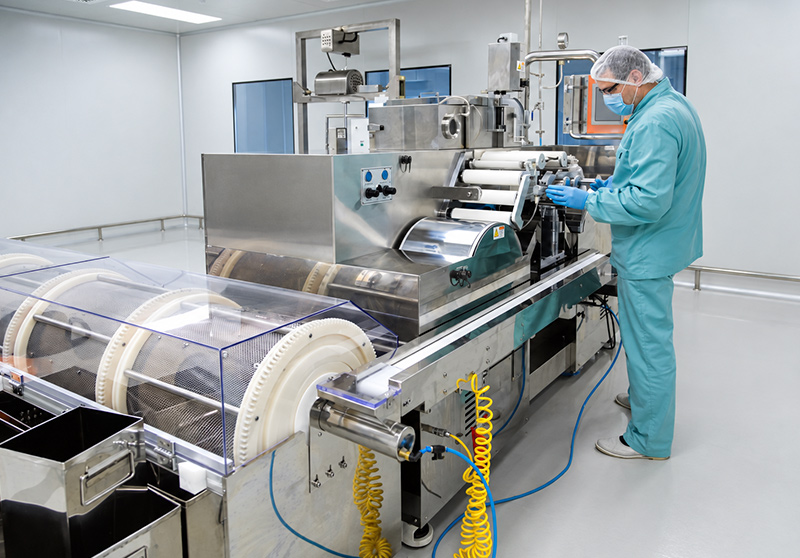
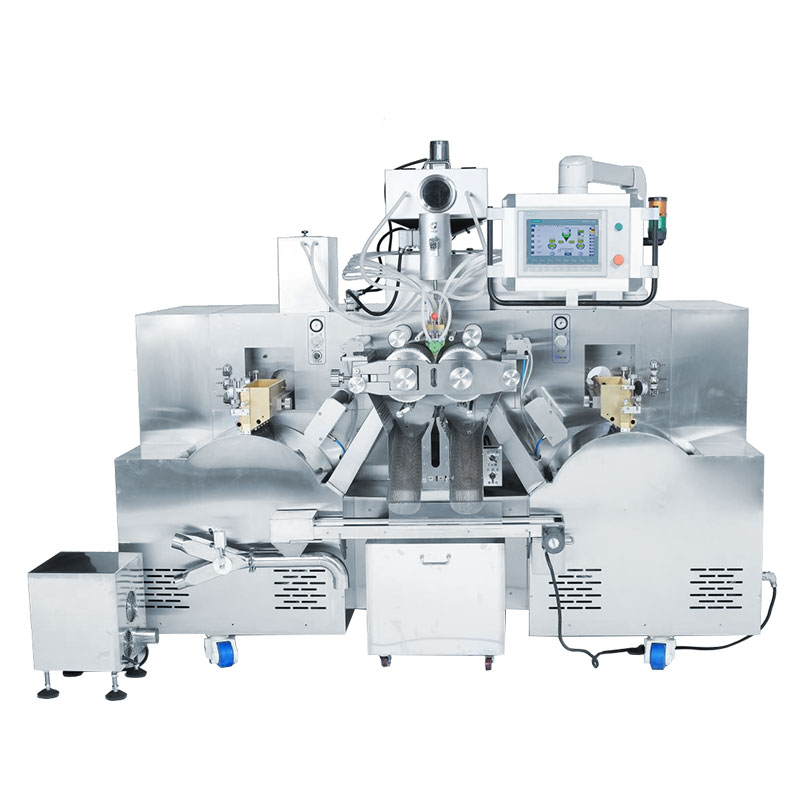
For supplement manufacturers · Complete lines · Built for U.S. power

Softgel Production Lines

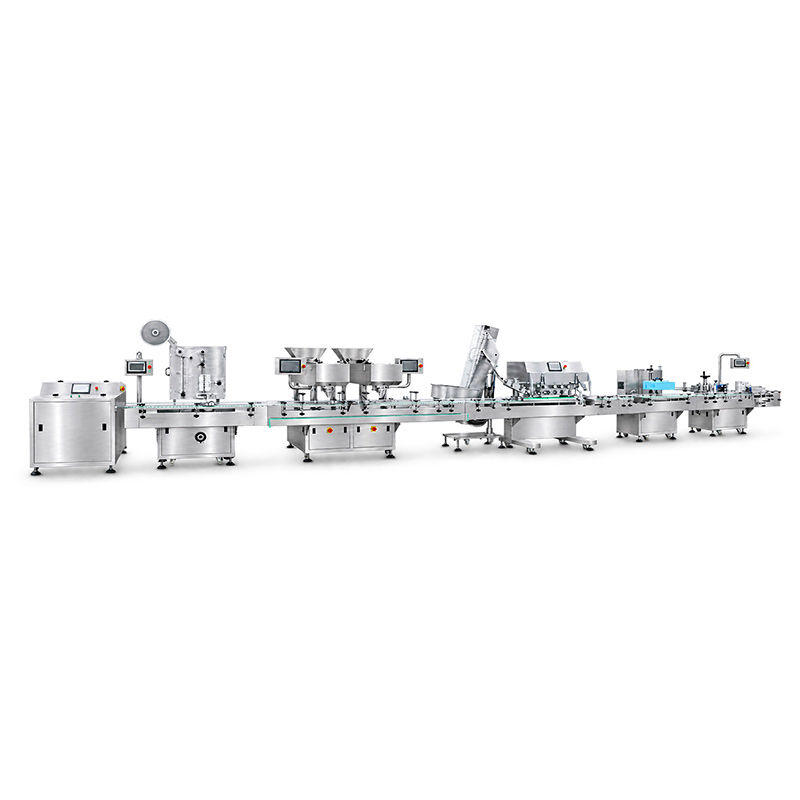
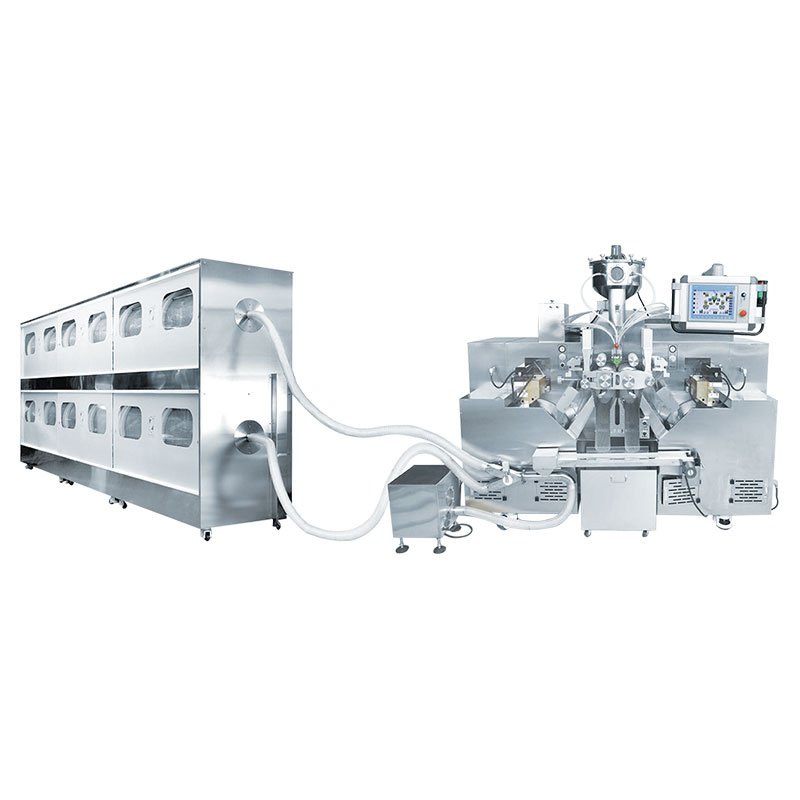
From gel melting to dried, inspected softgels — one factory

Fish oil, vitamin E, CoQ10, curcumin — the softgels you’re paying a contract manufacturer to run today can be run in your own plant. We build the full line, train your operators during commissioning, and give you a standard gel formula to start with, free.

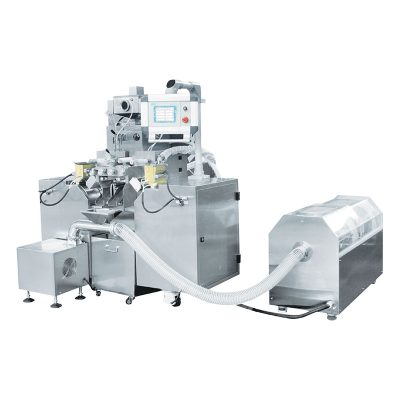
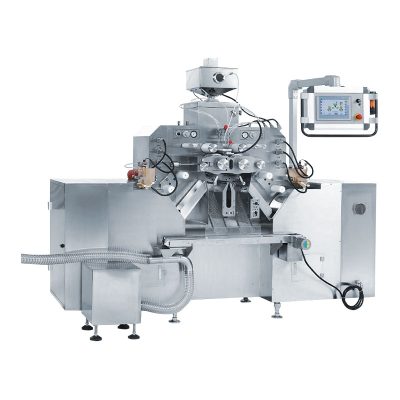
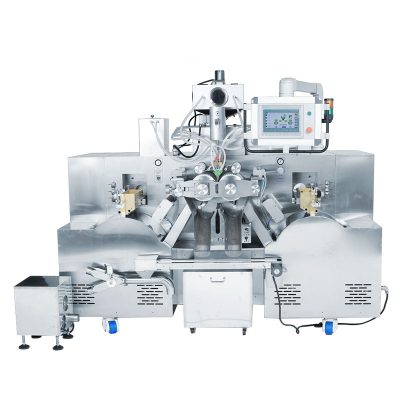
4 Models, From R&D to Full Production
Operator Training During Commissioning
Free Standard Gel Formula to Start
Send Your Fill — We'll Run a Free Trial

Which one is you?

Bringing it in-house

Your contract manufacturer has an eight-week queue, and every formula change means a new quote. You want to run your own.

Replacing or expanding an old line

Ribbon thickness on your old line depends on one person watching it. When they’re out, the whole line drifts.

Adding a dosage form

You already run gummies and hard capsules. A customer wants fish oil softgels, and you need to add a line.

The shell is made in your plant. That's why it's a line, not a machine.

① Gel Melting Water-Bath Heated · Recipes Stored ② Fill Prep Oils Direct · Suspensions Milled ③ Encapsulation Two Ribbons + Wedge + Die Rolls ④ Tumble Setting Surface-Dries, Stops Sticking Tray Room Or Tumble Dryer ⑤ Final Drying 30+ Hours Or 10–16 Hours ⑥ Inspection Light Table Or Optical Gel Fill Wet Softgels

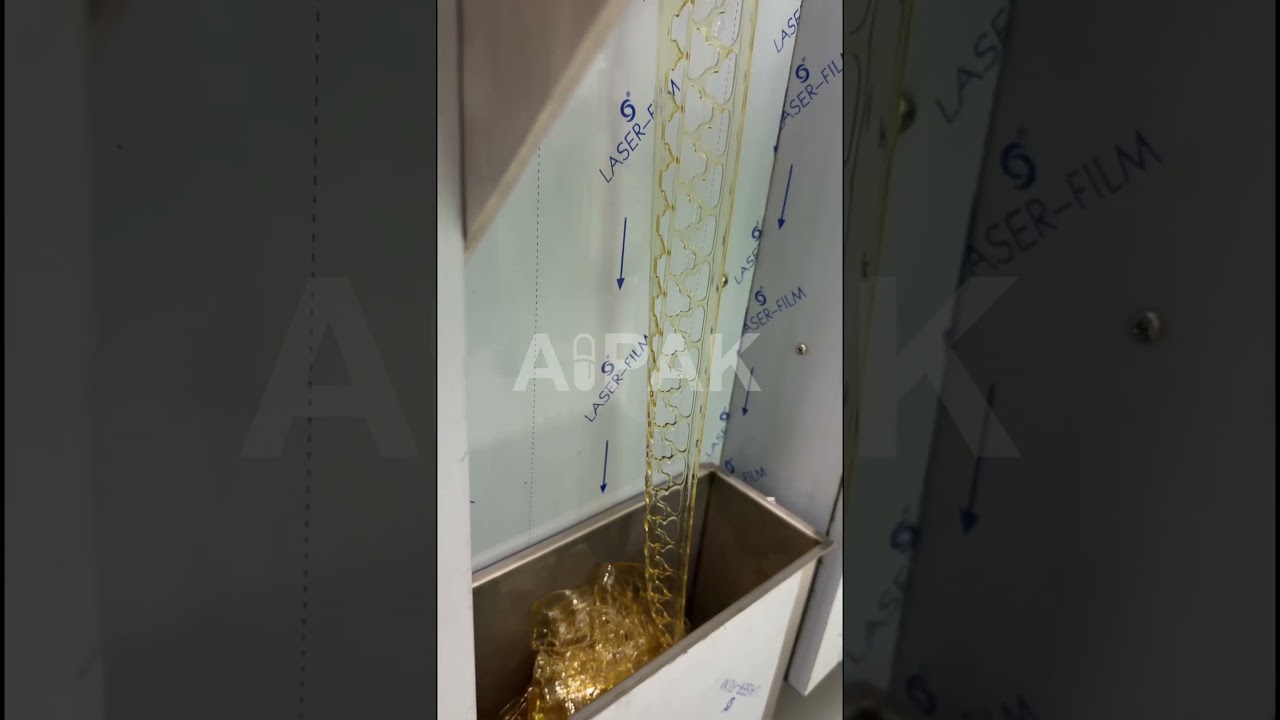
Gel is cooked in ①, the fill is prepared in ②, and the two meet in ③ where softgels are formed. They come out soft; ④ and ⑤ dry them before ⑥ inspection and packaging. Drying isn’t an accessory — it decides your room and your schedule.

Gel Ribbon (L) Gel Ribbon (R) Fill (Oil / Suspension) Wedge · Water-Bath Heated

Die Roll · pockets set the shape

Die Roll · model number = length

softgels

All four models work this way. The differences are die-roll length (pockets per turn) and whether it’s servo-driven.

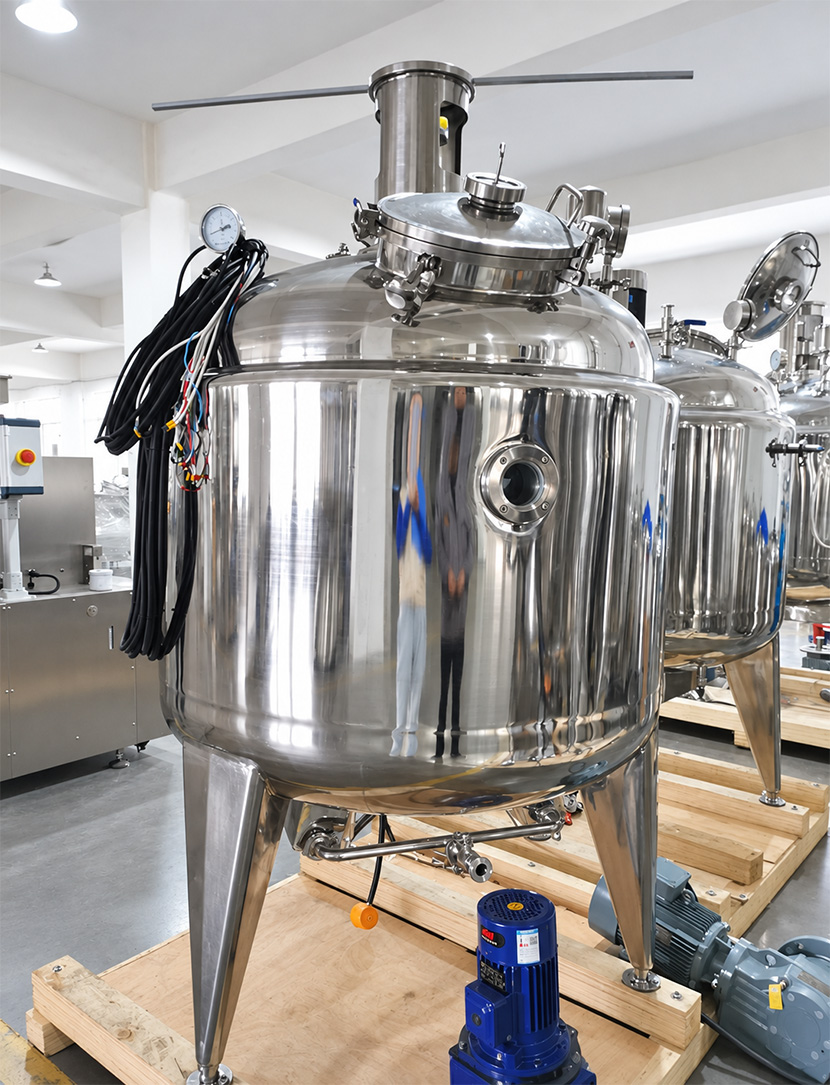
① Gel melting system

Fully automatic (weighing / heating / vacuum / one-button CIP) or standard — your batch size decides.

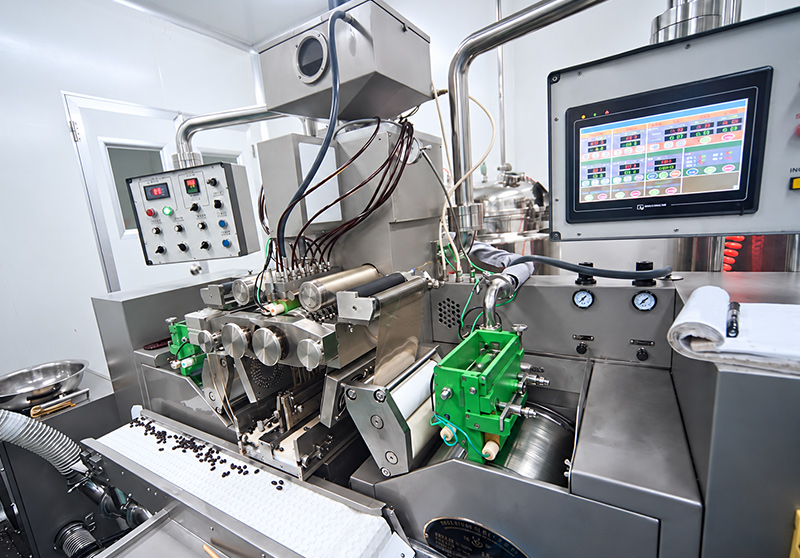
③ Encapsulation machine

Four models, die rolls 100 / 120 / 250 mm.

④⑤ Drying

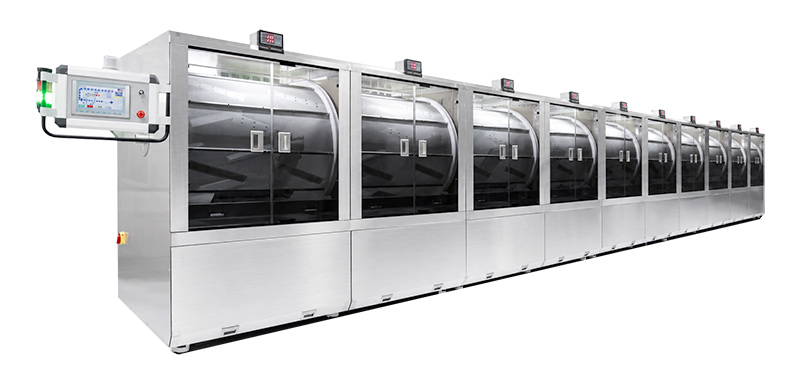
Tray drying room or tumble dryers with built-in dehumidification. Two routes.

Tooling

One set = two die rolls + distributor plate + wedge; shape and size cut to your capsule.

Four models — the number is die-roll length, not speed

A bigger machine doesn’t spin faster. It has a longer die roll, so more pockets per turn. The same machine runs 3× more small capsules than large ones per hour — which is why we ask your capsule size before we quote output.

SEM-100II-400x400
SEM-100-II Lab

Die roll 80×100 mm · 6 plungers
Fill 0–1.5 mL · up to 5 RPM
Accuracy ±1.5%

Best for: R&D, formula trials, small pilot batches. Small volume isn’t a reason not to buy — it’s a reason to buy this one.

SEM-120-III-1-400x400
SEM-120-III Servo

Die roll 150×120 mm · 8 plungers
Fill 0–2 mL · up to 6 RPM
Accuracy ±0.5% oils / ±1.5% suspensions

Best for: mid-volume production; or a bit more volume on a tighter budget, with servo automation.

SEM-250-II-400x400
SEM-250-II Our usual recommendation

Die roll 150×250 mm · 20 plungers
Fill 0–2 mL · up to 5 RPM
Accuracy ±0.5% oils / ±1.5% suspensions

Best for: most production plants — one or two products running all day.

SEM-250-IIIA
SEM-250-IIIA Servo · top spec

Die roll 150×250 mm · 20 plungers
Fill 0–2 mL · up to 7 RPM
Accuracy ±0.5% oils / ±1.5% suspensions

Best for: many products and sizes, and plants that want to depend less on a veteran operator.

Power

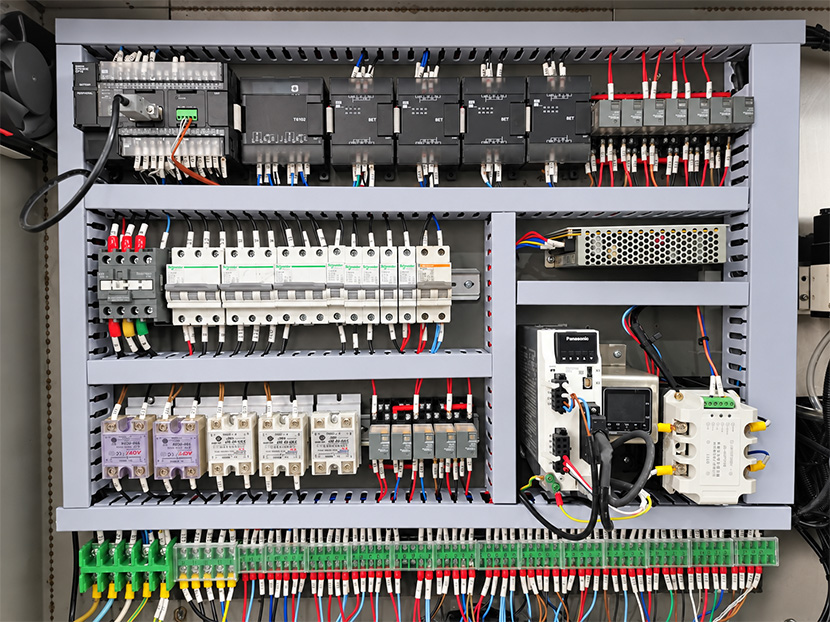
The whole line — the machine and its auxiliaries: vacuum pump, chiller, tumble dryers — is built for your local supply: 60 Hz, 480 V or 208 V.

Searching for “price”? Four things set the price of a line

① Which machine ② Tray drying or tumble dryers ③ How automated the gel melting is ④ How many tooling sets. Tell us those four and the quote will be accurate.

What the servo models (III / IIIA) actually change

Function Standard II Servo III / IIIA What it means for you
Die-roll synchronization Timing gears Two independent servo drives, no timing gears One less set of wearing parts
Die alignment Manual Alignment-free design + one-button registration Faster tooling changes, no “feel” required
Fill-weight adjustment Stop and adjust by hand Adjust on the touchscreen while running No downtime to tune
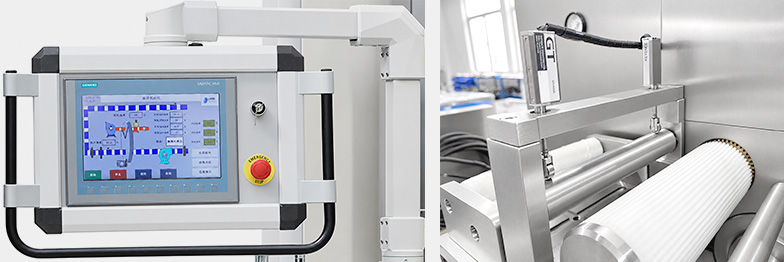
Ribbon thickness Watched and adjusted by hand Contact sensors + automatic control (option, recommended) Less gel used, steadier thickness, one fewer person watching the line

Straight answer: if you run one or two products all day, the standard 250-II is enough. If you change products and sizes often, or you don’t have an experienced operator, the servo pays back the difference in changeover time and labor.

The nameplate doesn't set your output. The tooling and the fill do.

Same 250-IIIA, two tooling sets, pockets per turn

small-die-roll-pockets

Small (3 oval) · many pockets per turn · rated 259,200/hr

large-die-roll-pockets

Large (20 oblong) · few pockets per turn · rated 85,680/hr — a 3× difference

Output = RPM × pockets per turn. Pockets per turn come from the tooling; the tooling comes from your capsule shape and size. The fill matters too: suspensions run slower than oils.

≈ 40,000 / hr

Fish oil (oil fill) · SEM-120-III, actual production

≈ 28,000 / hr

CoQ10 (suspension) · the same SEM-120-III

Tell us your capsule size, fill type and daily target and we’ll size the machine and the drying section for you.

Not sure your formula will encapsulate? Send us the fill. We’ll run it, free.

The trial run costs nothing; you cover shipping both ways. We send you the results, and you decide whether to move to a quote.

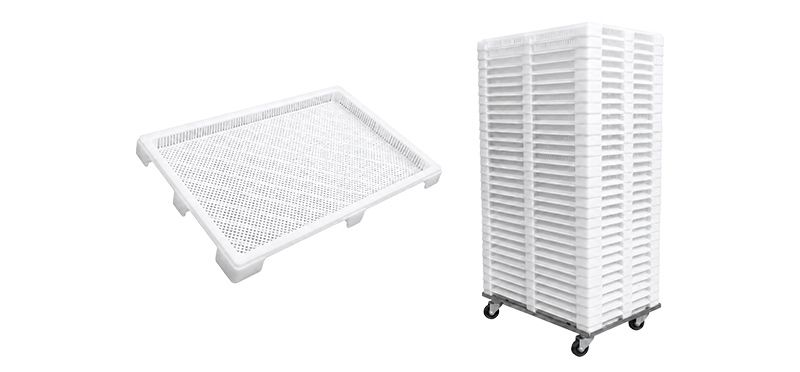
Drying decides your room and your schedule — two routes

The difference between the two routes at a glance

Trays + drying room Tumble dryers (built-in dehumidification)
Room Dedicated drying room + dehumidifier No drying room needed
Labor Turn fresh softgels every 2 hours Set parameters and leave it
Upfront cost Low High
Best for Budget first, spare room available, relaxed shifts Continuous scheduling, fewer people, tight on space

The most common way a softgel line fails isn't the machine. It's no formula and nobody who can cook gel.

Cooking gel is the “chef’s job” on a softgel line. How well the gel is made decides how well the softgels come out. A lot of plants that want a softgel machine never buy one because they get stuck right here.

We train your operators during commissioning.

3–4 weeks for a 250 line, about 2 weeks for a 120 line, with our engineer running the line in your plant.

We give you a standard gel formula to start with, free.

Get the line running first, then tune your own.

Need a custom formula? We can arrange that too.
cook gel

From delivery to running it yourself

Commissioning
Operator training
Standard formula
free
Custom formula
optional · on request

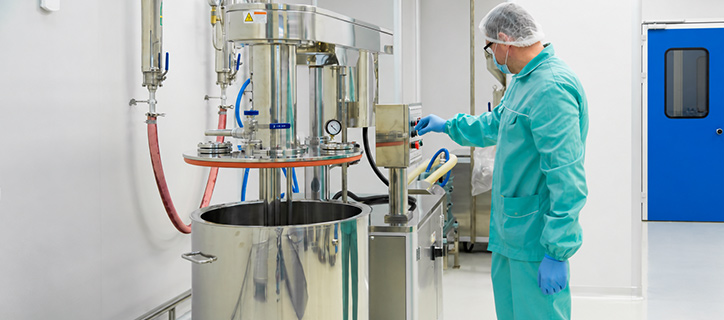
What your room needs

Controlled temperature & humidity — heat and humidity directly affect ribbon forming Prep · washing Gel melting Encapsulation Drying tray room or tumble area Inspection · hold door

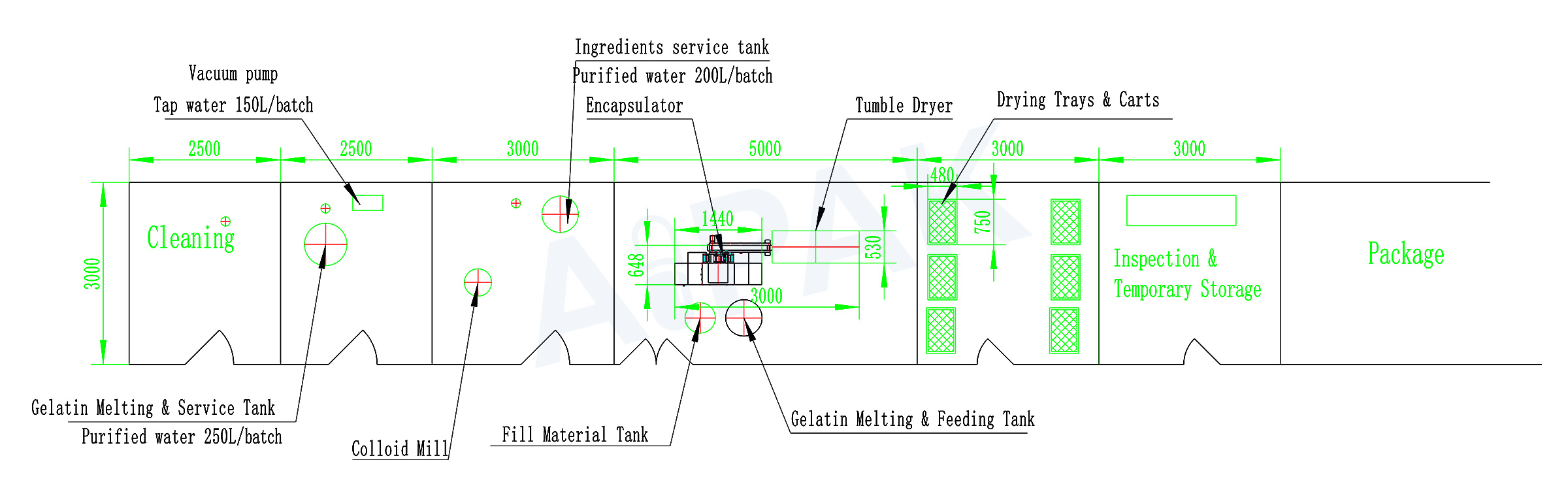
L × W × H = ? Doors and columns = ? → Send it to us for a free layout

Three things to plan ahead: ① a temperature- and humidity-controlled zone from gel melting through drying ② three utilities — chilled water, compressed air, purified water ③ drying floor space — choose tumble dryers and you can skip the drying room. Specific values come with your layout proposal.

Send us your floor dimensions — length, width, height, and where the doors and columns are — and we’ll lay out your line and check the space for free.

Example layout for a 120 line: about 19 m long and 3 m wide before packaging. Dimensions in mm. Your layout is drawn to your own room.

What your facilities lead and QA will ask first

How do we power it?

The whole line, auxiliaries included, is built for your local supply: 60 Hz, 480 V or 208 V.

Do we have to declare it on import?

Yes. Under U.S. federal rules, a softgel encapsulation machine counts as an encapsulating machine, and its import must be declared to the DEA on Form 452 before it arrives. We supply the machine details you need for the filing. Confirm the exact requirements with your customs broker.

What's the product-contact material?

304 stainless steel as standard; 316 available on request (at a higher cost). 

What documents ship with the line?

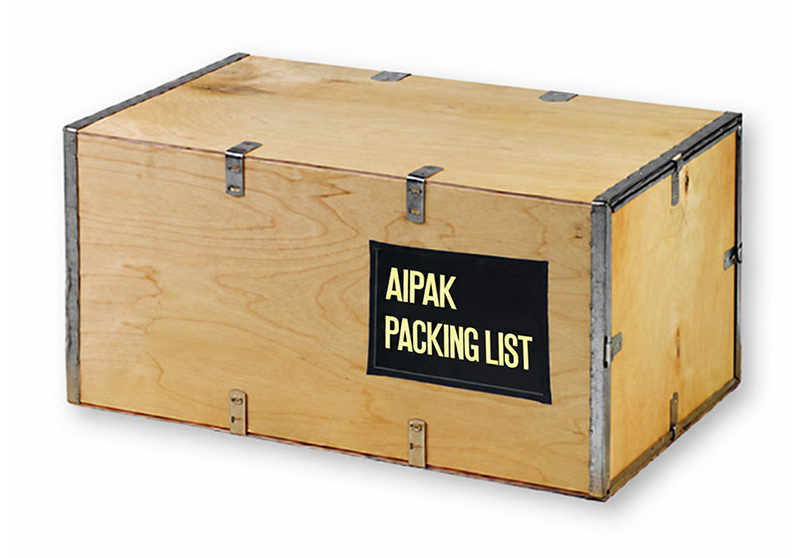
Each line ships with an operating manual, the commissioning record and a spare-parts list.

Can it run plant-based softgels?

Yes, but it’s not just a different gel powder: the wedge, gel piping and gel-tank agitation are configured for the gel system. We spec the machine for your plant-based gel. Read more about plant-based softgels →

Wear parts and spares?

A kit of wear parts ships with your line. Every part in the kit, and the lead time for anything outside it, is listed in your quote in writing.

Let’s be clear about when this line isn’t the answer

Small volume? That’s not a reason to skip it — it’s a reason to pick the small machine.

Softgels can only be made on a softgel machine; there is no other route. The only question is whether you’re at lab scale or production scale. Lab scale gets the SEM-100-II, not a 250.

You want to fill a liquid but don't want to cook gel

Liquid-filled hard capsules use bought-in empty shells, so there's no gel making. That may suit you better.

You can't free up a temperature- and humidity-controlled area for encapsulation and drying

Fix the room first, then talk equipment. Send us the floor plan and we'll look at it with you.

You need a local technician on site the same day

A U.S. brand will serve you better. Our support model is in the questions above — judge for yourself whether it’s enough.

Not sure which side you’re on? Tell us your product and volume and we’ll tell you straight.

From order to making your own softgels: how long

Total time to production, not ship date

Production · about 3 months
Ocean freight · 1+ month
Customs + declaration
Commissioning + training
FAT before shipping, run with your fill
about 4 months to port
250 line 3–4 weeks · 120 line about 2 weeks

On-site commissioning and training is a paid service; the engineer’s travel and lodging are on the customer, and the fee is stated in the proposal. Warranty: 2 years of free wear parts and spares; large or high-value parts quoted separately when needed. 

FAT full-line
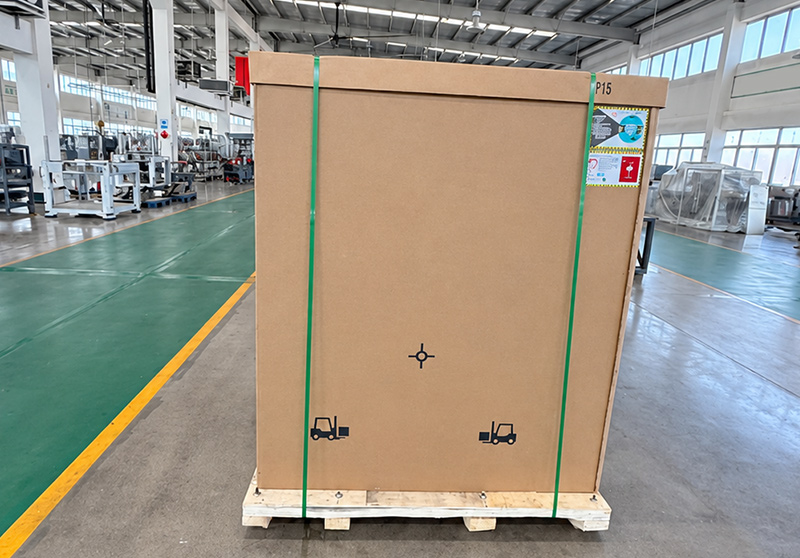
Document package in the crate
Commissioning

Tell us what you want to encapsulate

An engineer reviews your answers and replies with a line recommendation and configuration notes.

FAQ

Do I have to declare a softgel machine when importing to the U.S.?

Yes. Under U.S. federal rules, a softgel encapsulation machine counts as an encapsulating machine, and its import must be declared to the DEA on Form 452 before it arrives. We supply the machine details you need for the filing. Confirm the exact requirements with your customs broker.

Can you build for U.S. power?

Yes. The whole line, auxiliaries included: 60 Hz, 480 V or 208 V.

What's the warranty?

2 years of free wear parts and spares; large or high-value parts quoted separately.

How long until we're producing?

About 3 months production + about a month of shipping + customs + commissioning.

How do installation and training work?

Our engineer comes to your plant, commissions the line and trains your operators. It’s a paid service; travel and lodging are on you, and the fee is stated in the proposal.

I don't have a gel formula. Can I still run this line?

Yes. We provide a standard formula free to get you started; custom formulas can be arranged separately.

Can you test my fill before I buy?

Yes. The trial run is free; you cover shipping both ways.

Scroll to Top